



Introduction
Renting out your RV is an excellent way to generate extra income, but how do you get started? From selecting the best platform to insurance, taxes, and feedback from other owners, this article will answer all your questions. Discover the advantages and disadvantages, the most rented types of RVs, and strategies to maximize your vehicle’s profitability. Whether you’re a novice or experienced, our tips will help you navigate the world of RV rentals.
Can You Rent Out Your RV?
Yes, you can rent out your RV, but there are conditions to meet. First, ensure your vehicle is in good condition and complies with legal requirements.
To list your RV for rent, a complete check-up by a mechanic is essential. This ensures everything is in order and the vehicle meets technical inspection standards. If any mechanical issues are detected, they must be resolved immediately; otherwise, you won’t be able to rent your RV legally.
Next, it’s crucial to check the overall condition and setup of your RV. All equipment should be functional and in good condition.
Think about your future renters’ experience: a clean, well-maintained interior makes all the difference.
Don’t forget to inspect the decoration and interior layout; a welcoming and well-thought-out space can greatly attract renters.
Before proceeding with the rental, make sure to fine-tune the details:
- Conduct a thorough cleaning; your home on wheels should be spotless!
- Replace worn-out items, as it would be a shame to offer a rusty RV.
- Ensure all necessary documents are up-to-date (technical inspection, insurance, etc.).
- Image is important, so take the best photos of your RV to give yourself the best chance of renting it out.

Why Rent Out Your RV?
Renting out your RV allows you to generate additional income, reduce maintenance and repayment costs, and prevent degradation due to inactivity.
Firstly, renting your RV can bring in significant extra income.
If your vehicle is popular and regularly rented, you could earn several thousand euros (i.e., several thousand dollars or pounds) per year.
This money can be used to cover maintenance costs, insurance, or even fund your next RV vacation. Renting your vehicle allows you to monetize an investment that would otherwise sit unused for long periods.
Secondly, maintenance and repayment costs can be significantly reduced with the income generated from renting. Purchasing an RV is often a substantial investment, and many owners take out a bank loan to finance it. Rental income can help you pay off your monthly installments faster or even pay off your loan early. Additionally, this money can also cover regular maintenance costs (inspections, repairs, etc.), further easing your budget.
Finally, renting your RV helps prevent degradation due to inactivity. It’s easy to overlook, but a vehicle that sits idle for long periods is more prone to damage: tires deflate, seals dry out, batteries drain, etc.
Counterintuitively, by regularly renting out your RV, you ensure it is used, which contributes to its proper functioning.
Renting Your RV to Individuals: Is It a Good Idea?
Renting your RV to individuals might seem like a simple and cost-effective solution, but it comes with unique challenges. Many people think of using sites like Craigslist or renting to friends to avoid fees, but is this really a good idea?
When you decide to rent out your RV without using a dedicated platform, you hope to save on commission fees. However, the risks can be numerous.
Unlike an apartment, an RV moves, adding a layer of complexity. For example, a renter unfamiliar with the vehicle’s height could easily damage the roof by passing under a low bridge (you won’t face this kind of mishap with an apartment, right?).
Regarding insurance, this is a crucial point. If you choose to rent your RV to an individual without using a platform, you must inform your insurer and ensure your policy covers this type of rental. Without adequate coverage, you could end up paying out of pocket in case of an incident, which can quickly become expensive. Rental platforms, on the other hand, often include specific insurance that covers damages caused by renters.
There are also potential damages: an RV is a significant investment, and each rental carries the risk of scratches, dents, or mechanical issues due to improper use. Moreover, handling potential disputes can be stressful: without an intermediary, you’ll have to manage everything yourself, which can be time-consuming and complicated.
Finally, the administrative management is another aspect to consider. You’ll need to draft contracts, handle deposits, and organize inspections… In short, a considerable amount of work that isn’t always easy, unless you LOVE administrative tasks (does anyone?).
So, while the idea of renting directly to individuals to save fees might be tempting, it’s often safer and simpler to use a dedicated platform. This way, you’ll benefit from appropriate insurance and the support of customer service in case of any issues.
What is the Best Site to Rent Out Your RV?
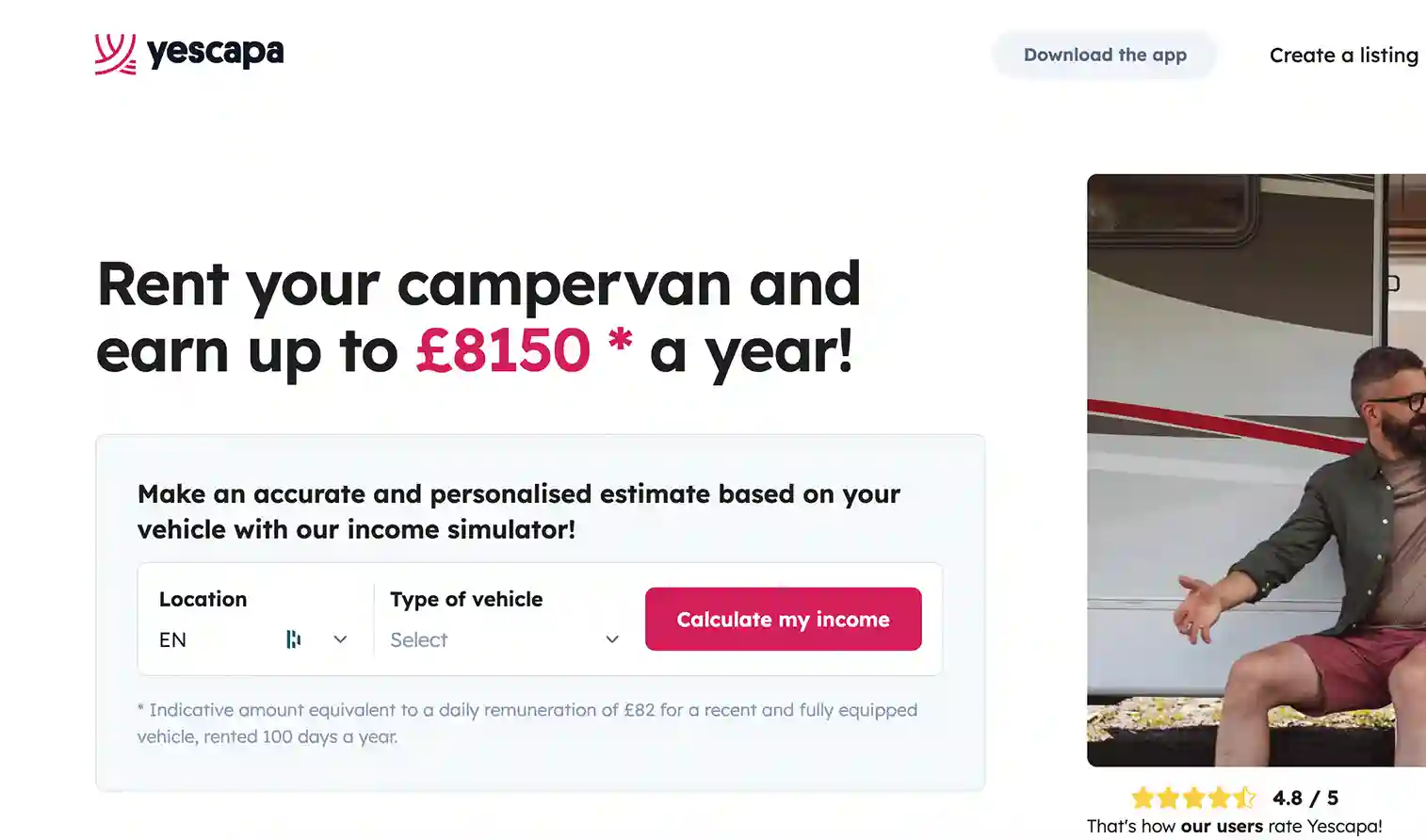
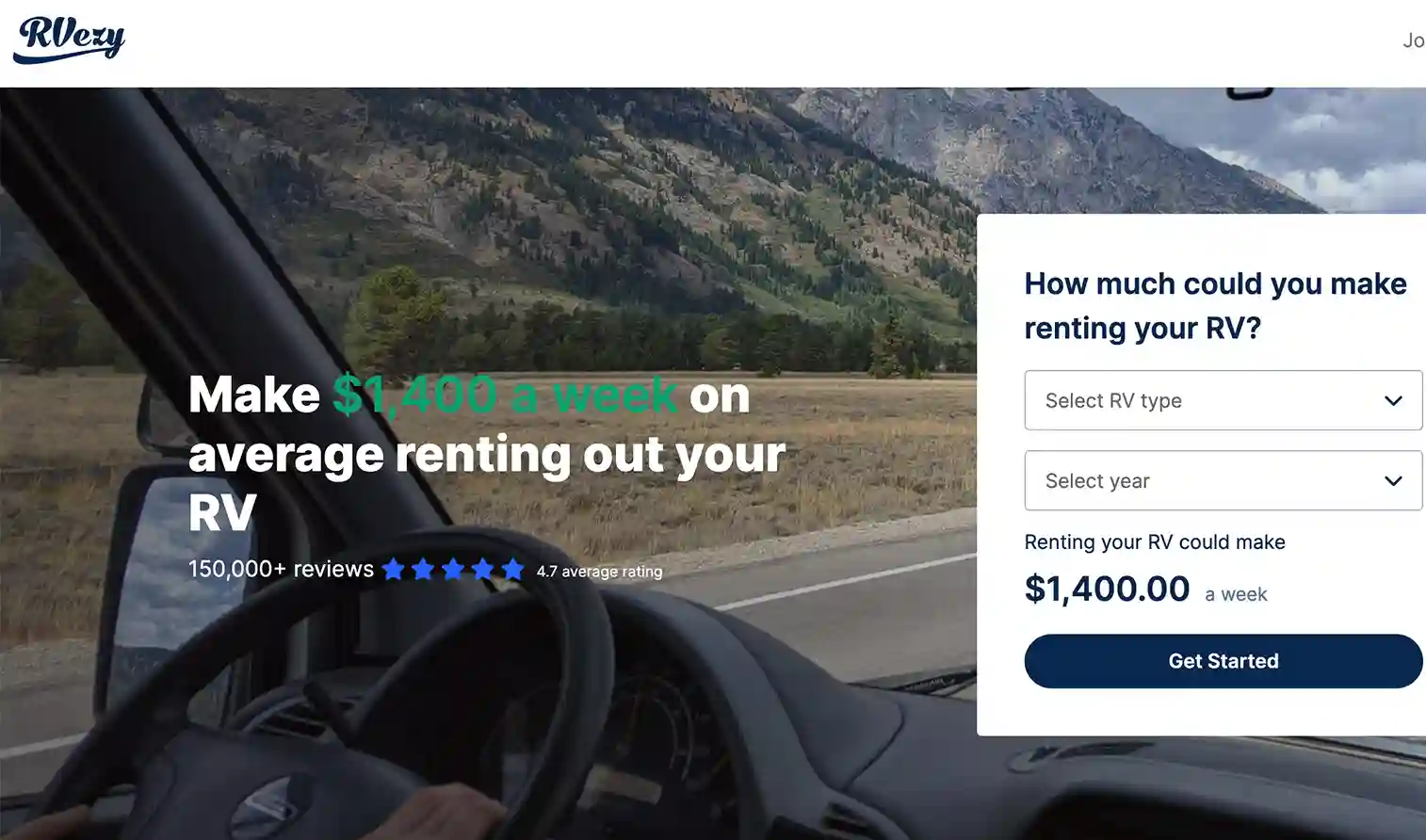
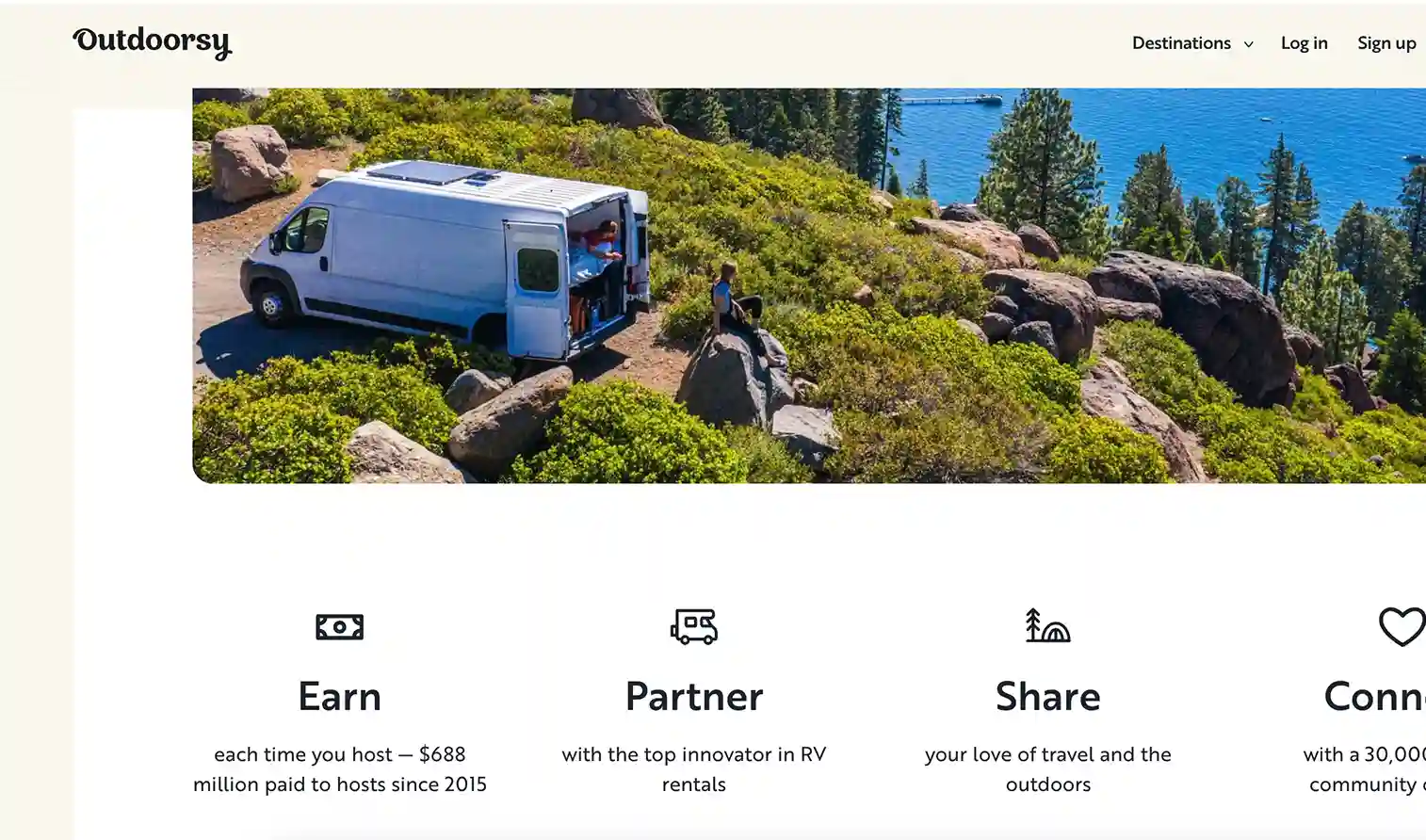
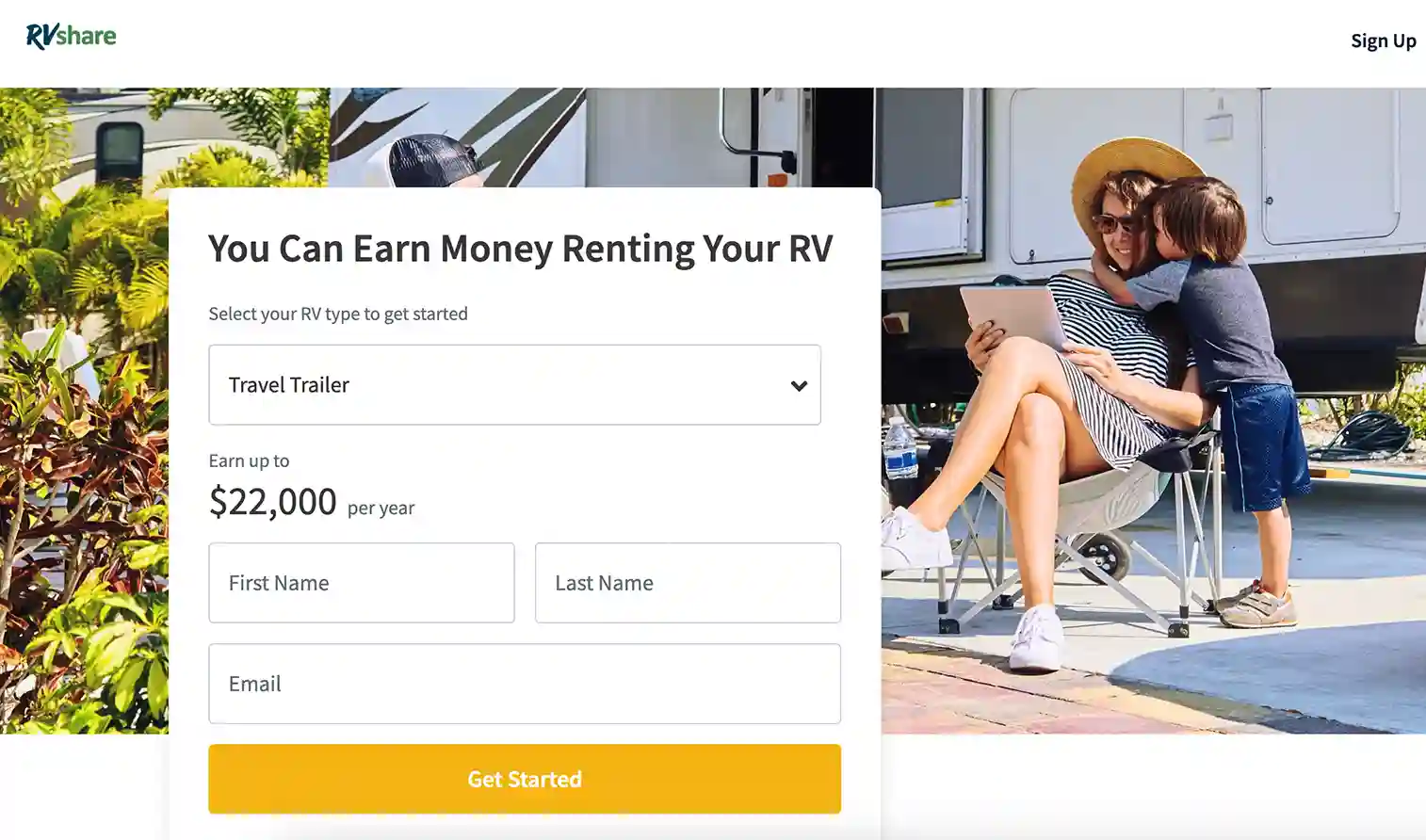
The best site to rent out your RV depends on your specific needs: insurance, ease of use, and services offered. Let’s compare the main platforms.
- Insurance: Ensure that the offered insurance covers all risks and check the details of the deductible.
- Ease of Use: An intuitive interface will save you time when posting your listing and managing inquiries.
- Offered Services: Additional services such as deposit management, concierge service, or roadside assistance can make a significant difference.
(Tip: Take the time to compare multiple listings similar to yours on each platform to assess the competition and adjust your offer.)
Pros and Cons of the Platforms
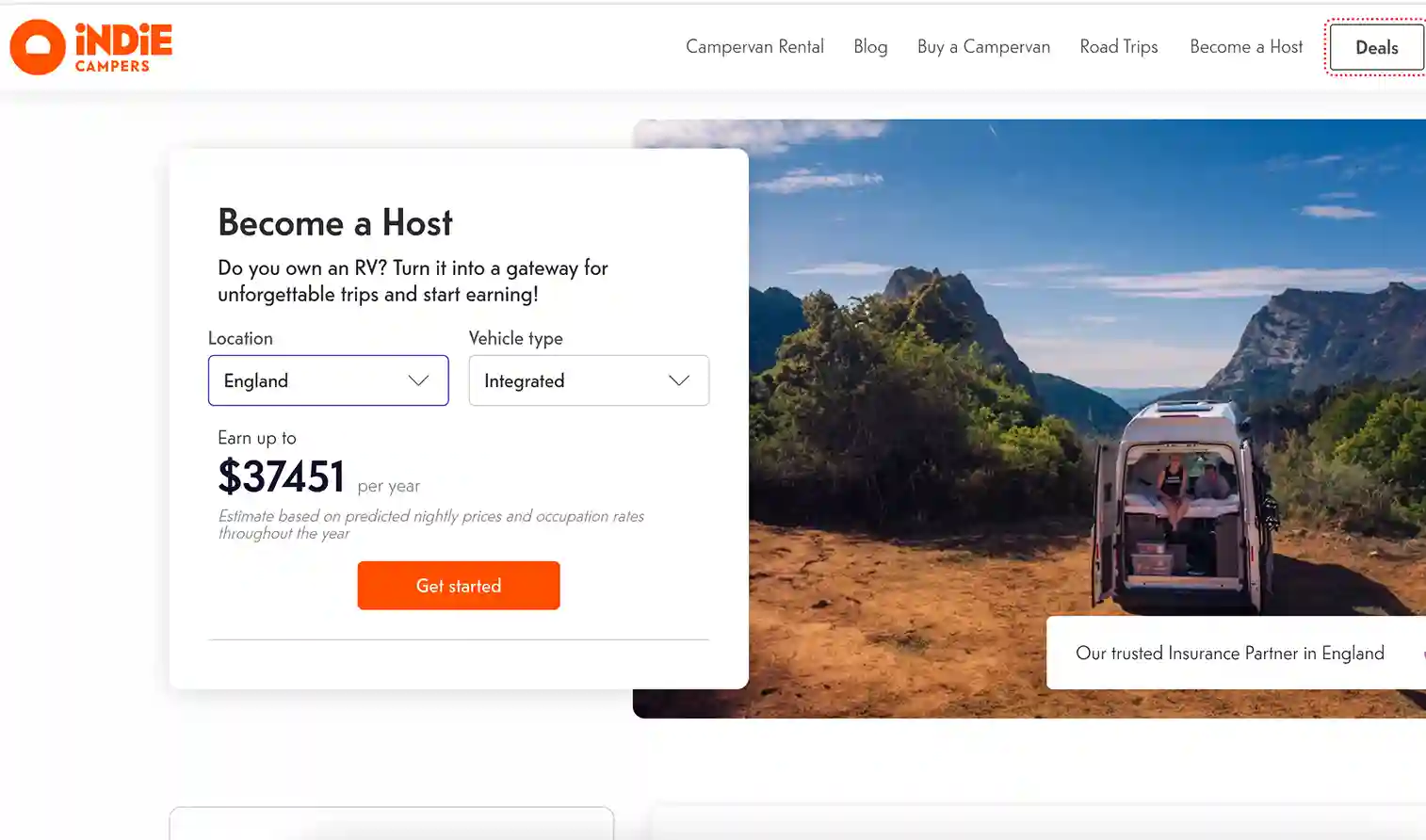
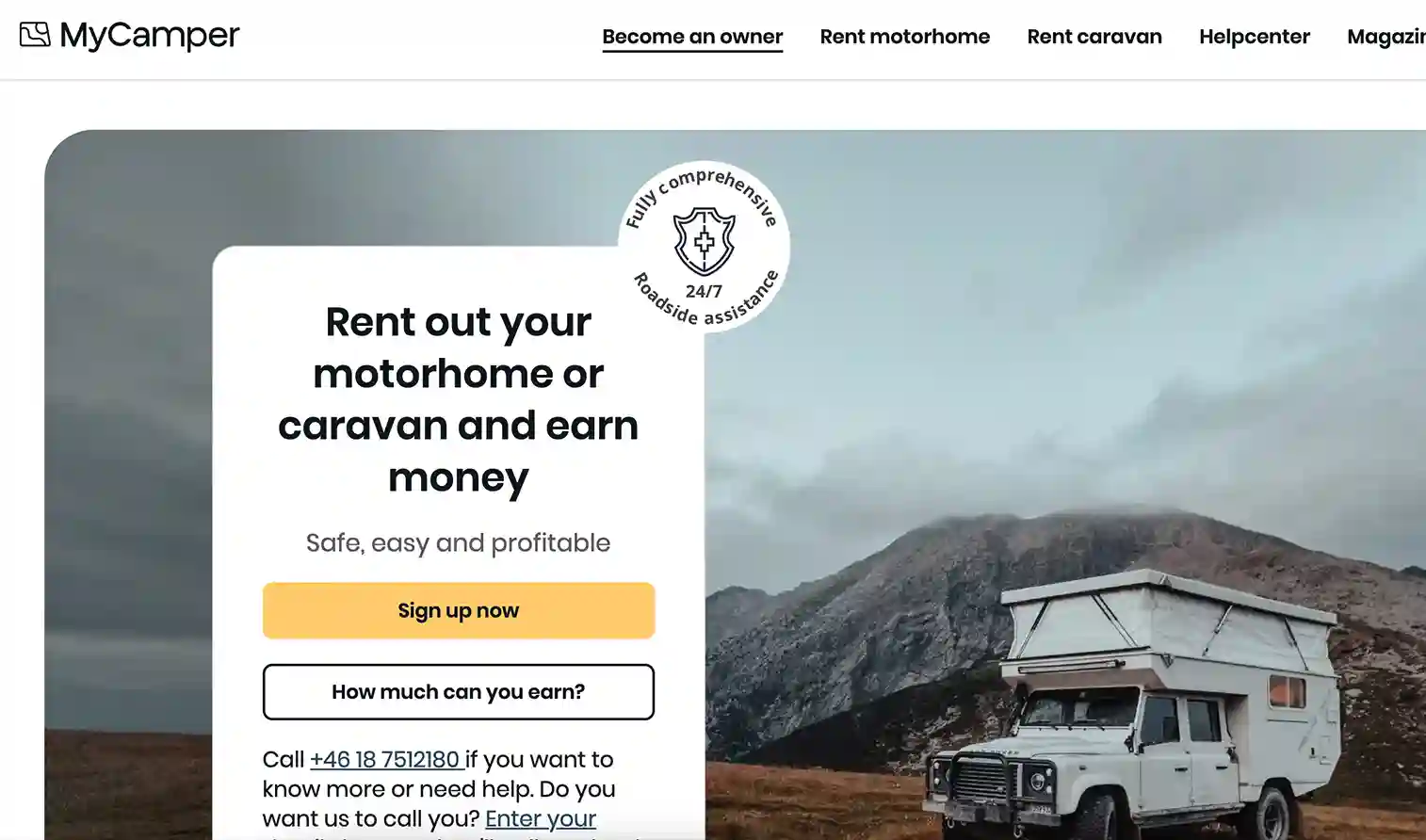
Each RV rental platform has unique advantages: Yescapa excels in Europe with comprehensive insurance and user-friendly features but has higher fees. RVezy offers a wide vehicle range and focuses on customer-first service in North America. Outdoorsy provides extensive support with $1 million insurance and no membership fees, making it ideal for global reach. RVshare is the oldest and largest in the U.S., known for its safety and variety. Indie Campers supports flexible European travel with a broad network, and MyCamper promotes unique experiences in Northern Europe with a strong community focus.
(Advice: Choose the platform that best fits your specific needs and management style.)
Which RVs Are Rented the Most?
The most rented RVs are typically overcabs, low-profiles, A-classes, and converted vans and panel vans. Essentially, except for 4×4 campers, you have a good chance of success. Here’s some info on the different models:
Overcabs are highly sought after for their large sleeping capacity. They often offer bunk beds and a permanent bed above the cab, making them ideal for large families or groups of friends. Next are the low-profiles, which are appreciated for their balance between comfort and reasonable size.
A-classes, though less common than overcabs and low-profiles, attract those seeking maximum comfort and great autonomy while traveling. However, their size can be a drawback for some renters who prefer more compact vehicles.
Converted vans and panel vans are increasingly in demand, particularly for their ease of driving and practicality. Couples and small families particularly appreciate their compact size and ability to go almost anywhere, without sacrificing the necessary comfort for an enjoyable trip. Their minimalist design also appeals to those looking for a simpler travel experience closer to nature.
The capacity, available amenities, and ease of driving are the main factors influencing the popularity of these vehicles. Each of these types of RVs has its own strengths, thus catering to the varied needs of renters.
Is renting out your RV profitable?
UK Perspective: Renting out your RV in the UK can be profitable. According to different websites, you could earn between £300 and £1,200 per week, depending on the type and condition of your vehicle, as well as the season and location. Ensure you have the proper insurance, as standard policies may not cover rentals. Hiring out during peak times can maximize your income, but remember to consider maintenance and insurance costs.
US Perspective: In the US, renting your RV can also be lucrative. You can earn anywhere from $100 to $450 per night, with potential annual earnings reaching up to $50,000 if rented frequently during high-demand periods like holidays and summer. However, factor in maintenance, listing fees, and potential repairs. Proper insurance and clear rental agreements are essential to protect your investment.
Rental frequency is key. The more your RV is available and rented, the higher your income will be. Optimize your listing with high-quality photos and offer competitive rates.
The condition of the vehicle plays an important role. A well-maintained, clean RV will attract more renters. Investing in regular maintenance and upgrades can be beneficial in the long run.
The time of year also influences profitability. The high season, especially summer, is the most lucrative period, with higher demand and rates. Conversely, the low season may see a decrease in rentals and income.
To maximize profitability, balance an attractive rental price with good management of availability. Also, consider the costs of maintenance, insurance, and any commissions from rental platforms. Lastly, you’ll need to declare this income properly, which we’ll cover in the next chapter.
How Do Taxes Apply When Renting Out Your RV?
Renting out your RV generates income that you must declare to the tax authorities. In the US, rental income from your RV is treated similarly to rental income from real estate, with specific tax implications to consider.
To declare your rental income, include it on your annual income tax return. Rental income is reported on Schedule E (Form 1040), which is used to report income or loss from rental real estate, royalties, partnerships, S corporations, estates, trusts, and residual interests in REMICs.
You can take advantage of certain deductions and allowances. You can deduct expenses directly related to renting your RV, such as:
- Maintenance costs
- Insurance premiums
- Loan interest
- Depreciation
- Advertising
- Cleaning and maintenance
- Commissions paid to rental platforms
- Storage fees
Keep all receipts for your expenses so you can present them in case of a tax audit, just as you would with renting a property.
Renting Out Your RV: Reviews and Testimonials
Since we haven’t yet tried a service where we rent out our RV, we looked for reviews from RV owners who have done so. These reviews vary, but most agree that the experience can be very positive. Many mention appreciable additional income, which helps cover maintenance and insurance costs. For example, Sophie, who owns a converted van, says that rental income allowed her to finance new equipment.
However, some have had less pleasant experiences. Paul, an overcab RV owner, recounts a rental where the vehicle suffered minor but costly damage. Fortunately, the platform’s insurance covered the repairs, but the experience was stressful.
In general, users appreciate rental platforms like Yescapa and Wikicampers for their responsive customer service and integrated insurance, which simplifies problem management. Testimonials indicate that with good preparation and careful selection of renters, renting out your RV can be a profitable and rewarding adventure.
(Tip: Thoroughly explaining the vehicle’s operation to renters can prevent many issues.)

I'm Xavier
I write up what we learn on the road, from the gear we wear out to the paperwork that lets us live off it. Without dressing it up.
Ce que vous souhaitez recevoir :