


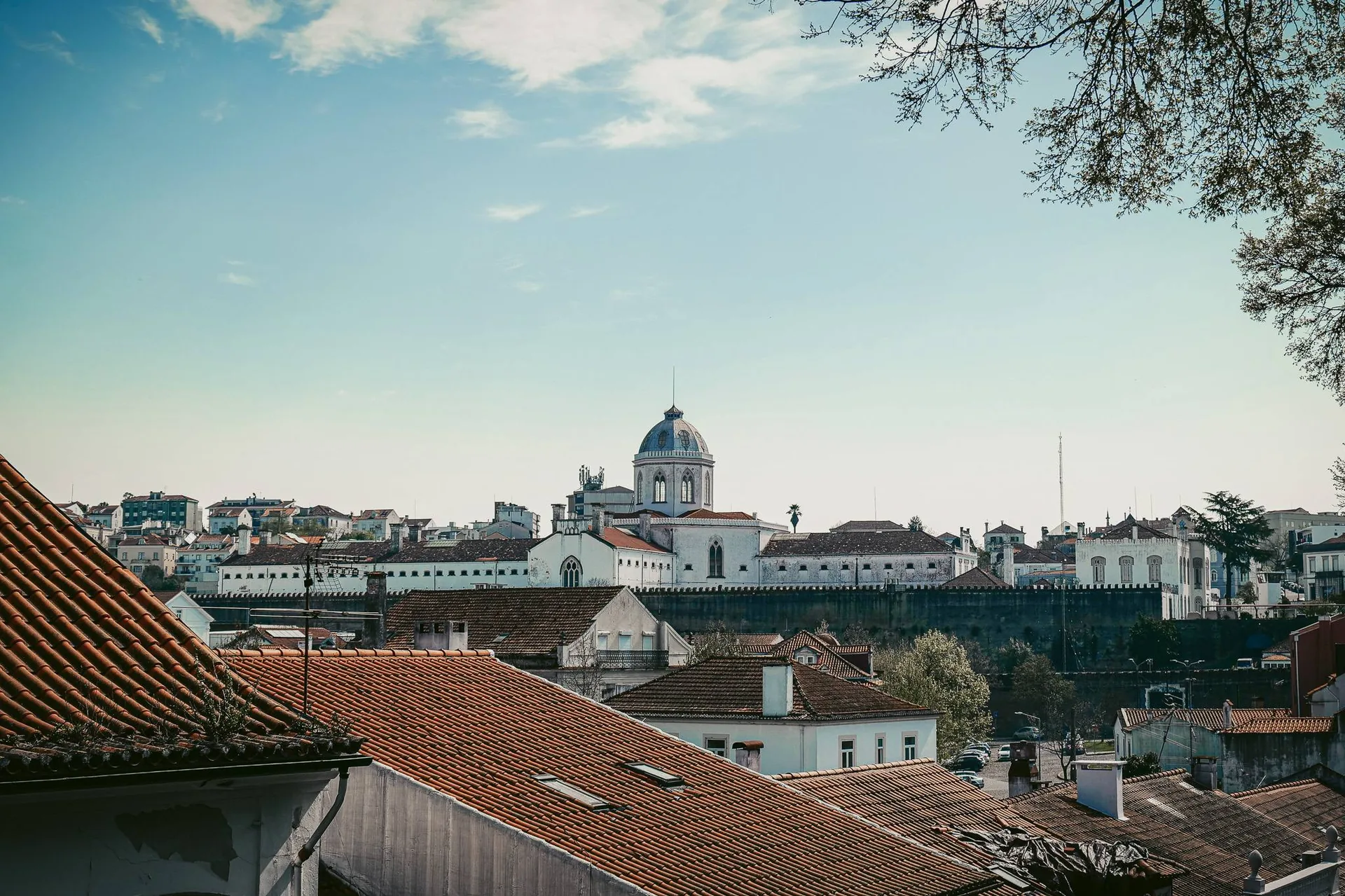
After the tranquility of the ocean, on our very first descent to the south of Portugal, we headed to a city that Caroline had wanted to see for a long time: Coimbra. It was winter, we had just arrived from the Atlantic coast, and I remember that strange feeling when parking the camper van, that of entering the epicenter of culture of the country. Except that Coimbra, I have never managed to pronounce it correctly. In my mouth, it becomes Queen bra, and it stayed that way throughout the trip, much to Caroline’s delight.
What we understood in less than an hour, once settled: here, it goes up and down non-stop. Stairs, sloping alleys, the old town clinging to its hill, the university at the top and the Baixa at the bottom. By the end of the day, your calves are on fire and, let’s face it, a butt that has worked hard. Hence my great theory, the one I repeated for two days: they should have called it Queen legs instead of Queen bra. The legs, in Coimbra, you work them continuously; the arms, never. We leave here with a nice butt, not necessarily with a high IQ, but a nice butt is already something.
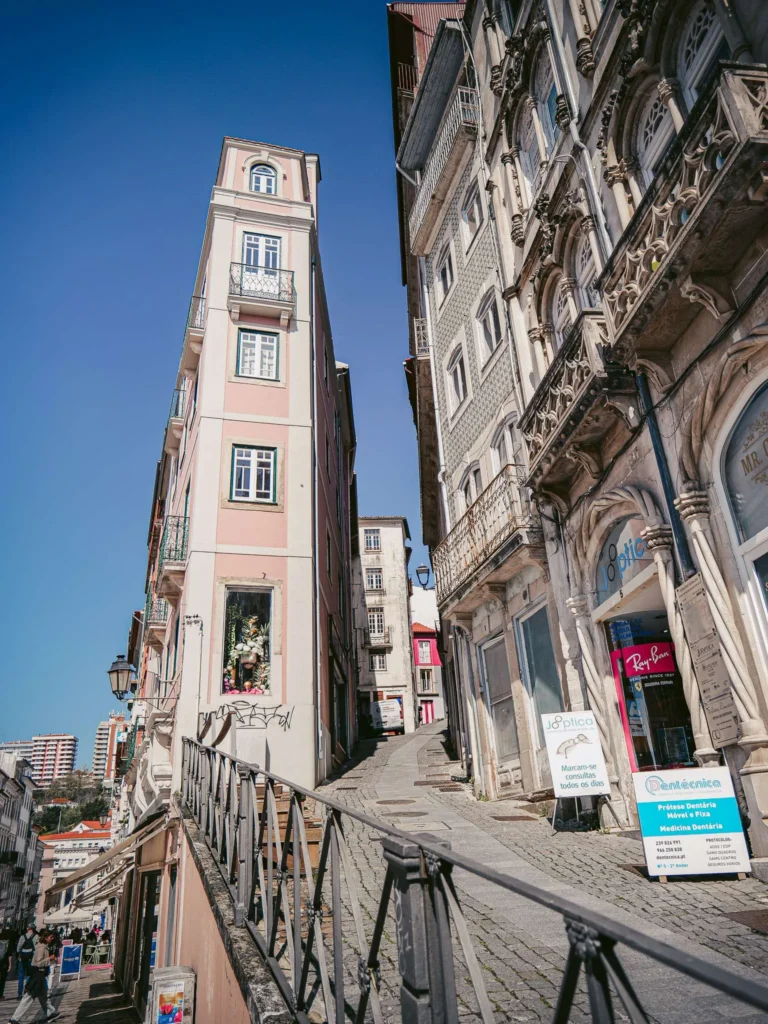
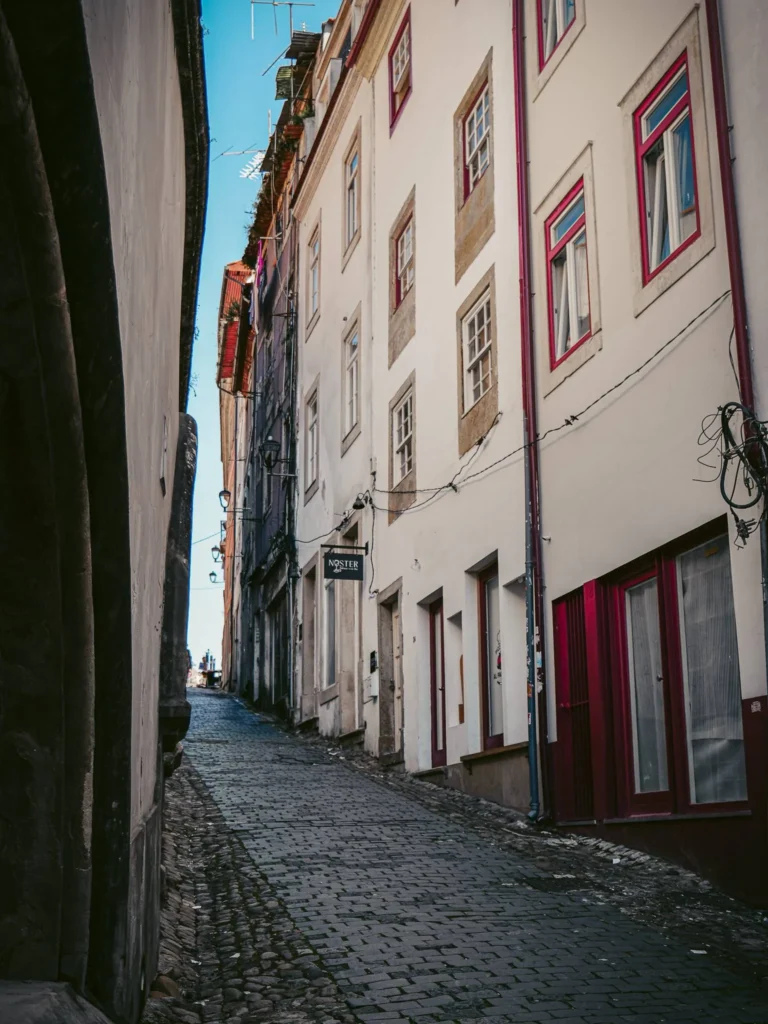
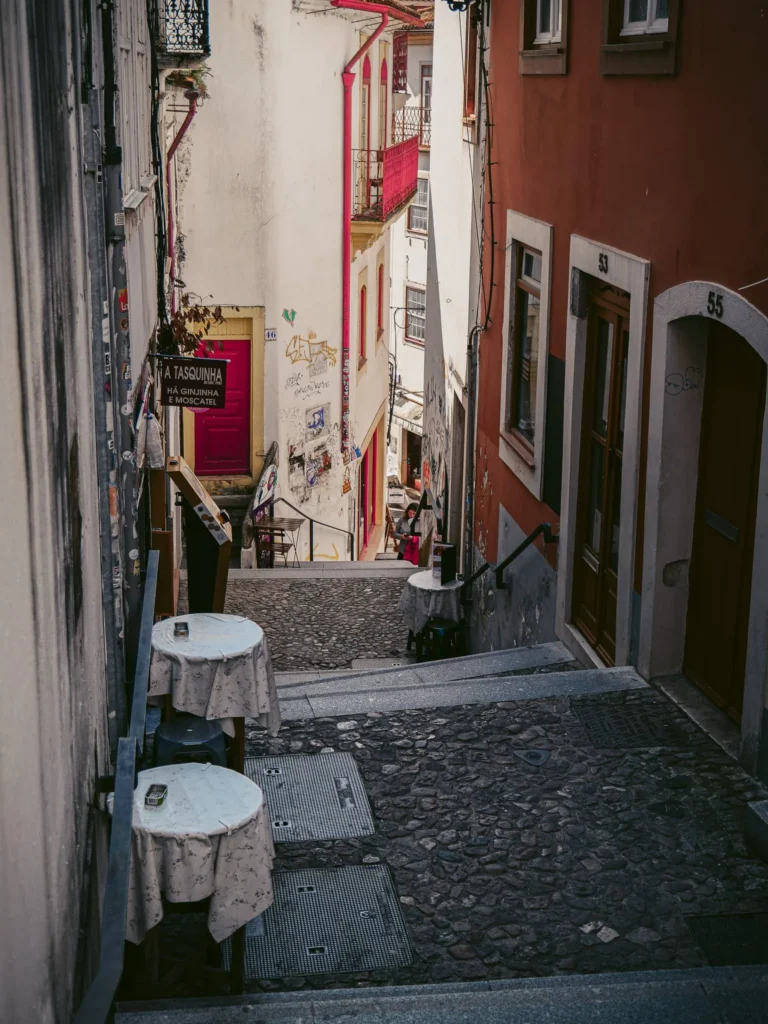
Another thing we noticed, stronger here than elsewhere, and which eventually became our little common thread: we do not visit at all the same way, Caroline and I. She stops for a flower, the light filtering through a leaf, the wind in the grass; I look at the elevation, the height of a bamboo, the sporty side of the thing. In front of a restaurant, she finds it pretty so it must be good; I remind her that pretty does not mean good (and believe me, experience has often proven us right). Two perspectives mean debate, and in Coimbra, we debated.
The video of our first descent to Coimbra
We filmed this first passage, in the middle of winter. The video sets the tone better than a long speech: the high city, the university, the gardens, the slippery alleys, and that feeling of walking in a museum city under the open sky. Watch it before reading on, it sets the scene.
Plan your trip: Portugal
Compare rental companies and book at the best price.
Booked on Trip.com — partner link.
Provided by Holafly, our partner.
5% off with code LAPLANETEDECARO
Booked on Holafly — partner link.
Coimbra, the former capital that goes up and down
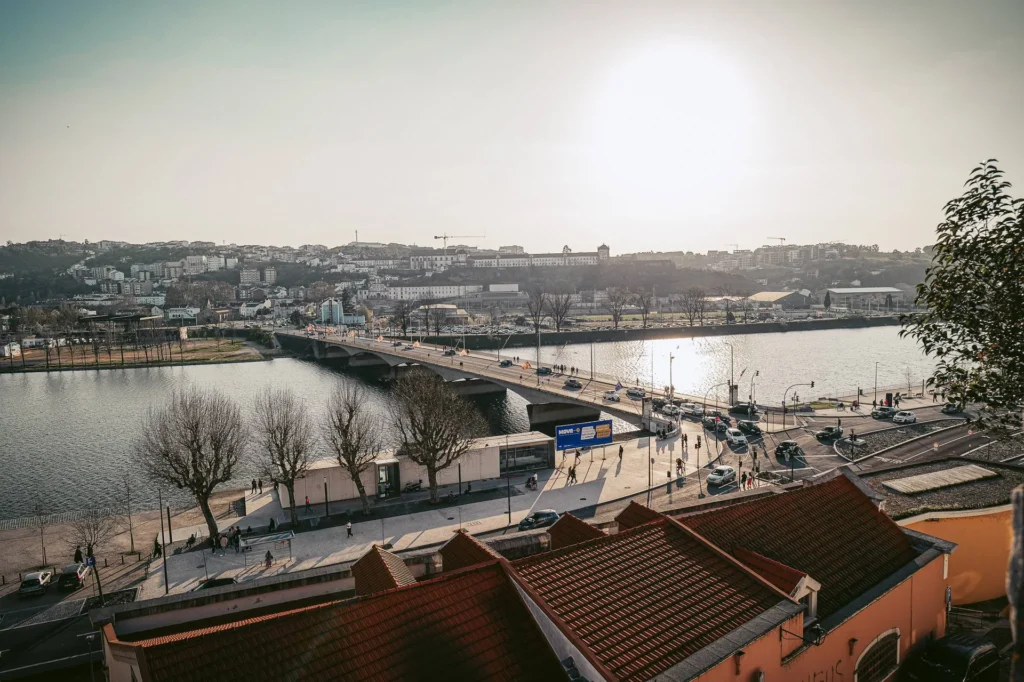
A little history point, because it completely changes the way to look at the city. Coimbra was the capital of the kingdom from the 12th to the 13th century, before Lisbon eventually took the title. It sits in the center of the country, between Lisbon and Porto, perched on the Mondego River, and its university is the oldest in Portugal. One might say that the past seeps from the walls: the weathered facades, the stairs worn by the centuries, the old university perched at the top. You do not stroll in Coimbra, you go back in time while catching your breath.
Geographically, we are right in the Center of Portugal, a mild and rather green region, with a Mediterranean climate: hot and dry summers, mild and slightly humid winters, we confirm, we had wet shoes to prove it. It is also an excellent base camp for exploring, as the coast is not far away. By the way, we continued with Aveiro right after, on the same road trip, and the contrast between the perched university town and the little lagoon Venice is worth the detour.
How to get to Coimbra
Whether you arrive from the north or the south, Coimbra is easy to access. Here are the three options, plane, train, and camper van, along with our thoughts from having tested them.
When to visit Coimbra (and the weather)
Let’s be honest: the ideal weather is from June to September, when the sun shines and the rain is forgotten. That said, our first visit was in the middle of winter, and the city remains beautiful in that low light, just a bit cooler, sometimes humid, and especially much quieter on the tourist side. If you can handle a light sweater and some puddles, winter has a real charm here. The table below gives you the averages month by month to choose wisely.
Coimbra : a glimpse of the weather
5-day forecast
For spontaneous travelers ready to leave tomorrow, here's what to expect this week.
Monthly climate
Between us, we love sunshine and warmth. But not everyone shares our preferences, so here's the climate data to plan according to your wishes.
| Month | Min temp | Max temp | Rain | Weather | Rating |
|---|---|---|---|---|---|
| October | 14°C | 24°C | 114 mm | 🌦️ | |
| November | 9°C | 17°C | 224 mm | 🌧️ | |
| December | 7°C | 14°C | 182 mm | 🌧️ | |
| January | 7°C | 13°C | 328 mm | 🌧️ | |
| February | 8°C | 16°C | 376 mm | 🌧️ | |
| March | 9°C | 19°C | 69 mm | 🌦️ | |
| April | 10°C | 23°C | 36 mm | ☀️ | |
| May | 12°C | 23°C | 67 mm | 🌦️ | |
| June | 15°C | 28°C | 18 mm | ☀️ | |
| July | 17°C | 30°C | 11 mm | ☀️ | |
| August | 17°C | 29°C | 61 mm | ☀️ | |
| September | 17°C | 31°C | 14 mm | ☀️ |
Where to sleep in a camper van in Coimbra: parking in the city or camping in the heights
So here, we won’t lie to you: finding a free and quiet spot in a city like this is a real headache. The first time, in winter, we slept two nights in a bus parking lot, not far from Portugal dos Pequenitos (Rua Feitoria dos Linhos, which we find on the map below). Free, convenient, but frankly not restful: it honks, it maneuvers, it’s alive all night. We slept with one eye open, like a guard, thinking it was that or driving around for hours.
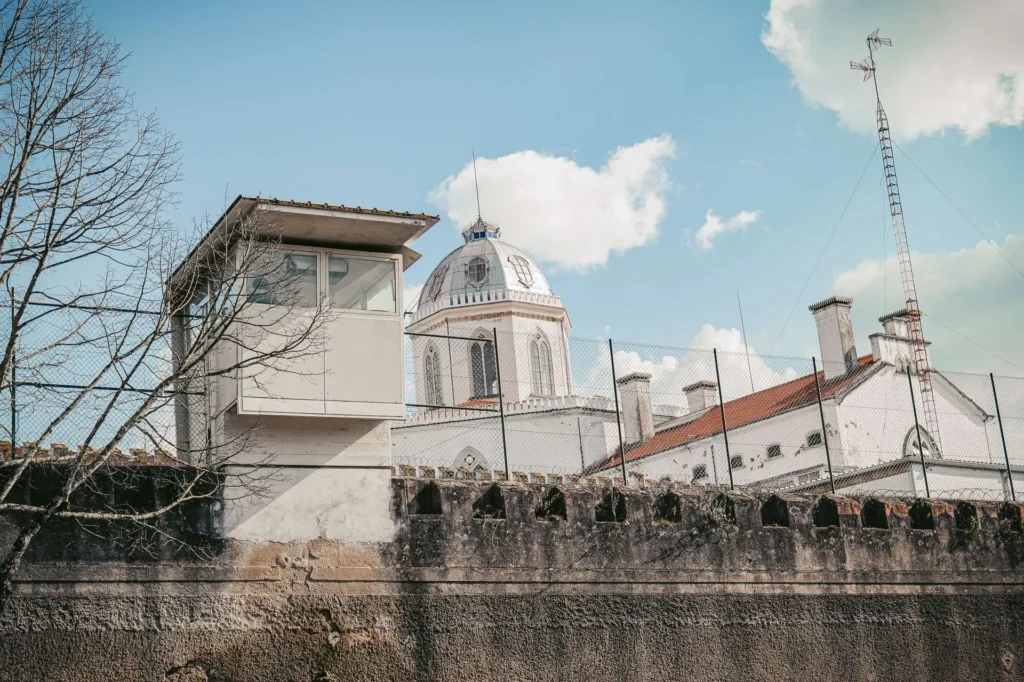
And then there’s this detail we discovered while wandering, which blew us away: there is a prison right in the center, about a hundred meters from the faculties, complete with barbed wire and watchtowers. You go from amphitheaters filled with students to the prison walls in just a few steps. Seeing the two worlds stuck together, right in the historical heart, has something surreal about it, and it sums up well this city that stacks eras and uses without complex.
The second time, since we were traveling with Vasco, our cat, we changed strategy and opted for a real campsite: the Parque de Campismo Municipal de Coimbra (Ar Puro Camping), perched in the heights, on the side of Rua Alto do Areeiro. Further from the center, so we had to take an Uber to get back down to the city, but what peace. The location was great, in the greenery, in the hills, and above all we could leave Vasco peacefully in the camper while keeping an eye on him via the camera (a little regular check of Vasco’s camera from the phone, a reflex of worried parents). The compromise is simple: in the city, it’s noisy, complicated, and free; in the heights, it’s a few euros and a trip, for a lot of serenity, especially when a cat is watching the shop.
On the map below, we have marked the parking lots, the spots to park the camper, and our favorite restaurants. Click on each marker for the address and practical information.
Coimbra : Places we can tell you about
Here's our selection of places in Coimbra: spots we've visited that might be useful to you. Use the list view to discover each address in detail, and export everything to add to Google Maps or your favorite GPS app.
| Place | Address | Download |
|---|---|---|
| Parking Rua Feitoria dos Linhos | 23 Rua Feitoria dos Linhos, Coimbra | |
| Parking Rua António Gonçalves | Rua António Gonçalves, Coimbra | |
| Parking Santa Clara | 5 Rua José Pompeu Aroso, Santa Clara, Coimbra |
| Place | Address | Download |
|---|---|---|
| João dos Leitões | Estrada dos Casais 14, 3045-201 Coimbra | |
| Fangas Grocery Bar | Rua Fernandes Tomás 45, 3000-168 Coimbra | |
| Maria's Kitchen | Rua do Corpo de Deus 6, 3000-122 Coimbra | |
| Luna | Praça da República 18, 3000-343 Coimbra | |
| Arcadas (Quinta das Lágrimas) | Rua António Augusto Gonçalves, 3041-901 Coimbra |
| Place | Address | Download |
|---|---|---|
| The University of Coimbra, the second time was the charm (black capes and the theory of the ass) | Paço das Escolas, 3004-531 Coimbra | |
| Joanina Library | Largo da Porta Férrea, 3000-447 Coimbra | |
| Santa Clara-a-Velha Monastery | Rua das Parreiras, 3040-266 Coimbra | |
| The Sé Velha of Coimbra, or when Xavier plays estate agent | Largo da Sé Velha, 3000-306 Coimbra | |
| The Santa Cruz Monastery, the hidden pantheon of the first kings of Portugal | Praça 8 de Maio, 3001-300 Coimbra |
| Place | Address | Download |
|---|---|---|
| The botanical garden of Coimbra, or as Xavier says, the "I can't remember the name | Calçada Martim de Freitas, 3000-456 Coimbra |
| Place | Address | Download |
|---|---|---|
| Municipal Camping of Coimbra (Ar Puro) | Rua da Escola / R. Alto do Areeiro, 3030-011 Coimbra |
| Place | Address | Download |
|---|---|---|
| Portugal dos Pequenitos | Rossio de Santa Clara, 3040-256 Coimbra |

We're Caroline and Xavier
We drive to a place, stay long enough to get it wrong a few times, then write the guide we wish we'd had: parking, timing, what's worth the detour.
Ce que vous souhaitez recevoir :
The University of Coimbra: black capes, Joanina, and the oldest university in the country
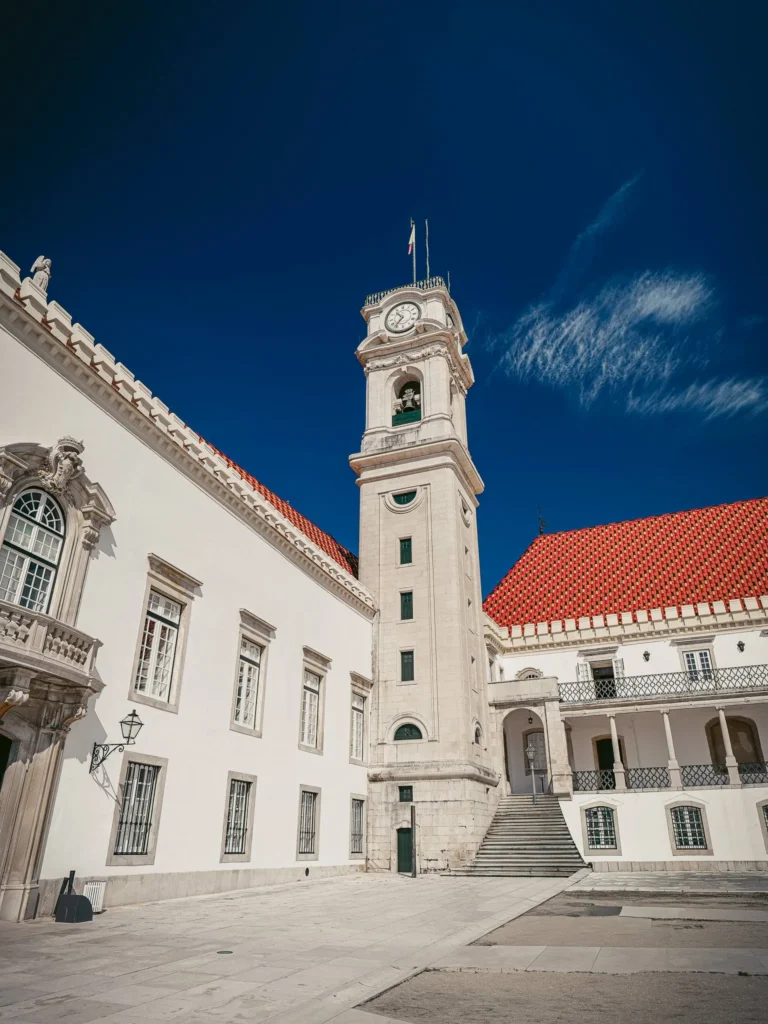
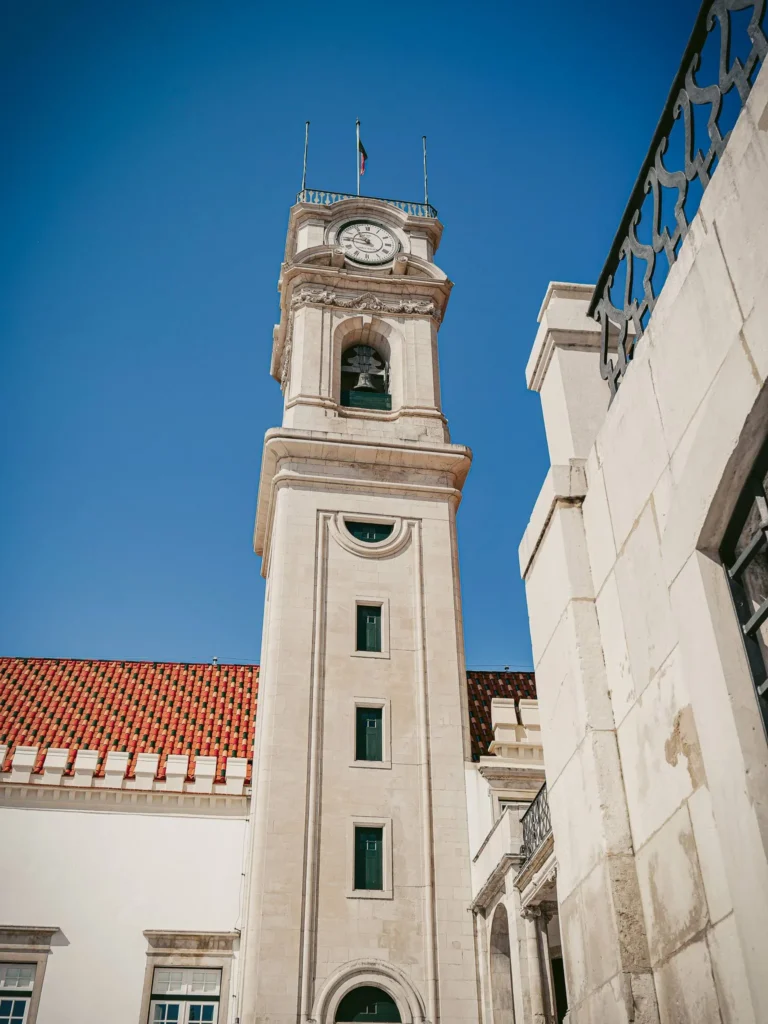
This is the highlight of the city, without a doubt. The University of Coimbra was founded in 1290, permanently established here in 1537, and classified as a UNESCO World Heritage site in 2013. It sits at the very top of the hill, and from the main square, the Paço das Escolas, you can go from the medical school to the law school and then to the arts in less than 200 meters. For a historical campus, this concentration is somewhat dizzying: centuries of knowledge packed into a few hundred square meters.
A little confession that still makes me grumble: the most beautiful building is on the law school side, not the medical side, and for me, that’s a bit upside down, but hey, I don’t make the rules. Another important thing to know, from our own experience: during our first visit, in winter, the old part, the most beautiful, was under scaffolding, undergoing renovation. We didn’t get to see the spectacle, a bit frustrating. The second time, everything was clear, and honestly, it was stunning. So it’s worth checking in advance if the setting is open.
But what struck me the most were the black capes of the students. The traje académico, this long dark cape that falls to the ankles, is still worn, especially during significant moments of student life, and it is said that at graduation they sing traditional songs. It is also the outfit for the Coimbra fado, sung at night, almost in the dark, by men in capes on the steps of monuments. Seeing such a living tradition, between the old stones and the frankly ugly blocks of the outskirts, I find it beautiful. It gives a unique character to the place.
Inside the enclosure hides a treasure: the Biblioteca Joanina, the baroque library commissioned by King John V and built between 1717 and 1728. We were lucky enough to enter, and it’s an amazing thing, filled with magic: lacquered shelves, gilding, painted ceilings, a room that keeps real secrets. An improbable detail that we loved: a colony of bats lives there and protects the books from insects, so they cover the tables with leather every evening. The only downside is that it is forbidden to film or take pictures inside, so those images, we keep them in our memories, and you’ll have to take our word for it.
A practical point that can save the visit: the ticket for the old university and the library is purchased outside, before entering. Keep this in mind beforehand, otherwise, you’ll be going in circles. Experience: Caroline dragged me all over the university city to find the ticket office, a false route, a backtrack, and me grumbling while climbing stairs (more stairs), before we finally stumbled upon it. In short, get the ticket first, thank us later.
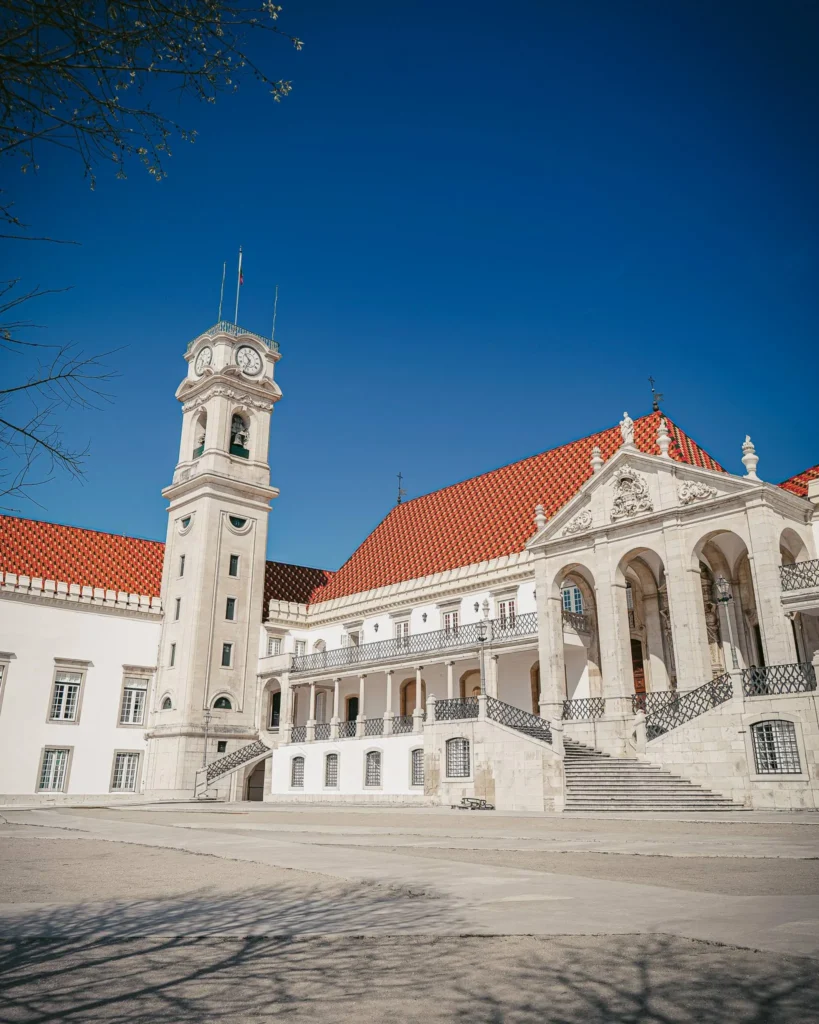
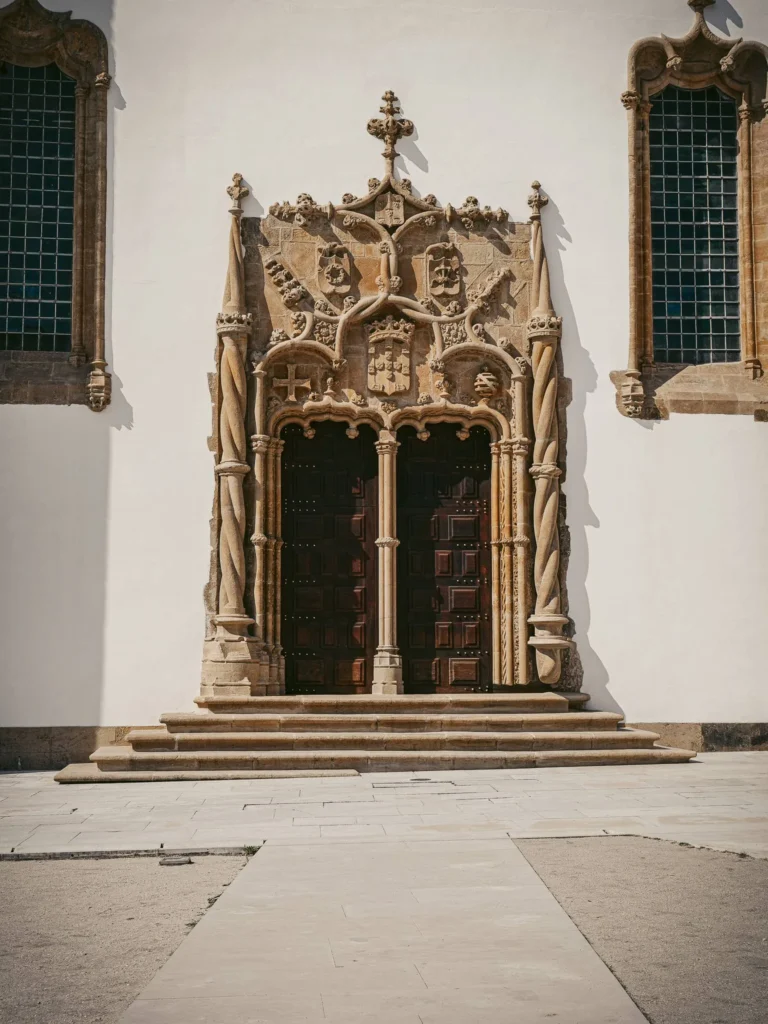
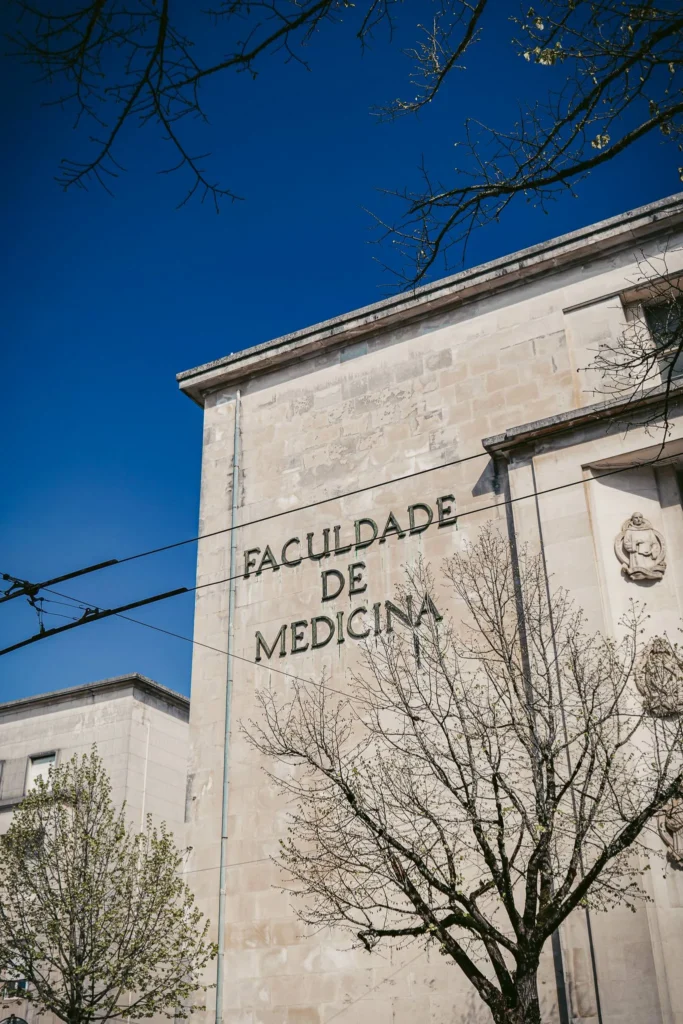
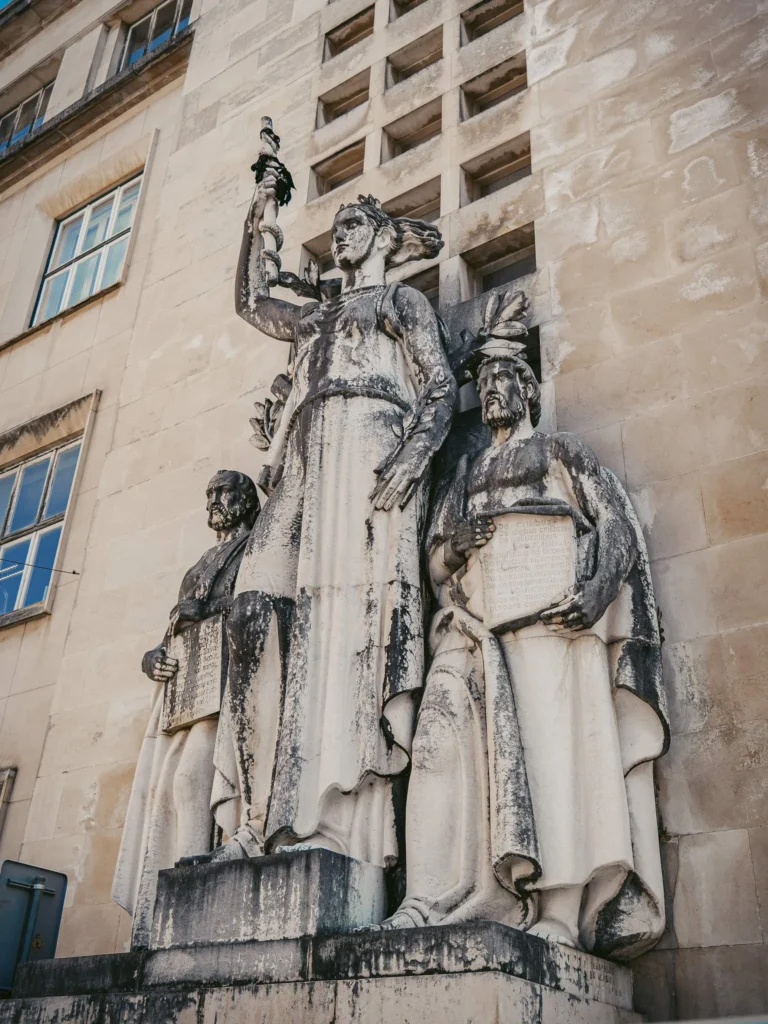
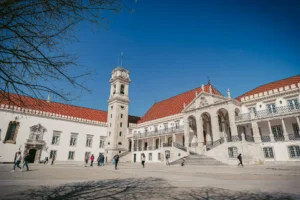
The University of Coimbra, the second time was the charm (black capes and the theory of the ass)
The oldest university in Portugal (1290), UNESCO listed. Black capes, Biblioteca Joanina, Paço das Escolas, and a view of the Mondego. Our opinion and our photos.
Read moreThe botanical garden (and the famous “I can’t remember the name”)
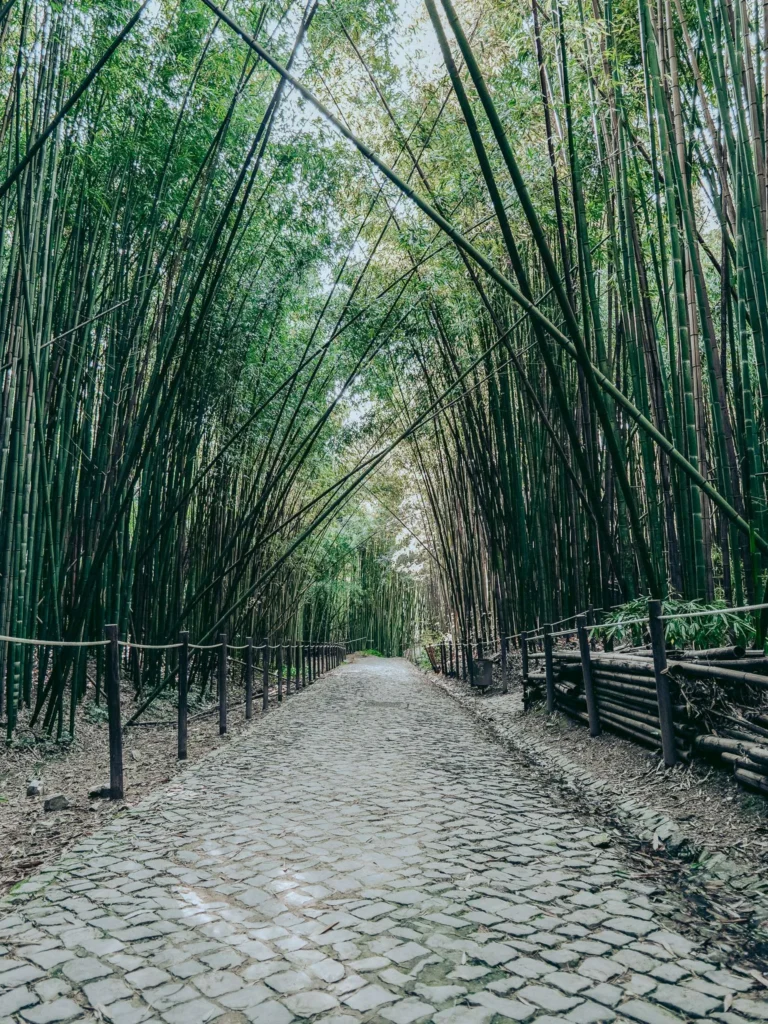
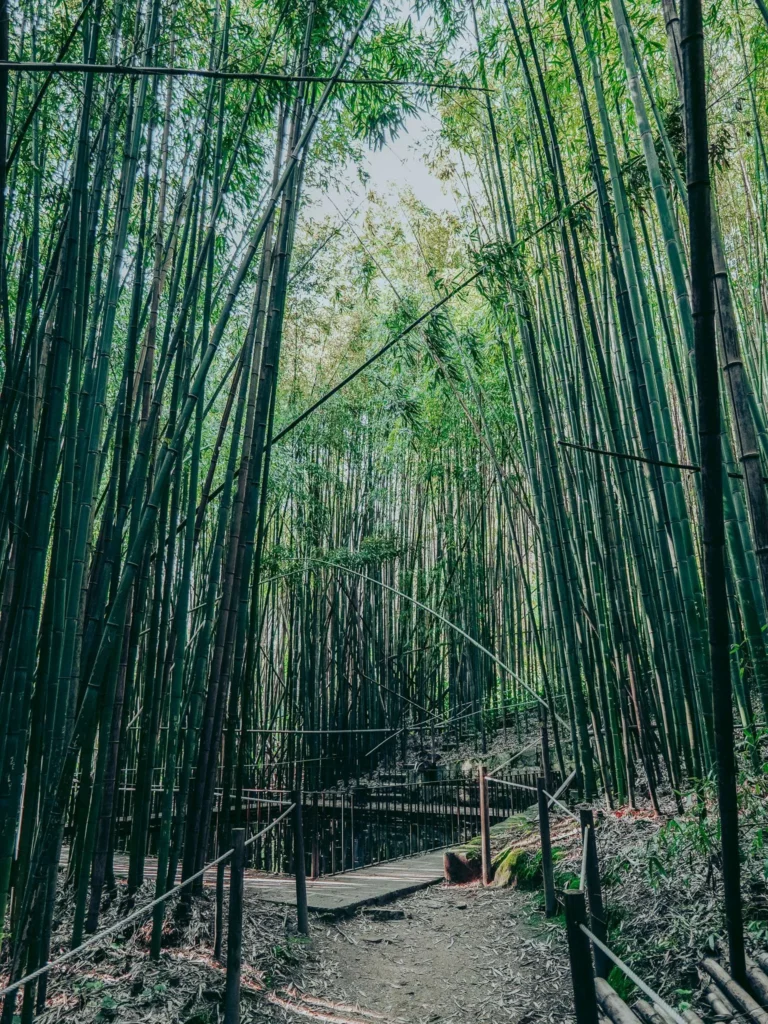
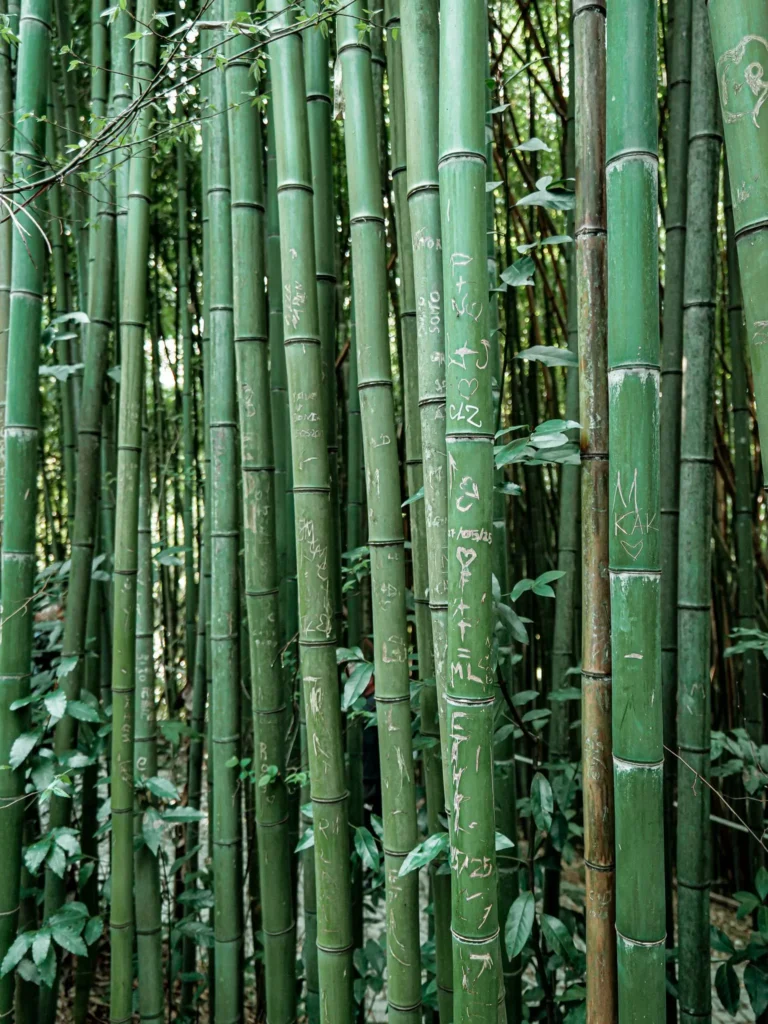
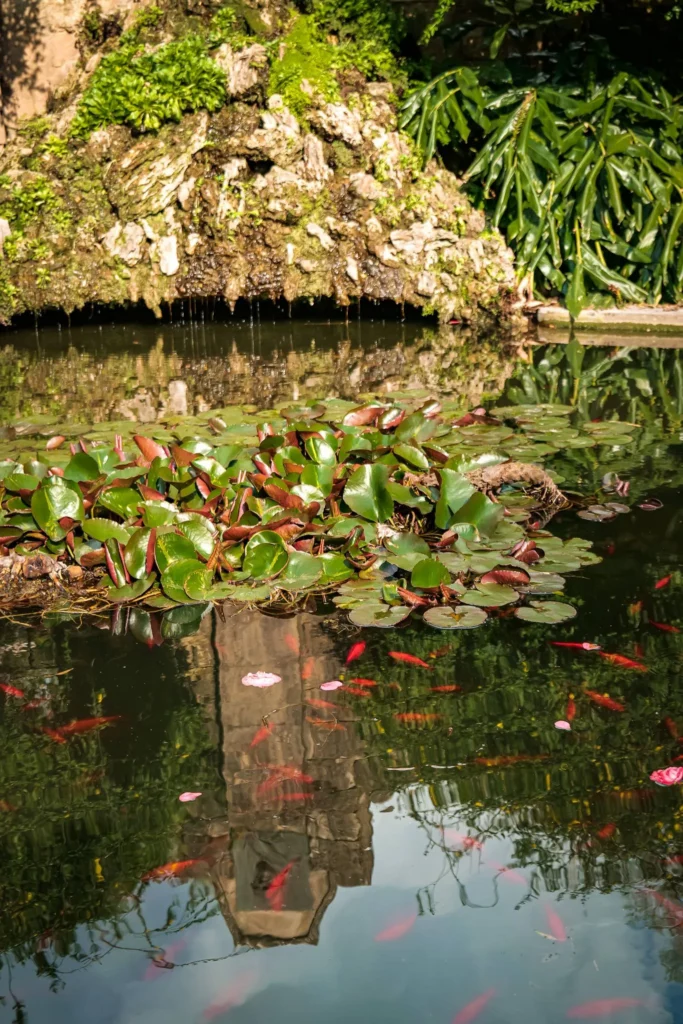
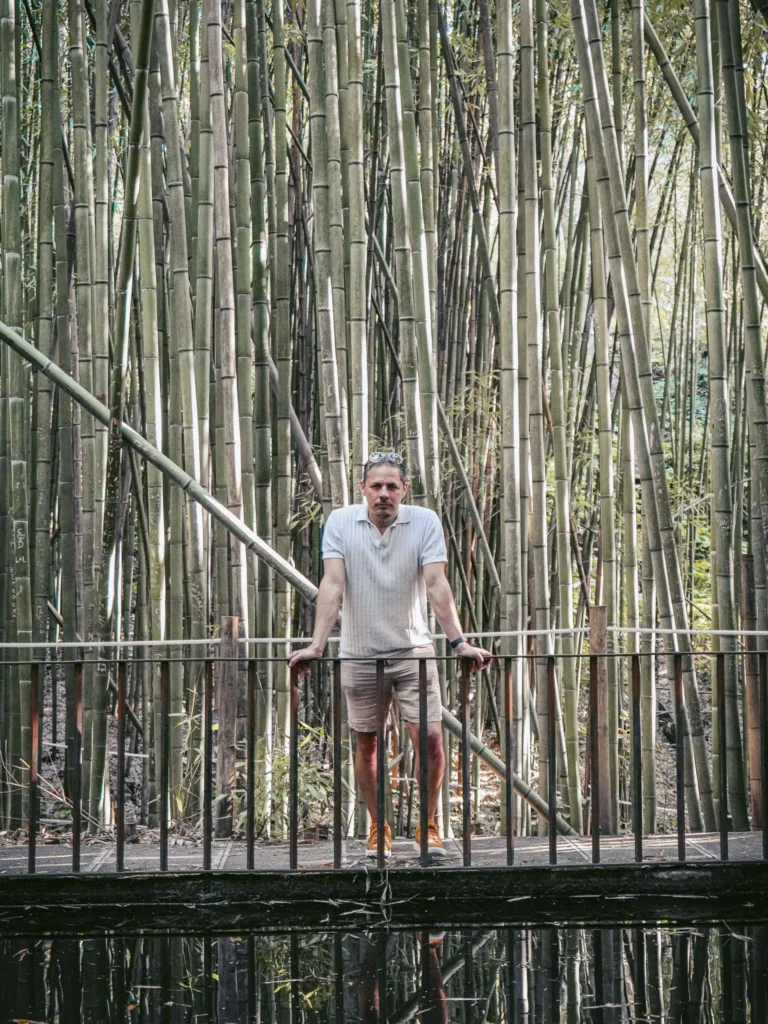
Another big highlight of our days: the Jardim Botânico da Universidade de Coimbra. Its name, of course, I have never managed to remember, so I renamed it “I can’t remember the name”, pronounced with a Portuguese accent and all stuck together, much to Caroline’s despair. The garden descends in terraces before opening up to a beautiful bamboo forest, where we lingered for a good while. True to the city, it goes up and down: the 10,000 steps are done before noon, and our famous butt theory comes back into play.
This is also where our common thread worked best. Caroline was raving about the flowers, the light filtering through the leaves, the camellias, the softness of the place; I was glued to my big bamboo and the elevation, mentally measuring the slope percentage. Two visits to the same garden, two completely different films, and another debate added to the count. That’s what traveling as a couple is about.
What I really liked, beyond the walk, is the history of the place. Created in 1772 under the Marquis of Pombal, this garden served scientists to study the plants that Portuguese explorers brought back from their travels. Some had major medical uses, including quinine, which is the origin of malaria treatment (much more useful than roses, when you think about it). Squirrels were introduced and adapted so well that they are now part of the decor. The greenhouse, the Estufa Tropical, was closed on the day of our visit, so we keep it in mind for next time.
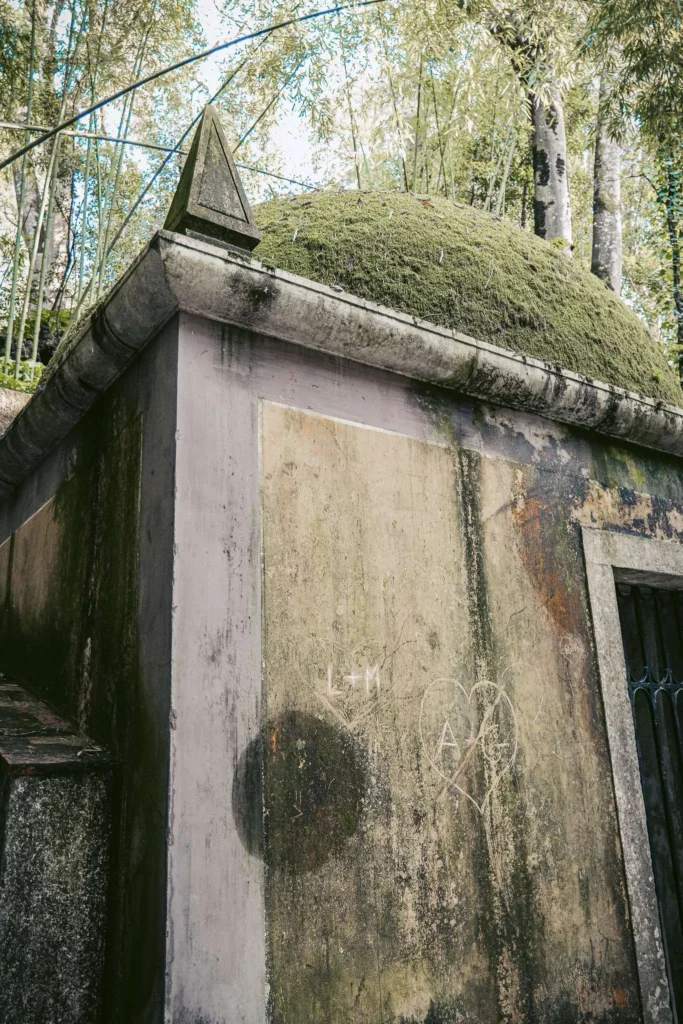
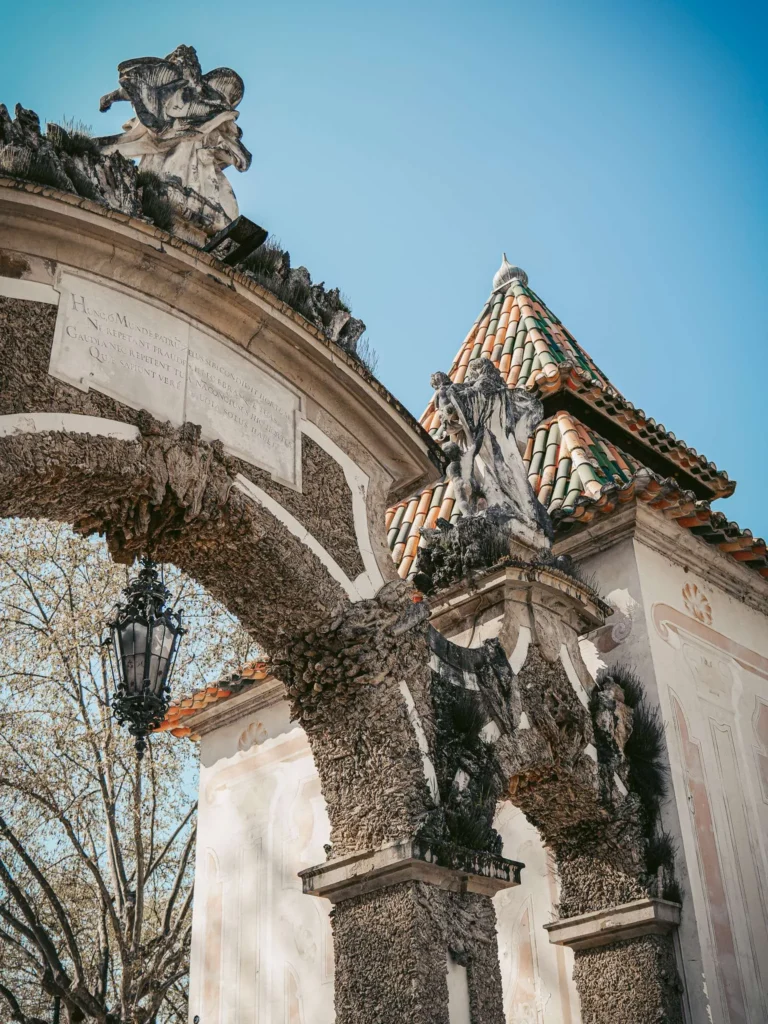
A word for the curious: during our first visit, we took a little digestive walk in another garden, the Sereia (the Jardim da Sereia, or Parque de Santa Cruz), which should not be confused with the botanical one. Baroque, created in 1725 by the monks of Santa Cruz who were looking for a quiet spot outside the walls of their convent, it opens with a monumental stone gate, the Portão dos Arcos, and owes its nickname to its fountain adorned with a triton and a mermaid. Two gardens, two atmospheres, and quite a few stairs in both, because you can never escape them.
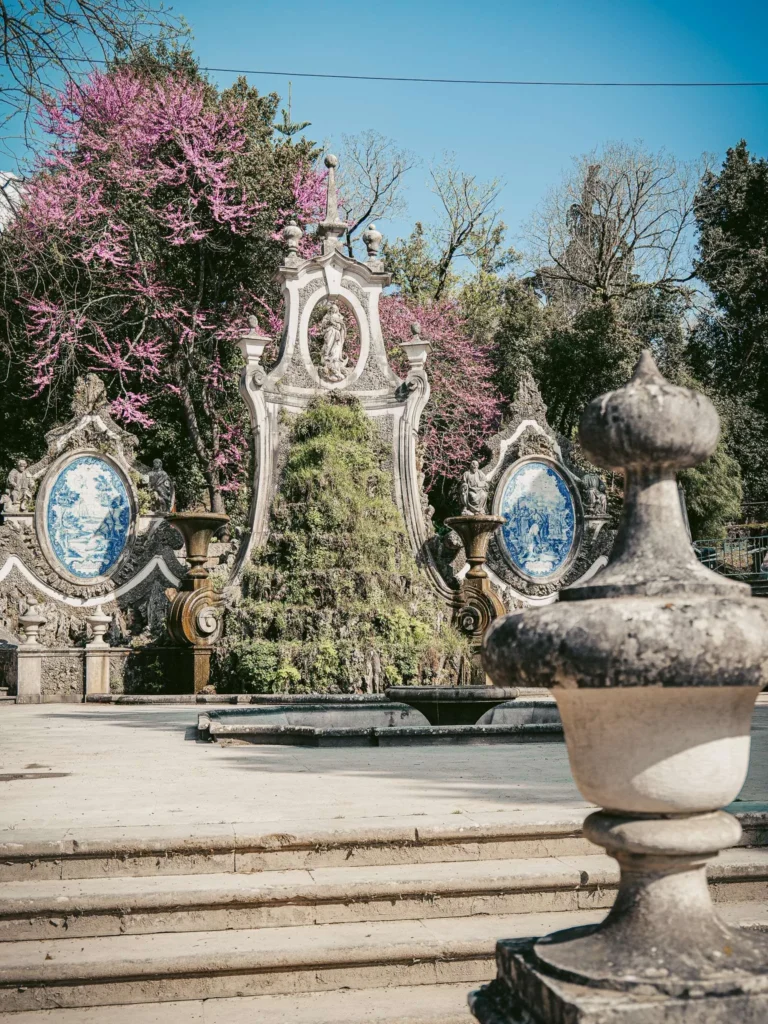
The botanical garden of Coimbra, or as Xavier says, the “I can’t remember the name
The botanical garden of the University of Coimbra (1772): terraces, bamboo forest, squirrels, and the history of quinine. Our opinion and our photos.
Read moreThe Sé Velha, my brief career as an estate agent
As we descended from the university to the lower town, we stumbled upon the Sé Velha, the old cathedral. Started around 1162, under Afonso Henriques, the very first king of Portugal, it is a Romanesque cathedral with the appearance of a fortress, one of the best preserved in the country. Its walls are so thick that it is cool and stable all year round, and it’s this real scientific background that sparked one of my great moments of silliness.
Because on site, of course, I couldn’t help but improvise a full estate-agent parody, channelling my inner Phil Spencer off Location, Location, Location: “small pavilion with an interior garden, a few rooms to renovate, two million net seller, no heating but 16 degrees summer and winter thanks to the thickness of the walls, ideal for electro-sensitive people since there is no 5G reception.” Caroline rolled her eyes, which, for us, means the joke works.
And as one silly thing leads to another, electrical outlets spotted in the church made me conclude that Master Gims (a French rapper) might be right about electricity in the pyramids, before serving a proud “when Jesus passes, the waves pass away.” That’s the level, we own it. A little cultural nod to make up for all this: it is precisely on the steps of this Sé Velha that the Coimbra fado is sung at midnight, in a black cape, almost in the dark. Absolute class, just a few meters from my silliness.
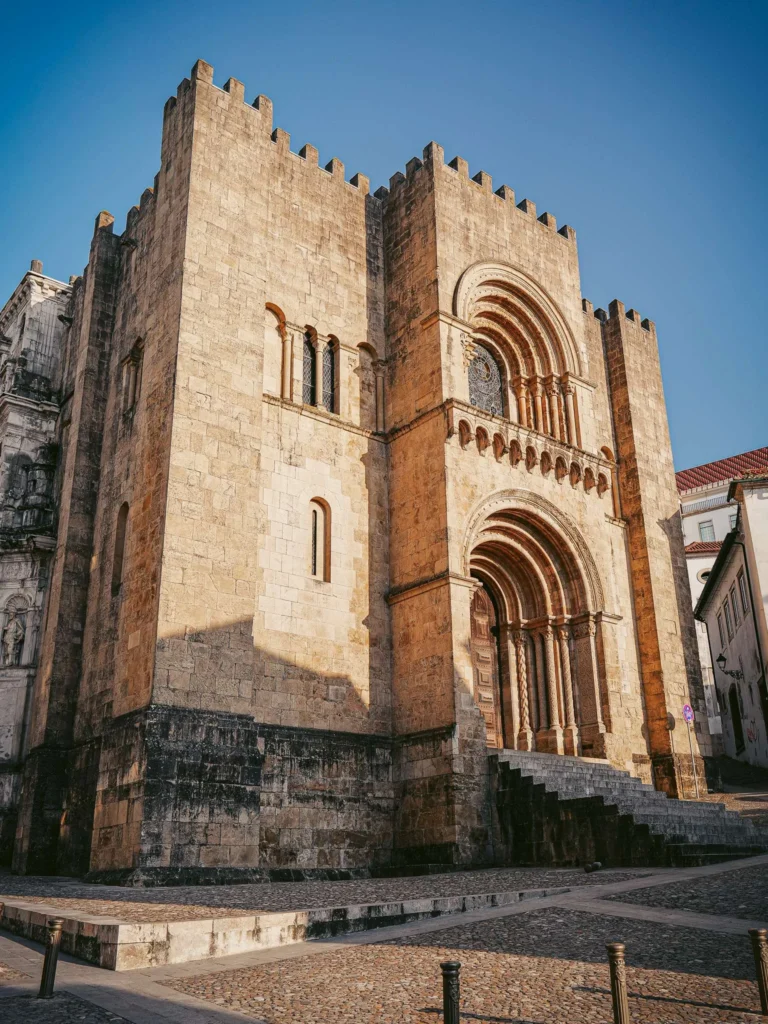
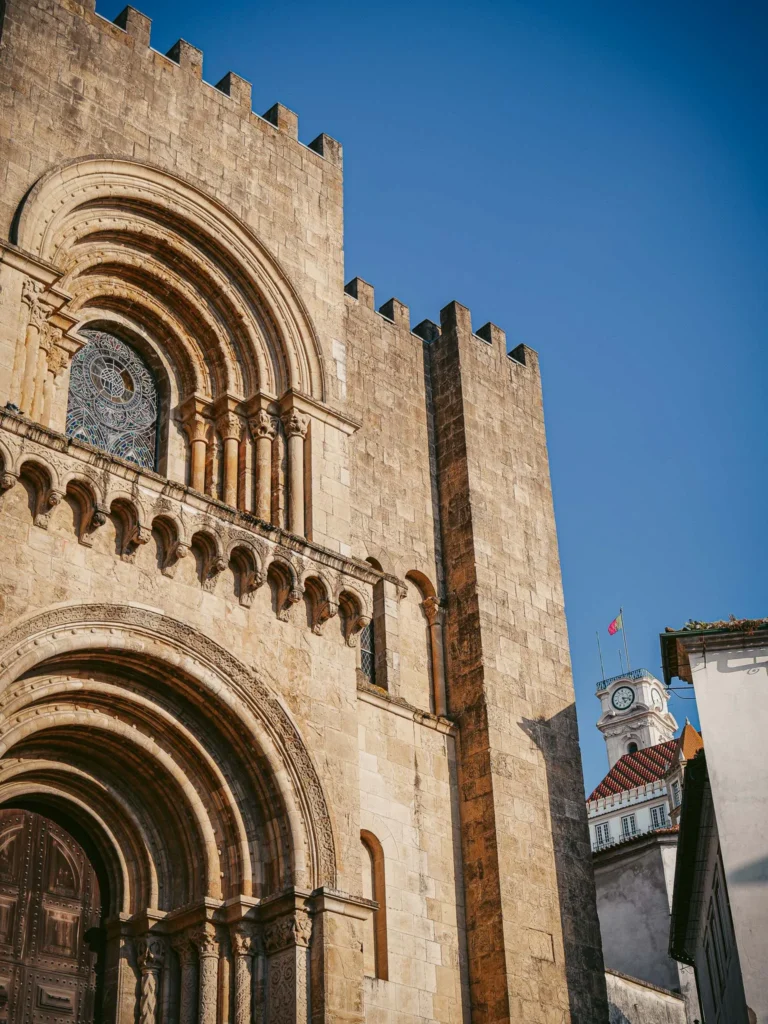
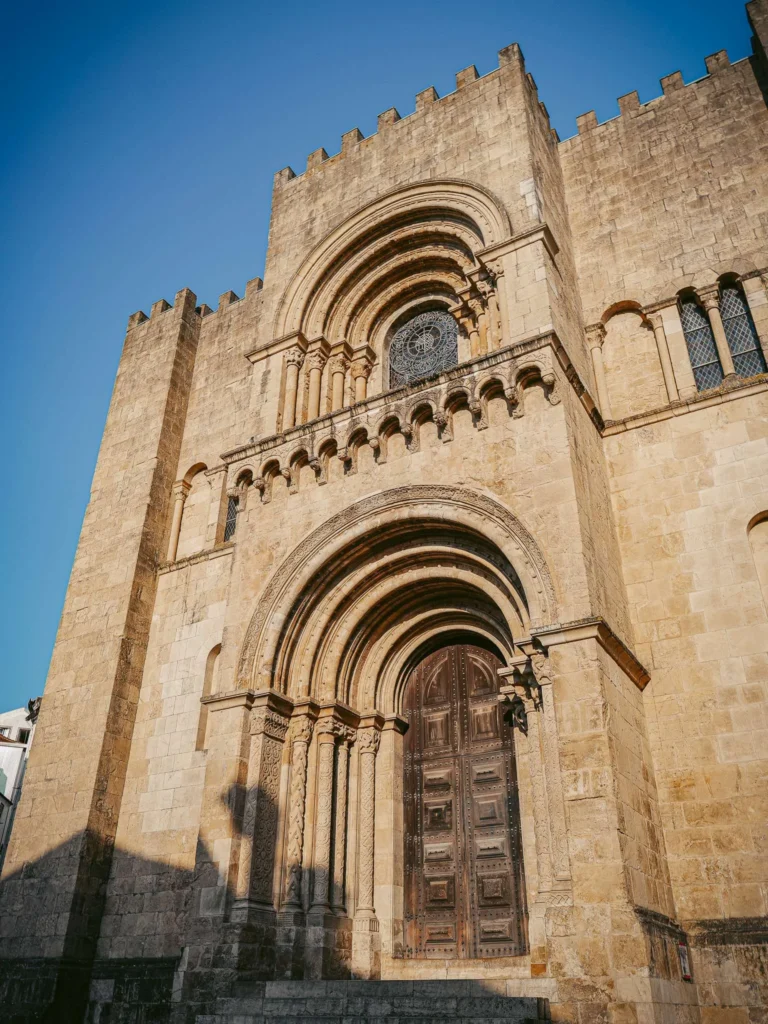
The Sé Velha of Coimbra, or when Xavier plays estate agent
The old Romanesque cathedral of Coimbra (12th century, Afonso Henriques), resembling a fortress, on the path that descends from the university to the Baixa. Our opinion and information.
Read moreWhere to eat in Coimbra: Nicola, tapas, and egg-yolk pastries
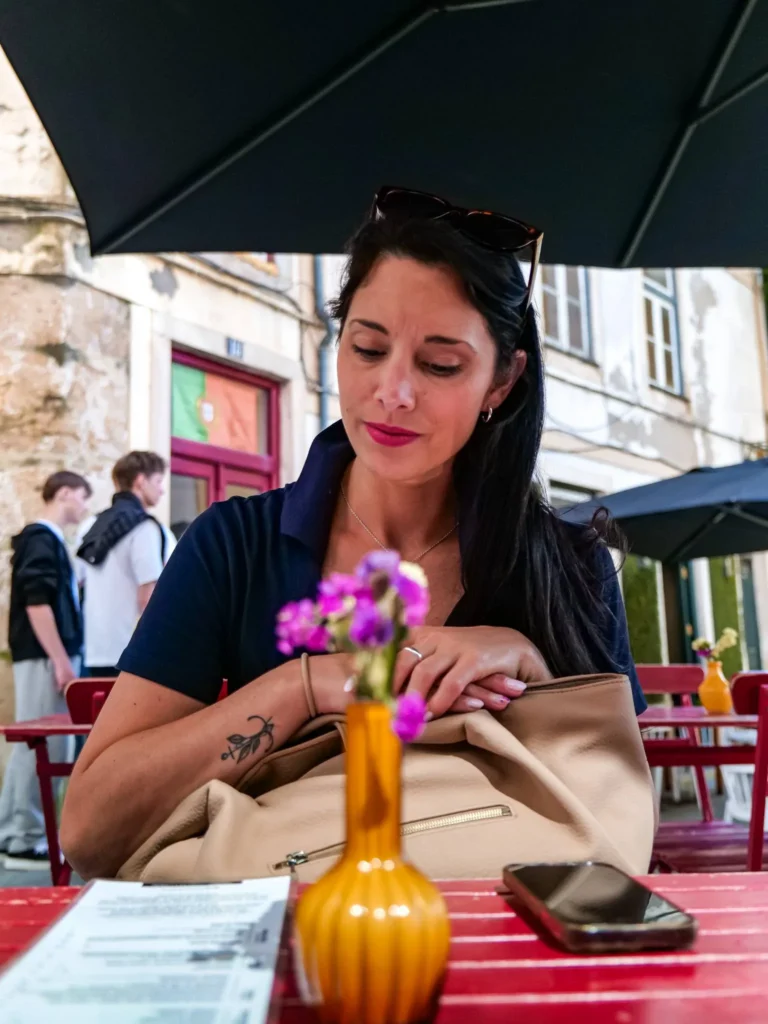
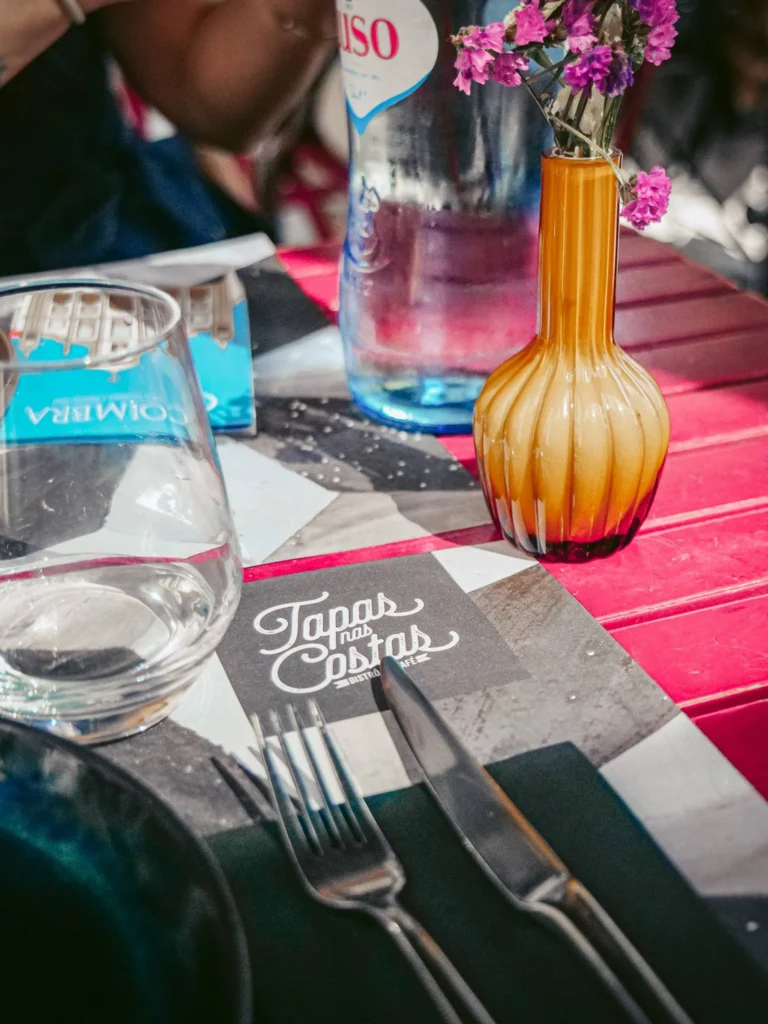
On the food side, we tried two spots in the Baixa, the liveliest street in town. The first, the night before, was Tapas nas Costas, a lovely little tasca we would recommend with our eyes closed. Bonus: right across the street, a bar puts on fado every evening from 9:30pm, for around £10 and a few bites to share. We did not do it this time, but it is written in big letters in our notebook for the next trip.
That is actually where our running joke resurfaced: in front of a storefront, Caroline works on the principle that if it looks pretty it must be good, while I keep repeating that pretty does not mean tasty. On this one we were both a little bit right, which of course settled no argument at all.
The next day, since the campsite was far out, we did a fair bit of driving by Uber, and it was our driver, Josua, who sent us to Nicola, in the Baixa. We found a place steeped in history: opened in 1939, first a simple café, it was long the haunt of the city’s professors, writers and intellectuals, the social network of its day, before becoming a traditional restaurant. For that alone, we were glad to be there.
On the plate it was more of a mixed bag, and I will tell you everything. The croquete de carne, meat with old-style mustard mayo, was fine, just a touch too mustardy for my taste. The “squid” listed on the menu turned out to be plain squid fritters, a small letdown for me since I had been dreaming of the real thing. The cod fritters, the pastéis de bacalhau, served with rice, beans and chorizo, were a big hit with Caroline (who points out, as a connoisseur, that the supermarket ones from the likes of Pingo Doce or Continente are industrial and pointless, whereas here they were genuinely good). The total bill came to around £30 for two, which we thought was great value. You go as much for the place and its history as for the plate, and that is absolutely fine.
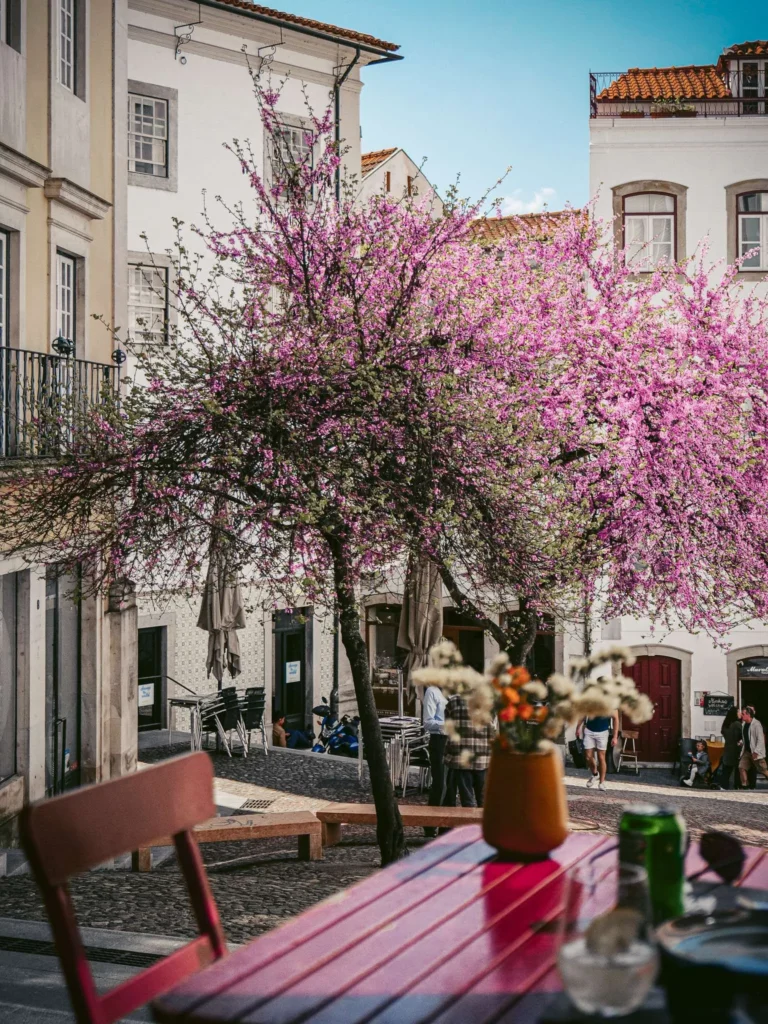
If you want to branch out, the map above lists our other landmarks, from the suckling pig at João dos Leitões to the tapas at Fangas Mercearia Bar. The local specialties to look for: leitão à Bairrada (roast suckling pig), chanfana (goat stewed in red wine), and on the sweet side, arroz doce and the pastel de Tentúgal. At teatime, we gave in to those little egg-yolk pastries tucked between two thin, round layers of puff pastry, very typical of the conventual sweets of the Centre and North. A split verdict, of course: I preferred the version we had tried the night before, while Caroline found the big flaky pastel next door a bit too rich, almost sickly. Sweet, heavy, unapologetic, like everything else here.
How much does a stay in Coimbra cost
To get a sense of the budget on the ground (overnight stops, fuel, meals, a few entry tickets), here is our estimator. Good news: between the free car parks, the affordable campsites up in the heights and the honest restaurants of the Baixa, Coimbra remains an easy, good-value stop for a camper-van trip, as long as you accept a bit of noise in town or a bit of a drive from the campsite.
Quota RapidAPI dépassé (limite par minute/mois). Réessayez plus tard.
What to do around Coimbra
If you have the time, the region is worth lingering in. Here are a few ideas sorted by mood, plus two or three gems nearby to stretch out the road trip.
- Wander the steep lanes of the lower town, the Baixa, between the big shopping avenues.
- Climb (again) up to the upper town, the Alta, and its faculties.
- Visit the University of Coimbra, Alta and Sofia, a UNESCO World Heritage Site.
- Discover the Biblioteca Joanina and its lacquered, gilt-decorated shelves (no photos allowed inside).
- Explore the Sé Velha, the 12th-century Romanesque old cathedral.
- Stop by the Santa Cruz monastery, down in the lower town.
- Take the kids to Portugal dos Pequenitos and its miniature national monuments.
- Hike in the Serra da Lousã, about thirty minutes away.
- Head to the beaches of Figueira da Foz, on the coast.
- Catch the Queima das Fitas, the great student festival in May, held since 1901: a week of rituals, concerts and, on the first night, the Serenata Monumental of fado at midnight on the steps of the Sé Velha.
Two little detours to finish: lovers of fine dining should look toward the Quinta das Lágrimas, tied to the tragic legend of Inês de Castro, and those carrying on the road trip will head to Aveiro, its ria and its moliceiros, less than an hour’s drive away. For our part, we promised to come back for the garden’s greenhouse, which stayed closed, and for Portugal dos Pequenitos, saved for next time.
Exploring Aveiro by Motorhome: Complete Guide for an Unforgettable Trip
Located in the center of Portugal, this destination is ideal for travelers in motorhomes or on road trips seeking natural beauty and tranquility. This article introduces you to Aveiro, its...
Read morePS: if you ever run into a swarm of schoolkids on a field trip screaming and waving at the camera while you are filming, know that we have been there, and I very nearly grabbed one on the way past. Mostly it reminded me how daft we could all be at that age, so peace to them. And no, I still will not be able to say “Coimbra”. Long live Queen legs, and long live Vasco, our real skipper.
These questions we were asked about Coimbra
Where can one listen to the specific Fado of Coimbra?
Are there any Roman baths still accessible in Coimbra?
What is the legend of Quinta das Lágrimas?
Can you kayak on the Mondego River in Coimbra?
What is the 'Latada' ritual in Coimbra?
Where to see bats protecting ancient books in Coimbra?
Portugal, we live here
Two years of full-time van life, and the Algarve as our base ever since. We still hit the road, by van or otherwise, and we write up what we find along the way. An email when we have something to say, no more.
Ce que vous souhaitez recevoir :