Our review of The University of Coimbra
Benefits
- The old part of the Paço das Escolas, magnificent (especially without scaffolding)
- Students in black cloaks, a tradition still alive
- The Biblioteca Joanina and its history (bats included)
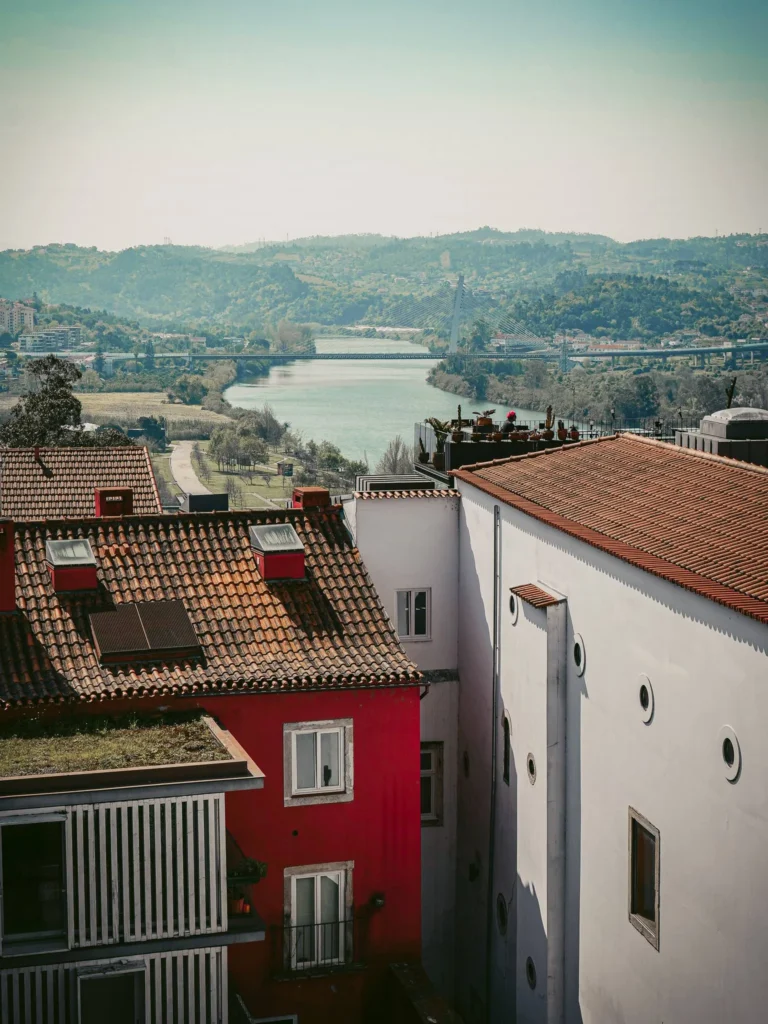
- The view of the red roofs and the Mondego
- One of the oldest universities in the world (1290), UNESCO listed
Disadvantages
- It keeps climbing, prepare your legs
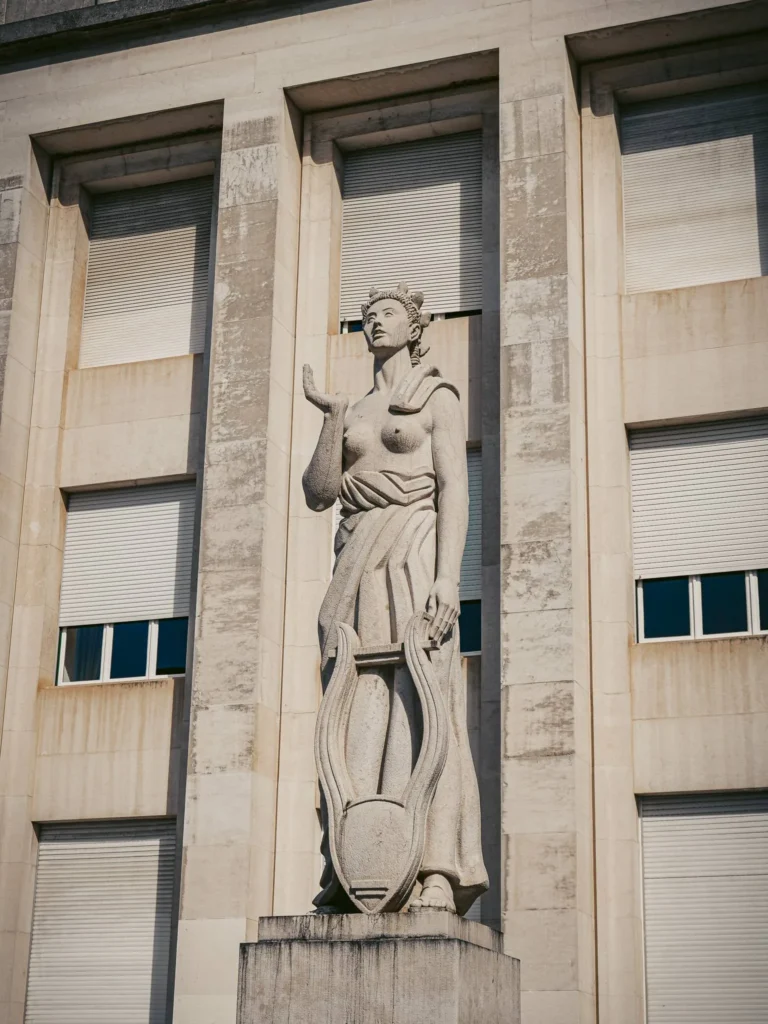
- The modern buildings around are frankly ugly
- The ticket is purchased outside, before entering
- No photos allowed in the Biblioteca Joanina
The highlight of Coimbra, provided you find the old part open and have good legs.
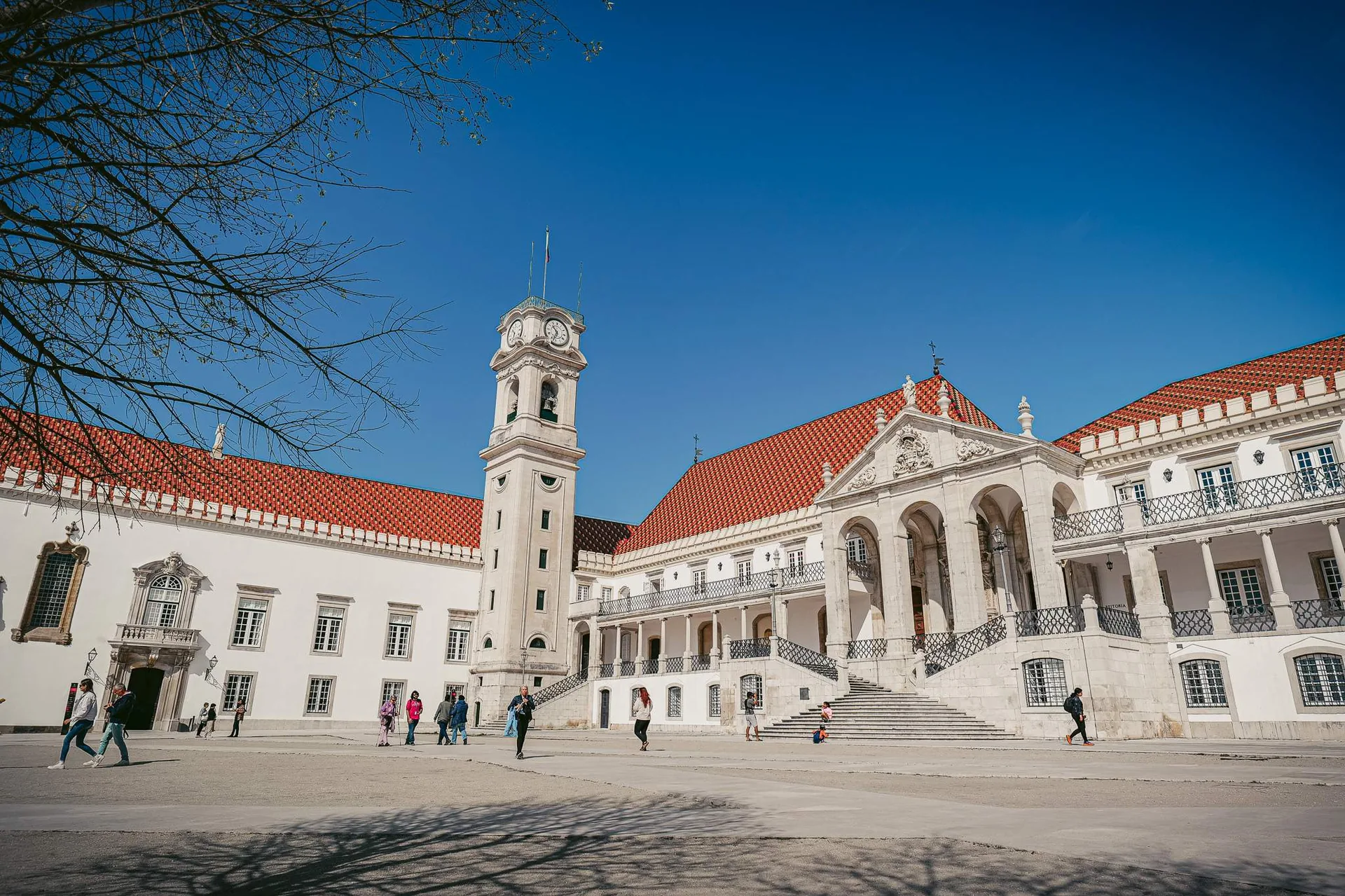
Well, it took two visits to Coimbra for us to finally enjoy the spectacle. The first time, the old part of the university was hidden under scaffolding, undergoing renovations, and we left a bit unsatisfied, having not seen the highlight of the city. This time, without hesitation, we head back up there (because yes, in Coimbra, everything is earned by climbing), and there, of course, it takes our breath away. The contrast is striking between this historical part, magnificent, and the modern blocks surrounding it, stark and square, each meant to represent a territory, but frankly ugly. The argument “a university is meant for studying, not for being pretty” only half holds when you see the wonder next door.
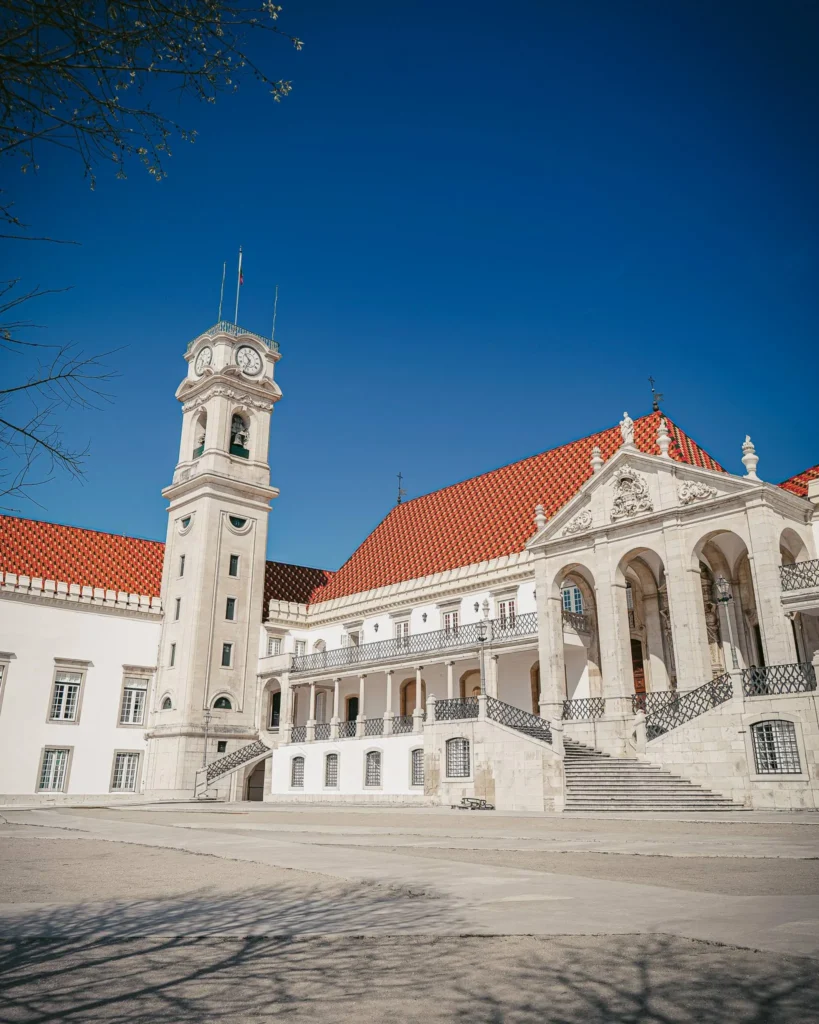
The old part, finally without scaffolding
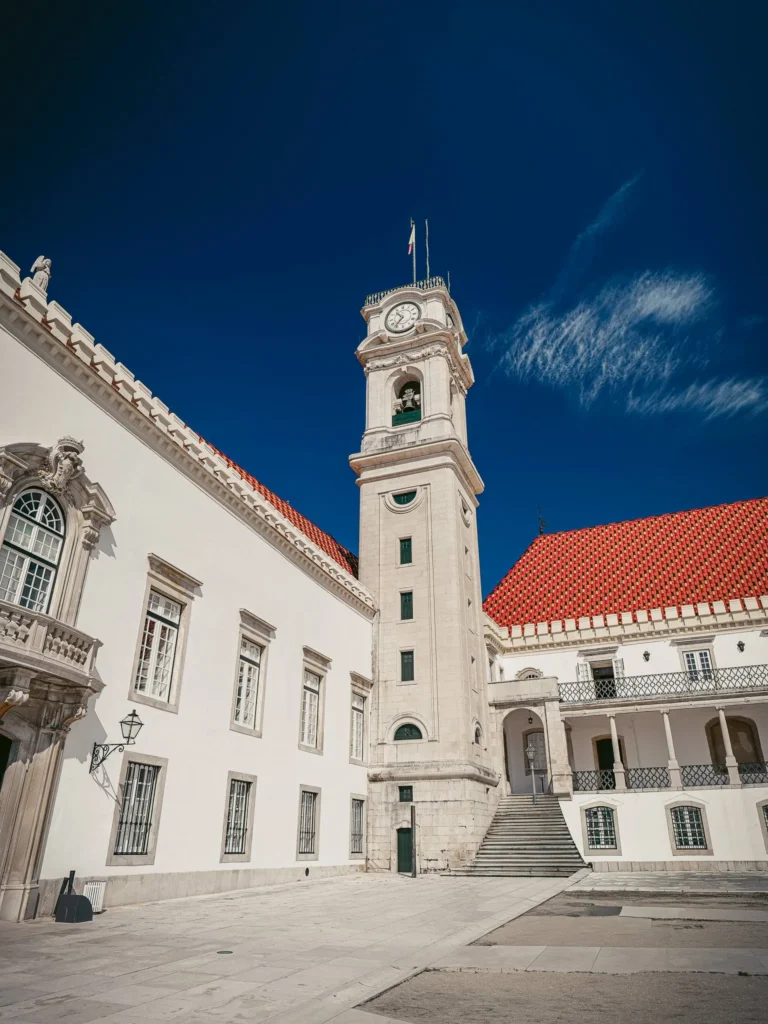
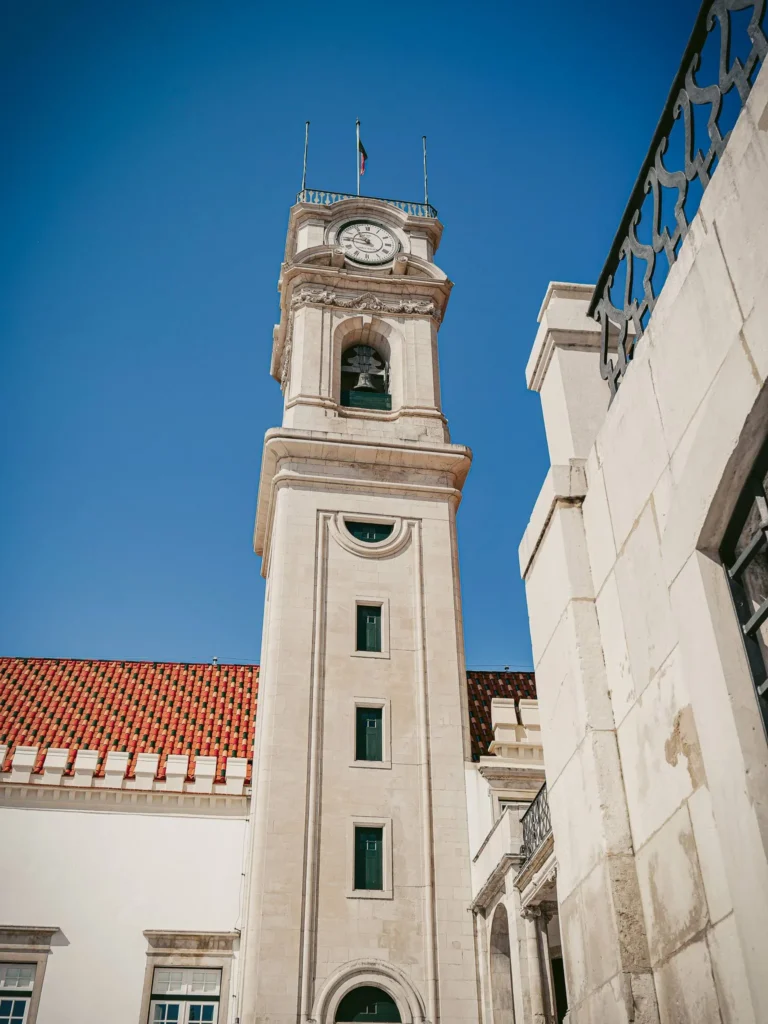
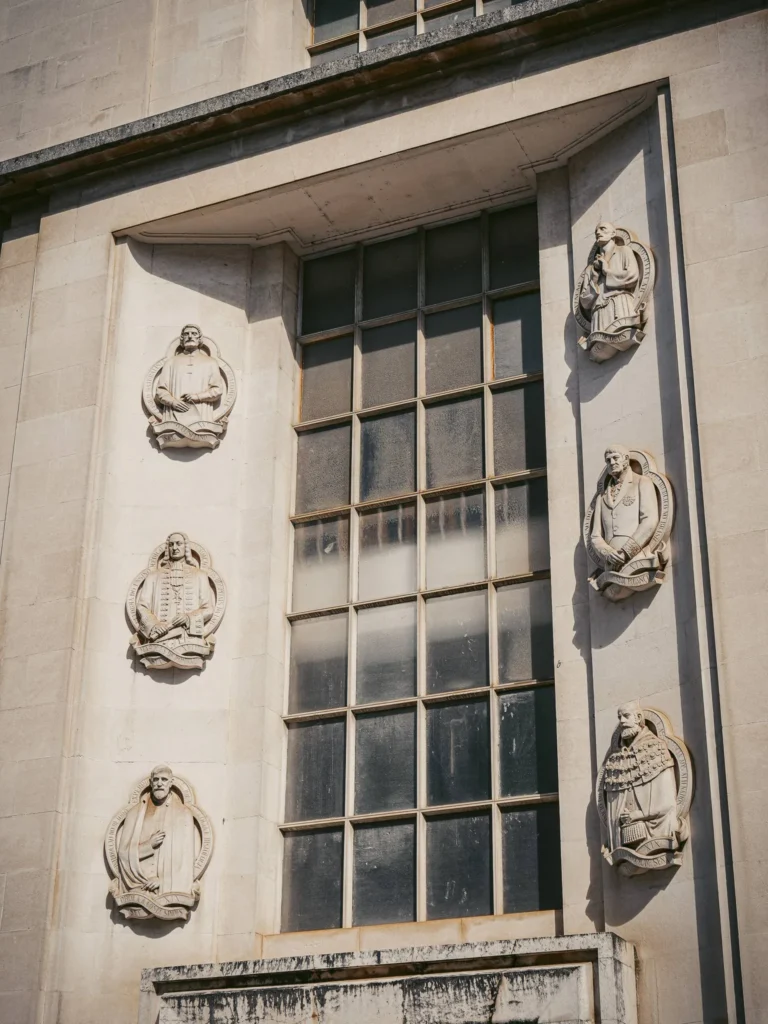
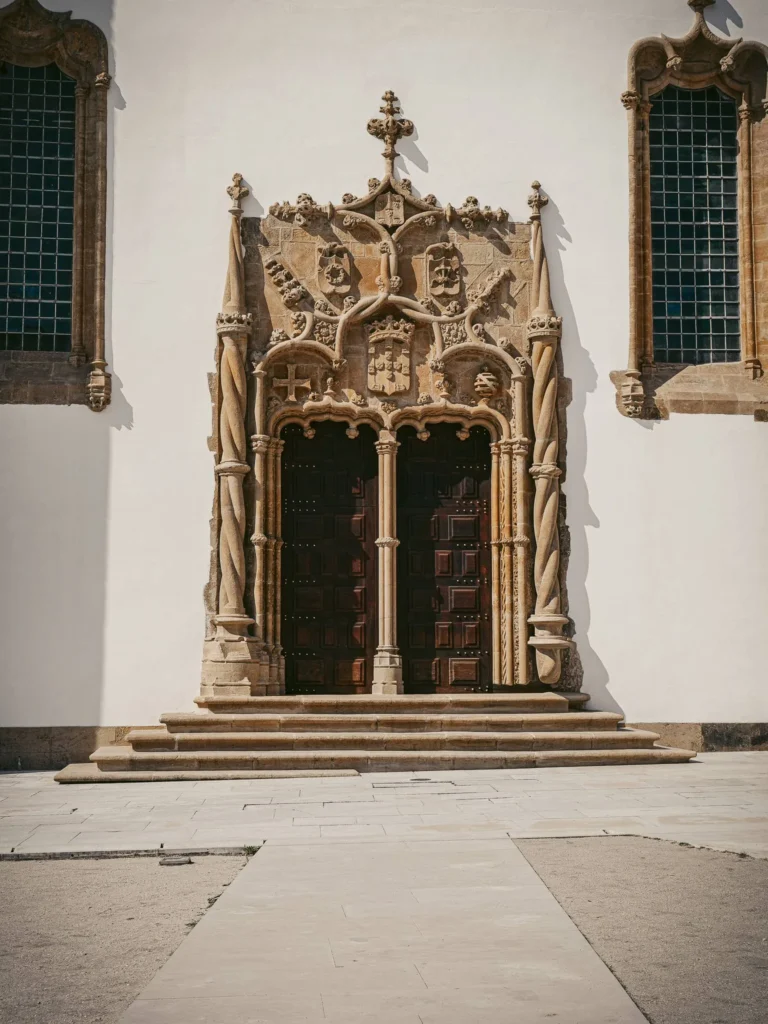
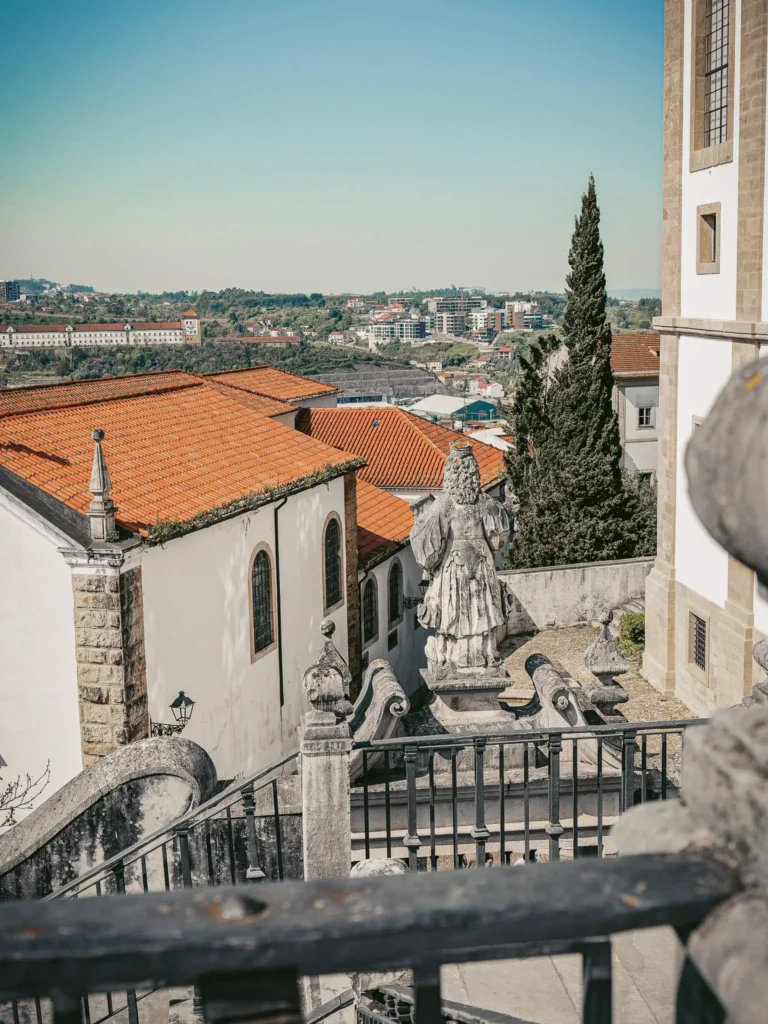
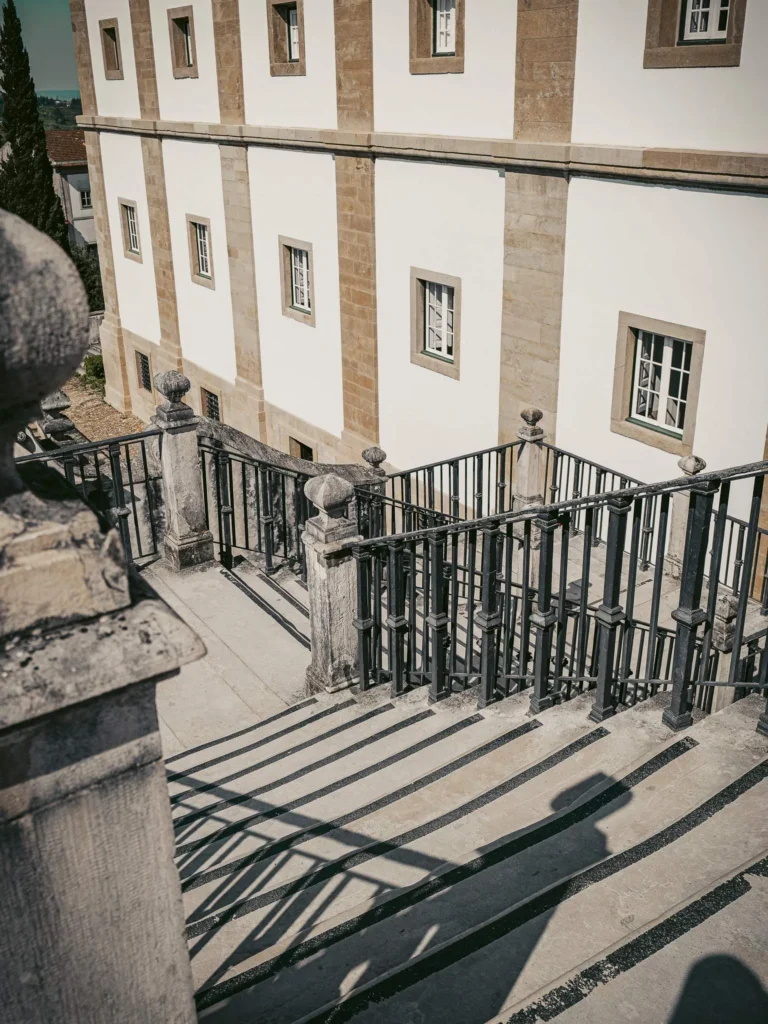
The Paço das Escolas is the historical heart, and it is truly the most beautiful part. A large courtyard open to the sky, sculpted facades everywhere, an impressive Manueline portal, the clock tower (which students nickname “the goat”) overseeing it all, and statues watching you climb the steps. We turn, we look up, we go down, we start again: it’s the kind of place where you take fifty photos of the same wall because at every angle it tells something different.
What strikes you is that everything breathes history here, for real reasons. We are in one of the oldest universities in the world still in operation, and you can feel it in the atmosphere, in the gentle wear of the stone, in the somewhat solemn silence of the inner courtyards. You find yourself speaking more softly, like in a church (except here, it’s a church of knowledge).
A bit of history (and geography, to shine at dinner)
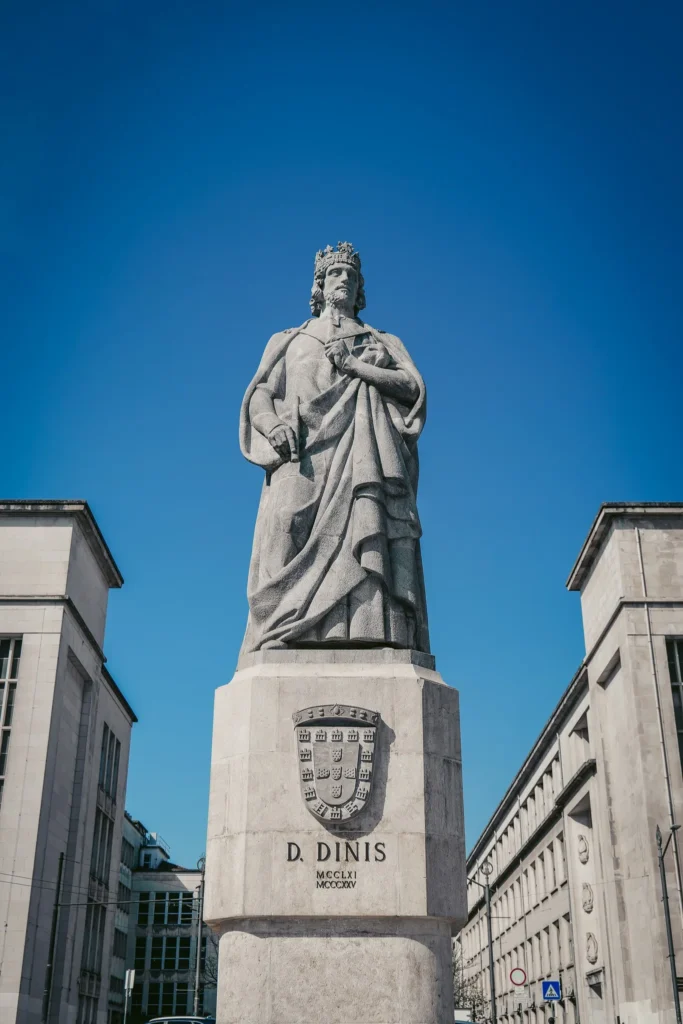
A little detour into the past, because this one is worth it. The university was founded in 1290 by King Denis (Dom Dinis, yes, the one with the big statue in the square), but at first, it played musical chairs between Lisbon and Coimbra, before settling here permanently in 1537. It is one of the oldest universities still in operation in the world, and the entire Paço das Escolas has been classified as a UNESCO World Heritage site since 2013. A detail that sets the scene: Coimbra was actually the capital of the Kingdom of Portugal before Lisbon reclaimed the title.
In terms of geography, the city clings to a hill overlooking the Mondego, the longest river to flow entirely within Portuguese territory. The university sits at the very top, in the Alta district (the “high city”), and that’s why it climbs so much to get there. My grand theory of the stay is therefore not just a joke, it’s pure topography: in this city, you go up, you go down, and by the end of the day, you have gained less in IQ than in glutes.
The Biblioteca Joanina and its bats (true story)
If you make it up here, there is a room you must not miss: the Biblioteca Joanina, a baroque library built between 1717 and 1728 under King John V. It’s a golden jewel, with sculpted woodwork and shelves filled with ancient books, the kind of place that makes you whisper to yourself. And here’s the killer detail: at night, it is guarded by a colony of bats that devour paper-eating insects. A free, eco-friendly, furry conservation service, classy.
However, we won’t show you any photos of the interior: it is strictly forbidden inside (to protect the works). So we put away the camera and just opened our eyes wide, like grown-ups. That’s why you won’t see the famous golden room in our pictures: we follow the rules, even when it itches.
The black capes, a tradition that still holds
What struck me the most, personally, are the students in black capes. The famous Coimbra cape, worn for real, not just for the tourist photo. This tradition dates back centuries, accompanied by a whole folklore (colored ribbons according to the faculty, good-natured hazing rites, the serenata sung in the evening in the alleys), and I think it’s great that we keep this kind of thing alive. It gives the campus a charm that nothing else can replace, an atmosphere suspended between Hogwarts and reality.
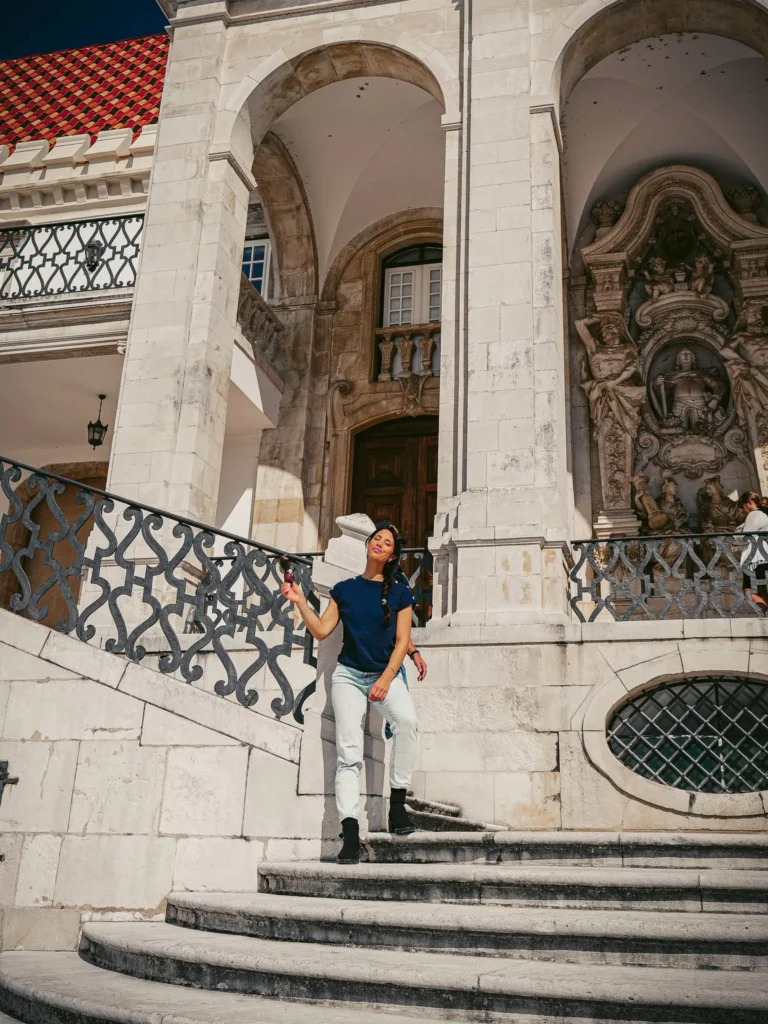
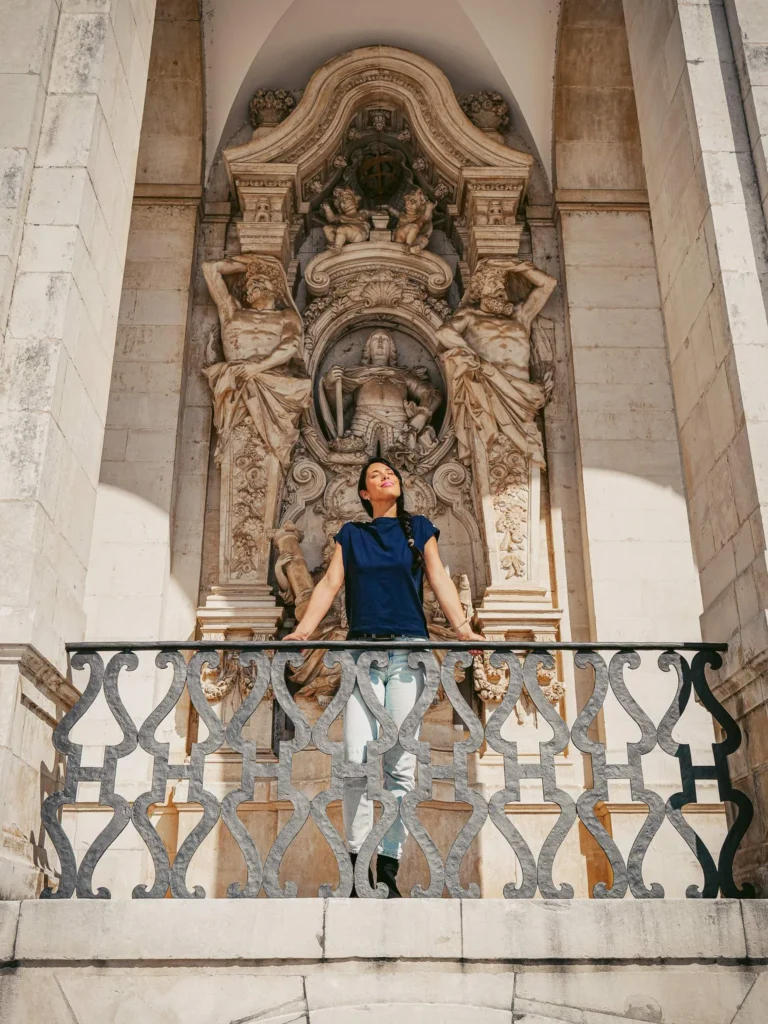
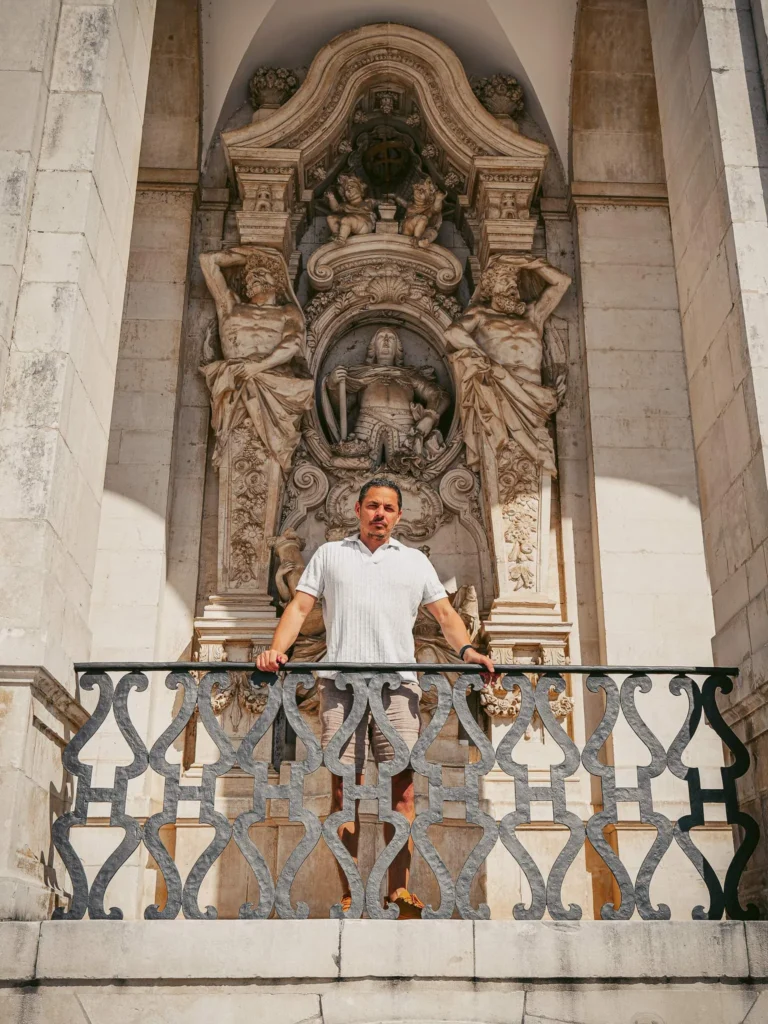
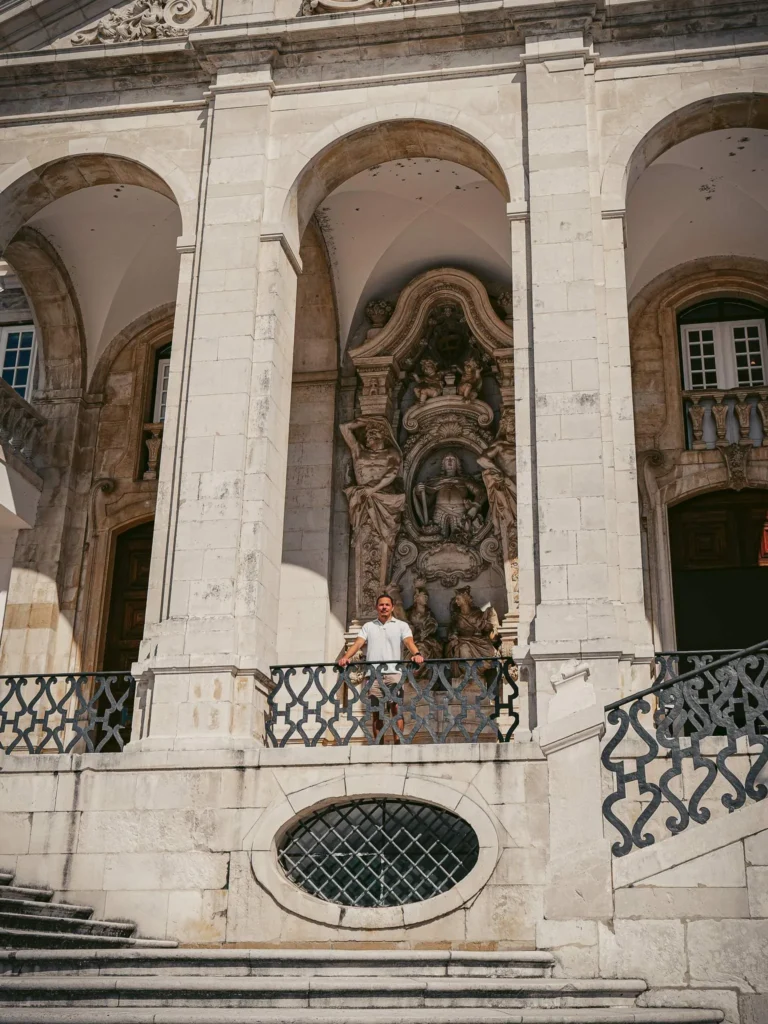
We, of course, just posed like two self-aware tourists on the stairs and balconies, Caroline on one side, me on the other, each playing the model in front of the sculpted facades. Let’s not kid ourselves, we don’t have the class of the students in capes, but we did what we could.
Law, medicine, and the building that stands on its head
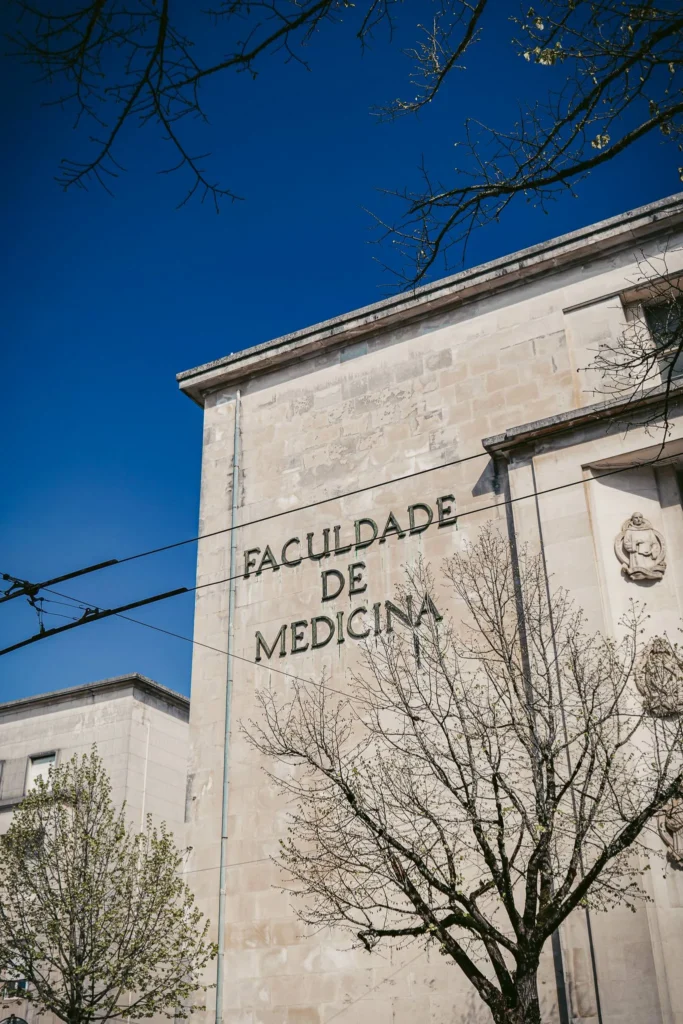
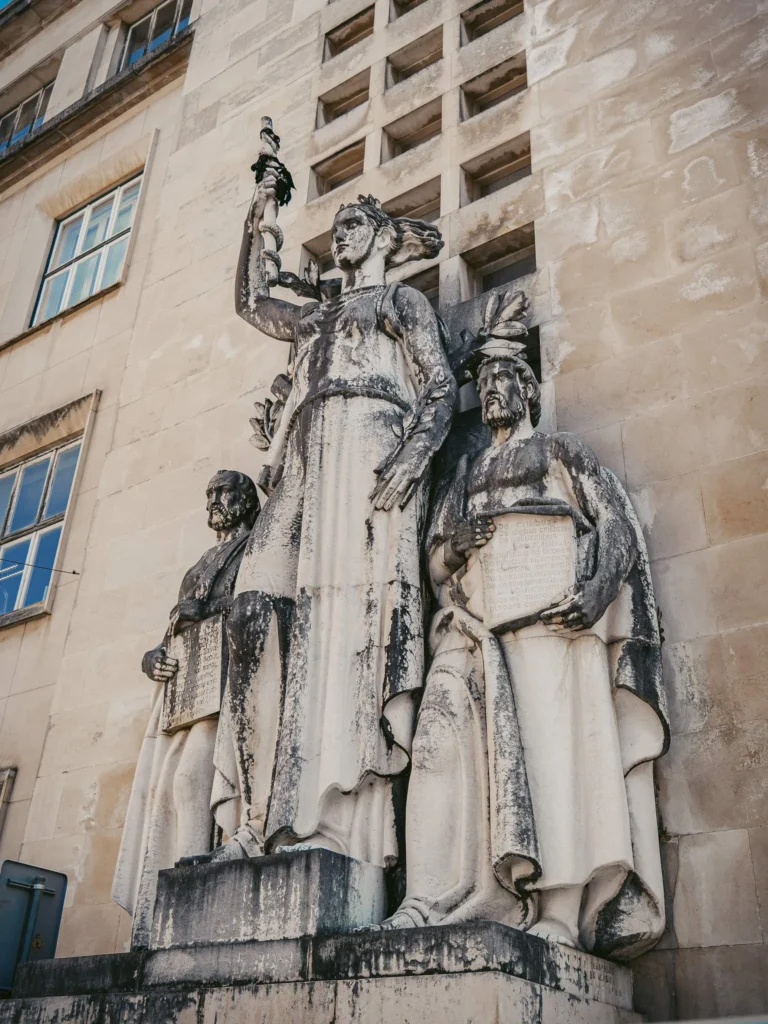
A little detail that made us laugh on site: all the faculties are there, less than 200 meters apart. We go from medicine to law, from law to letters, without even catching our breath (well, yes, we catch our breath, we are in Coimbra, it’s a climb). The math faculty even has a facade covered in symbols, very proud of itself. Quite a crazy concentration for a historic campus.
And the joke of the day is that the most beautiful building is next to the law faculty, not medicine. There you go, “it stands on its head” as they say: those who will heal people inherit the saddest walls, and those who will plead get the most beautiful stones. There’s a hidden message in there, but I’ll let you decode it.
The view over the rooftops and the Mondego
And then there’s the moment when we turn around. From up there, the view over the red rooftops of Coimbra and the Mondego river below is truly the kind of panorama that justifies all the steps taken. We stand there for a moment, catching our breath and watching the city spread out, with the green hills behind and the river cutting everything in two.
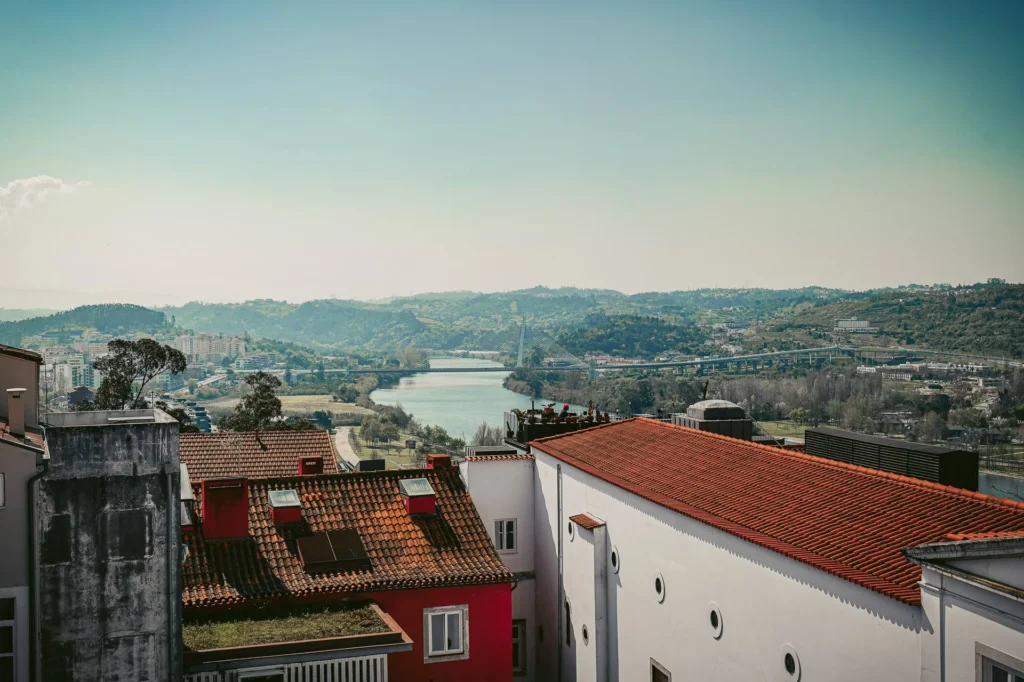
Perhaps that’s the true luxury of the old university: it overlooks everything. Kings placed their palaces here, scholars their library, students their capes, and we just set down our tired sneakers to take the best photo of the day.
Practical information
Also to see in Coimbra
We’ve told you all about the rest of the stay (where to sleep in a van, when to come, how much it costs, what to do around) in our complete guide to discovering Coimbra by camper van.
PS: if one day you see a couple climbing the Alta while puffing, one photographing flowers and the other talking about “nice behinds”, that’s us. Wave, we’ll probably need a break.