



So here is the thing, I have been circling the VW California for years, like a kid in front of a toy-shop window… I reckon it is the van everyone pictures owning one day, the little pop-top roof, the looks that work everywhere, the promise of leaving on a Friday night on a whim. I drooled over it, honestly. And then one day I did what nobody does before fantasising about it: I opened the configurator and looked at the price in the bottom corner (the one you try very hard to forget).
And there, a small moment of silence. Because the California is gorgeous, but it is also one of the most expensive vans on the market per square metre, and I mean that. So in this article I give you the real prices of October 2026 (new AND used, by generation), I take apart the « it doesn’t depreciate, it’s an investment » myth, and I tell you why we, with Caroline, ended up buying something completely different. So you sign with your eyes open, not on a showroom crush.
How much does a new VW California cost?
Let’s start with the brutal bit, new. The current generation starts around £63,500 for the Beach (the entry version, the one without the built-in kitchen), climbs to about £70,700 for the Coast, and plants its flag at roughly £77,600 for the Ocean, the top trim with the real kitchen and the shiny finish. That is the « from » price, the one they print in big letters.
Except « from » is a bit like the £12 set menu that ends up at £40 once you have added a starter and a dessert. Tick the eHybrid PHEV, the 4Motion, the paint you like, a couple of packs, and your nice Ocean is suddenly nudging £86,700 on the configurator (yes, properly, for a van where you sleep with your feet almost in the fridge). That is the real trap of buying new: the advertised price is never the price you pay.
A quick honest aside: at that level you are no longer making a « smart buy », you are making a heart decision, and owning it. And there is nothing wrong with that, you just have to say it out loud.
| Version | New (2026) | Typical used |
|---|---|---|
| Beach (entry, no kitchen) | from £63,500 | T5/T6 from ~£37,500 |
| Coast (mid-range) | from £70,700 | T6 ~£45,000 to £55,000 |
| Ocean (top trim) | from £77,600 | T6.1 ~£49,000 to £76,000 |
| Loaded / PHEV | up to ~£86,700 | close to new price |

What is the price of a used VW California?
And this is where most people (me first) switch tracks: used. Because let’s be honest, that is the real way into a California, new is for a minority. But careful, « used » does not mean « cheap », far from it, as we will see.
To give you concrete markers, by generation:
- The T5 (the oldest, up to 2015): you can find them from around £37,500, sometimes less on heavy mileage. It is the entry point of the used market, and oddly enough it is also the one that holds its value best over time (more on that in a second, it matters).
- The T6 (2015-2019): count more like £45,000 to £55,000 depending on year, options and miles. Already serious money for a five or six-year-old vehicle.
- The T6.1 (2019 to recently): here you are in the £49,000 to £76,000 bracket, and a recent low-mileage T6.1 can almost touch the price of a new one from two years ago. It is almost indecent.
See the catch? A well-kept used California is often only 15 to 25% cheaper than a new equivalent, and that is it. We are a long way from the depreciation of a normal saloon. So yes, used is the right strategy, but stop picturing a £25,000 bargain waiting quietly on Auto Trader, it does not exist (or if it does, there is a catch, and the catch will cost you dearly in mechanics).
« The California doesn’t depreciate, it’s an investment »: shall we talk?
That is THE line you get everywhere, on every forum, in every article: « buy it, it doesn’t depreciate, it’s a savings plan ». And it is true… by half. And the half they hide from you is exactly the one that hurts your wallet.
Yes, the California holds its value brilliantly, it is documented: around 12% loss over three years when a normal car loses 40, 50, sometimes more. On paper, great. Except flip the reasoning for a second: if used barely depreciates, it means you buy a used one almost at the new price. The « bargain » of buying used melts like snow in the sun. You are not making a huge saving, you are just paying slightly less for a vehicle you will resell… slightly less too. The snake eating its own tail, vanlife edition.
To see just how much the California stands out on depreciation (and why it cuts both ways):
Average depreciation over 3 years
around 12% value lost
40 to 50% value lost
In short, « it doesn’t depreciate » is not a reason to buy, it is just a consolation for the day you sell. Huge difference.
Beach, Coast or Ocean: which trim is actually worth it?
Three trims, three philosophies, and a price gap that can reach £14,000 between bottom and top. So let’s cut the fluff:
- Beach: the cheapest, the most versatile, but no built-in kitchen (you cook outside or with a removable unit). Perfect if you want a daily van that turns into a bed at the weekend. The « sensible » choice.
- Coast: the in-between, a bit more kit, a bit more comfort, a bit more money. The choice for the one who can’t decide (no judgement, I have been that guy).
- Ocean: the top trim, real kitchen, real finish, the thing that makes you feel like a flat on wheels. The most desirable, and therefore the most expensive, naturally.
My honest take after actually living in a van: the famous built-in kitchen of the Ocean is lovely for two days, and then you realise you cook 80% of the time outside, in the sun, on a little folding table (because nobody wants to smoke out their bed with a pan of fried onions). So before dropping £14,000 more on a trim, ask yourself how many nights a year you will actually sleep in it. The answer usually calms things down.

We're Caroline and Xavier
We got most of it wrong before we got it right. We share what actually holds up day to day in a van, and what we wouldn't do again.
Ce que vous souhaitez recevoir :
The cheaper alternatives to the VW California
Because the California is not alone in the world, thankfully. If the VW badge is winking at you but the price is making you cry, here are some serious options:
Ford Nugget
The most direct rival, and a real bonus: some versions have a toilet (the California, never). For a lot of people that is the dealbreaker.

Mercedes Marco Polo
German luxury, often at Ocean level or below on price, with the star on the bonnet if that matters to you.

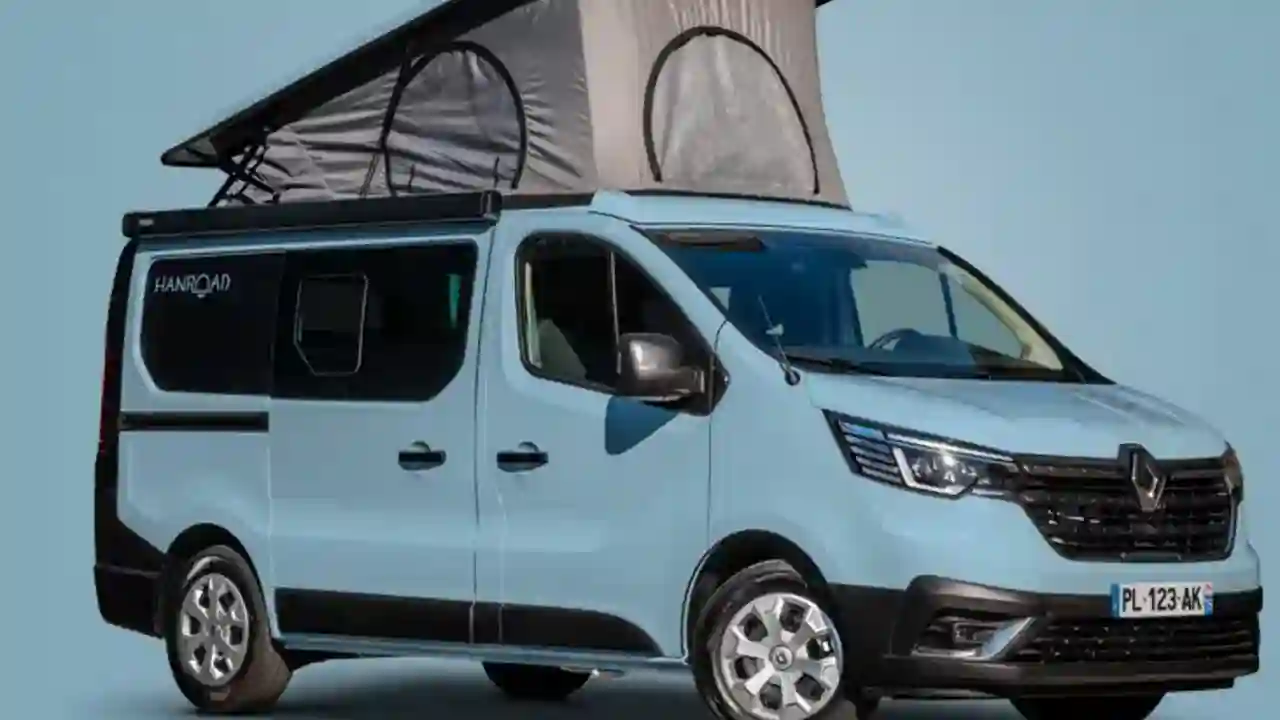
Hanroad Trek 4
Built on a VW Transporter or Renault Trafic base, compact but well-equipped, with standard diesel heating. Great for dual daily-and-leisure use without breaking the bank.
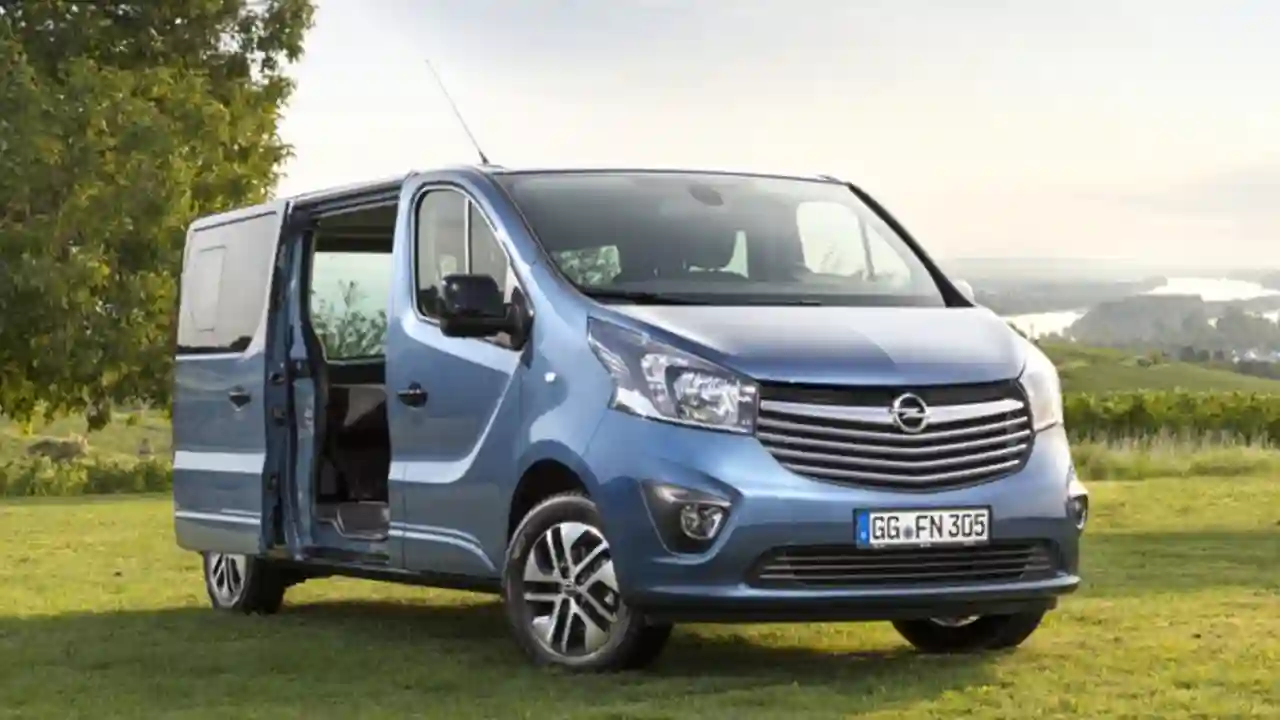
Opel Vivaro Life
A budget-friendly alternative, flexible and comfortable, perfect for family or group trips without blowing the budget.
And if you want to go cheaper still: the small VW Caddy California, or a removable conversion kit fitted to a used Transporter, unbeatable on freedom-to-price if you are a bit handy.
New, used, or importing from Germany?
The question that comes up all the time, especially importing. You hear « it’s cheaper in Germany » everywhere. Well… yes and no. Germany has a huge used market (mobile.de is the Aladdin’s cave of the California), so more choice, and sometimes slightly lower prices. But once you have added the trip, the time, the registration paperwork and the VAT/import faff, the real gap often shrinks to not much. Unless you are after a rare or heavily-specced model you can’t find at home, then it can be worth it.
My simple advice, and it holds for new as much as used: before dropping £50,000, hire a California for a week. For a few hundred pounds you will know whether life in 5m² makes you tick or makes you crazy (both happen, trust me). It would be a shame to discover you hate it after you have signed, no?
The real budget: what nobody works out before signing
And here we get to the heart of it, the reason I wrote this article. The purchase price is the tree that hides the forest. The real subject is the cost of ownership, and there, radio silence on most sites.
A £70,000 vehicle means: insurance that stings (insure a van at that value and watch the quote), servicing at the VW commercial network that is not cheap, fuel, parking or winter storage, and the net depreciation, small as it is, that is still money evaporating. Add it all up over a year and you get a figure that has little to do with the price on the forecourt. And don’t forget road tax: every California lists above £40,000, so it triggers the expensive-car supplement, around £620 a year in years two to six.
And that is exactly why we, with Caroline, did not buy a California. We looked at our real use (long trips, proper time inside, the need for a real fixed bed and living space), did the maths coldly, and went for a Hymer B544, a used coachbuilt motorhome. Bigger, older, far less Instagrammable than the California (Edouard, we call him, and he has his own saga of breakdowns, but that is another story)… yet for the price of a used California Beach we got twice the living space and a real home on wheels. Not the same vibe, not the same use, I know. But that is the whole point: the right van is not the prettiest or the priciest, it is the one that fits YOUR use. The California is a brilliant vehicle… for those whose use justifies its price. For everyone else, there is a whole world of less shiny and so much smarter options.

VW California price: everything you want to know
How much does a new VW California cost?
New diesel prices start around £63,500 for the Beach, £70,700 for the Coast and £77,600 for the Ocean. Tick a few options (PHEV, 4Motion, packs) and you are quickly past £85,000. The « from » price is never the price you actually pay.
What does a used VW California cost?
Expect from about £37,500 for an older, high-mileage T5 or T6, and roughly £49,000 to £76,000 for a tidy T6.1. A well-kept used California is only 15 to 25% cheaper than a new equivalent.
Does the VW California really hold its value?
Yes, around 12% depreciation over three years against 40 to 50% for a normal car. Brilliant at resale, but it also means you buy used almost at the new price: the real saving is much smaller than the forums suggest.
Beach, Coast or Ocean: which trim is worth it?
Beach for versatility (no built-in kitchen), Coast for the middle ground, Ocean for the full kitchen and finish. Before paying around £14,000 more, ask yourself how many nights a year you will actually sleep in it.
What is the cheapest alternative to the VW California?
The Ford Nugget (which even offers a toilet), the Mercedes Marco Polo, or a removable conversion kit fitted to a used Transporter. Worth knowing: the California has no toilet, which surprises a lot of first-time buyers.
How much is road tax (VED) on a VW California?
Every California lists above £40,000, so it triggers the expensive-car supplement: budget around £620 a year in years two to six, on top of the standard rate. Many buyers do not see that one coming.
Is the new T7 better than the T6.1?
The T7 (built on the Multivan) is pricier and comfier on the road, but it has a smaller kitchen, less storage and a narrower bed. Plenty of owners still prefer a used T6.1: cheaper, and more « van » in spirit.
Does the VW California have a toilet?
No California has a built-in toilet (just an optional outdoor shower). The Ford Nugget Plus does, which is often the deciding factor for buyers who want one.
Diesel or eHybrid PHEV: is the extra worth it?
The PHEV costs several thousand pounds more. Great if you mostly do short, urban trips; for long-distance touring the diesel still makes the most sense.
How many people can sleep in a California?
Usually four seats and two to four berths depending on the trim and pop-top roof. It is not a big family camper: for four full-time travellers it gets tight fast.
The electric ID. Buzz California: price and release date?
The all-electric California based on the ID. Buzz is expected around 2026, priced above £60,000. At the time of writing it is not on sale yet.
What is the delivery time for a new one?
Often six months to a year depending on spec and timing. Another point in favour of buying used, which you can drive away straight away.
Can you park and sleep anywhere in a California?
Not really. Overnight rules vary by area and country, and in Scotland the statutory wild-camping rights cover non-motorised access only, not campervans. Always check locally before bedding down.
PS: if you cave for the fully-loaded Ocean anyway, send me a photo, I’ll come and drool over it in person, with my little folding table and my fried onions.
Van life day to day, unfiltered
Two years of full-time van life, and the Algarve as our base ever since. We still hit the road, by van or otherwise, and we write up what we find along the way. An email when we have something to say, no more.
Ce que vous souhaitez recevoir :