


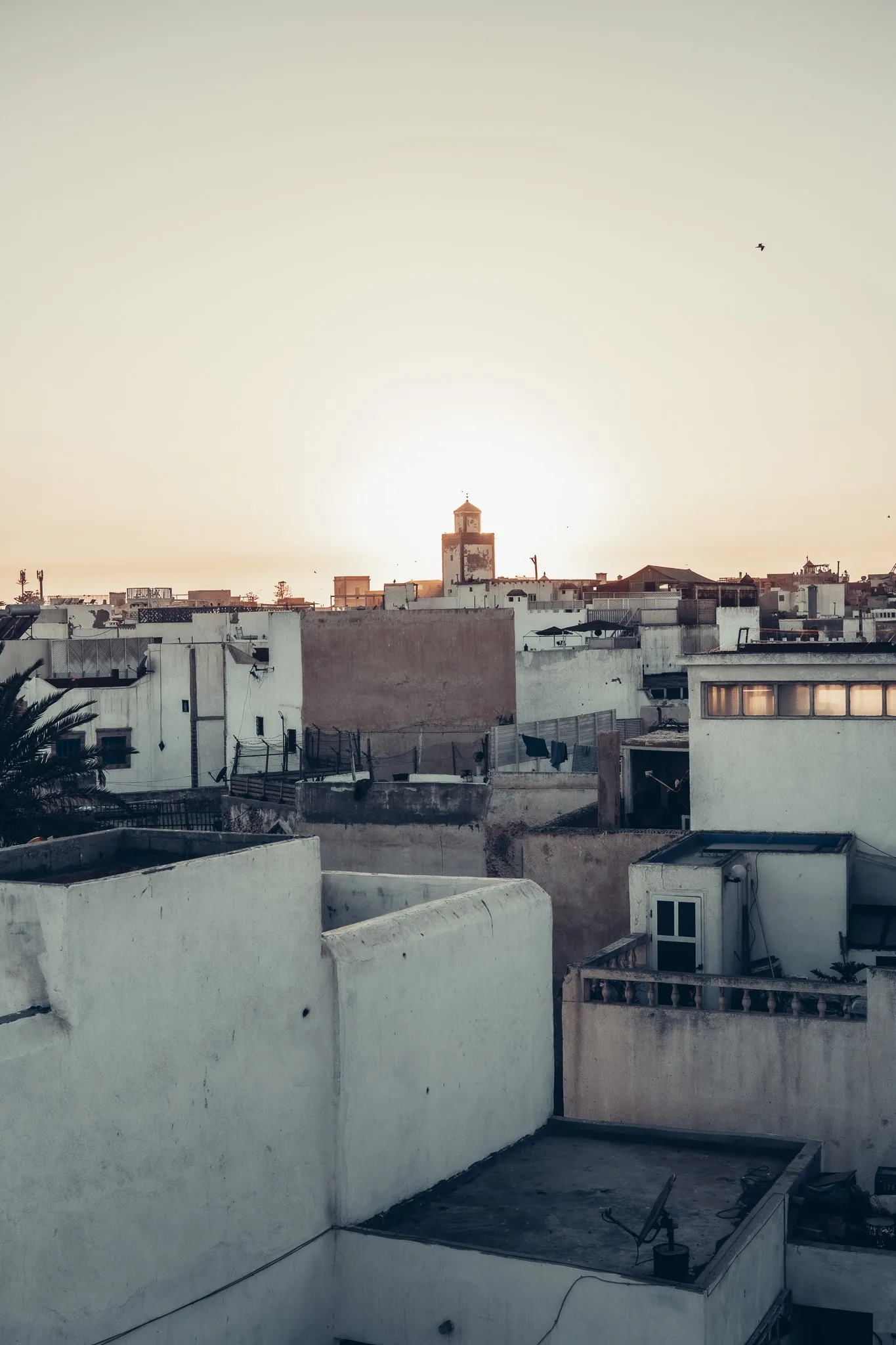
We had a few days ahead of us from the Algarve, and instead of staying quietly at home, we did what we always do: we looked at a map. Morocco was there, right across, on the other side of the Atlantic. So without further ado, we packed a bag for a few days getaway, heading to Essaouira. We left Faro by plane, flew over the desert, landed in Marrakech, and from there we headed to the coast.
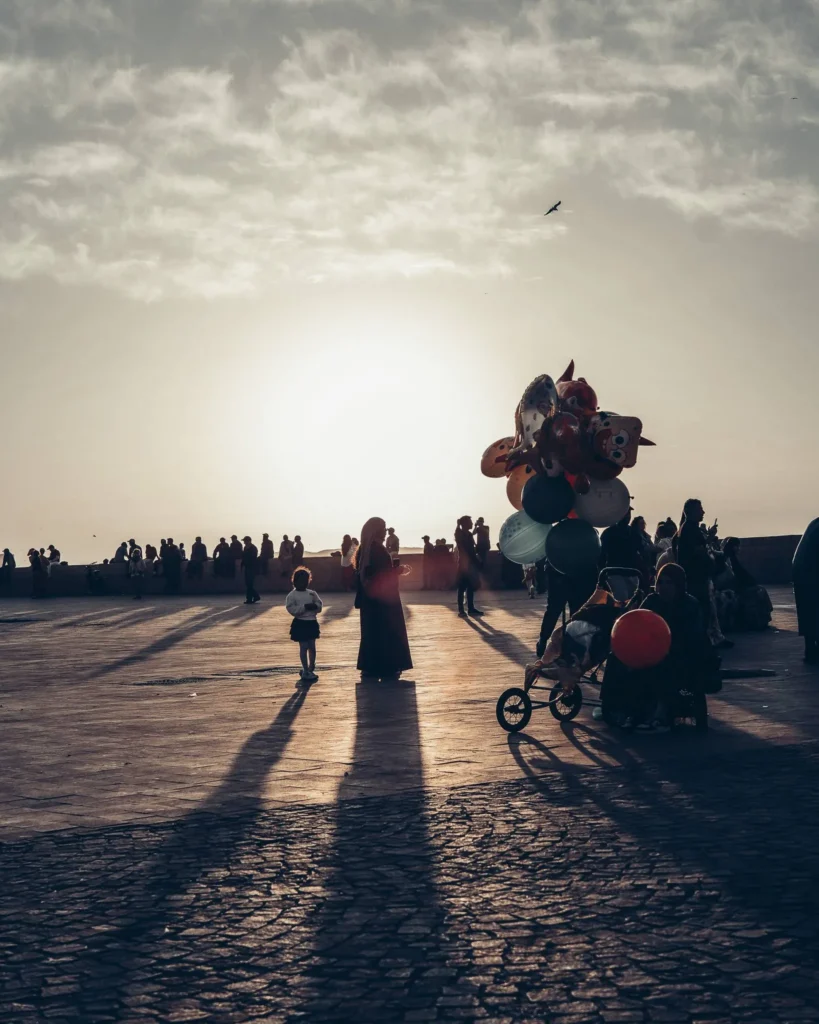
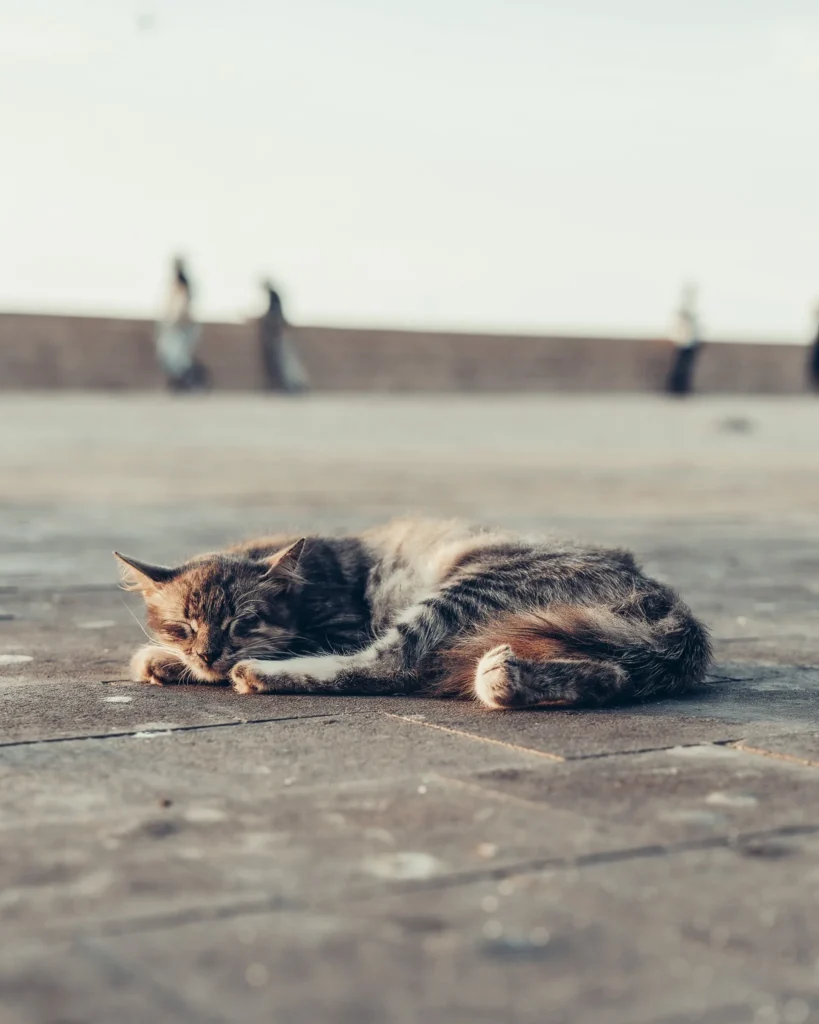
We started with it before heading to spend a few days in Marrakech, and we were right to do so: our very first image of the city is a sunset over Place Moulay el Hassan, the ocean right in front, the golden light hitting the ramparts. As an introduction, honestly, we could have done worse. And then, while walking through the alleys, we quickly understood who really ruled here: not the sultan, not the muezzin, but the true guardians of Essaouira, the cats. They are everywhere, calm, seeming to watch over every corner of the street, and in the morning we encounter them in the midst of their grooming while the medina wakes up.
Before going any further, here’s the video of our stay, it sets the tone (and you’ll see the famous cats in action).
Getting there from Marrakech: the plane, then the bus
So let’s say it right away: to get to Essaouira, there’s no need to rent a car or struggle. We landed in Marrakech, and from there we took the bus. The company Supratours (like CTM) provides direct service Marrakech – Essaouira several times a day, for about ten euros one way per person. Comfortable, with a break in the middle of the journey, and it drops you just steps from the medina.
Count about 190 km, or 2.5 to 3 hours of driving, crossing plateaus of argan trees where, if you’re lucky, you might see the famous goats perched in the trees. It’s really the simplest plan: you get on the bus, watch the landscape go by, and you arrive in the city of wind without having to deal with Moroccan driving.
Plan your trip: Morocco
Compare rental companies and book at the best price.
Booked on Trip.com — partner link.
Provided by Holafly, our partner.
5% off with code LAPLANETEDECARO
Booked on Holafly — partner link.
Where to sleep: our riad in the heart of the medina
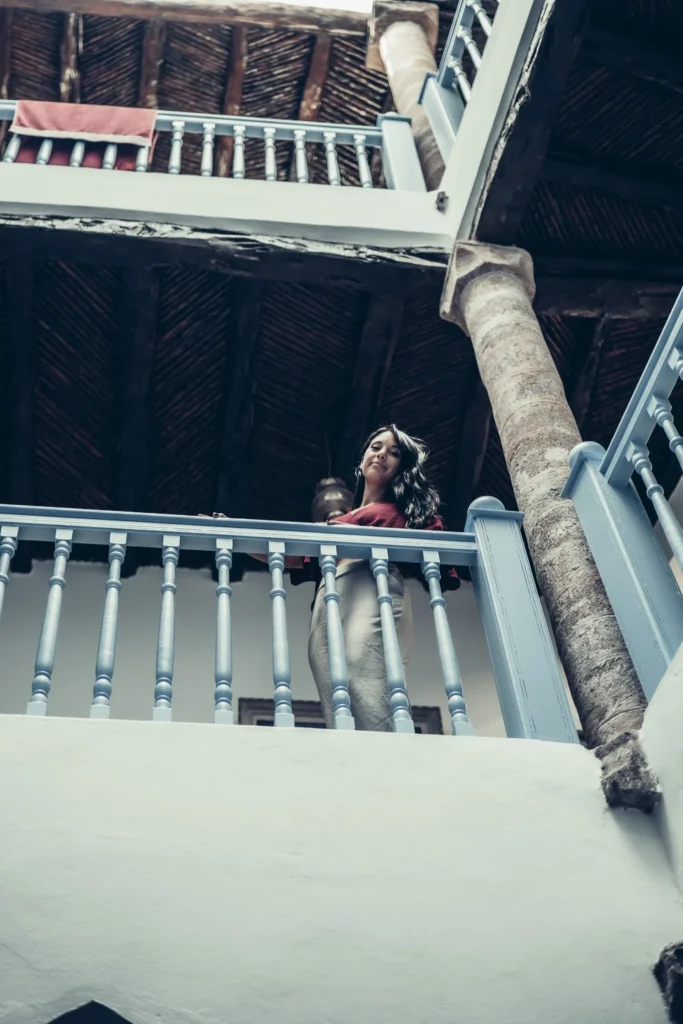
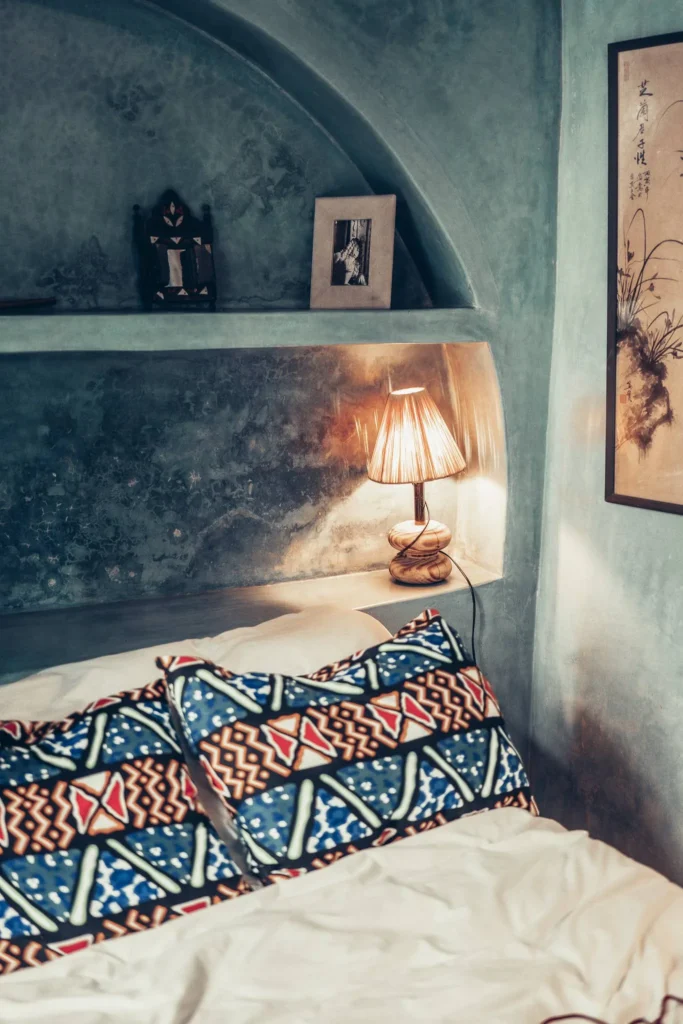
We dropped our bags at Riad El Rahala, right in the heart of the medina. And it’s a bit of the magical paradox of Essaouira: outside, it’s the labyrinth, the alleys, the noise of the merchants, but as soon as the riad door closes, it’s a true haven of calm. Lovely owners, Moroccan decor on every floor, and above all a breakfast served on the rooftops, facing the city waking up and the seagulls circling.
A piece of advice we learned on site: here life ends late, so cafes open late too (around 9-10 am). The first morning, we were looking for breakfast at dawn and there was nothing open, a rhythm a bit disorienting for us Europeans. So sleeping in a riad that manages breakfast also means avoiding the morning croissant shortage.
Mogador, the city of wind: two words of history
Before being called Essaouira, the city was named Mogador, and it’s still this name that we sometimes come across on old maps. In Arabic, as-Sawira means “the well-drawn” or “the little wall,” and it’s no coincidence: the medina was designed like a well-square checkerboard, which is quite rare in Morocco.
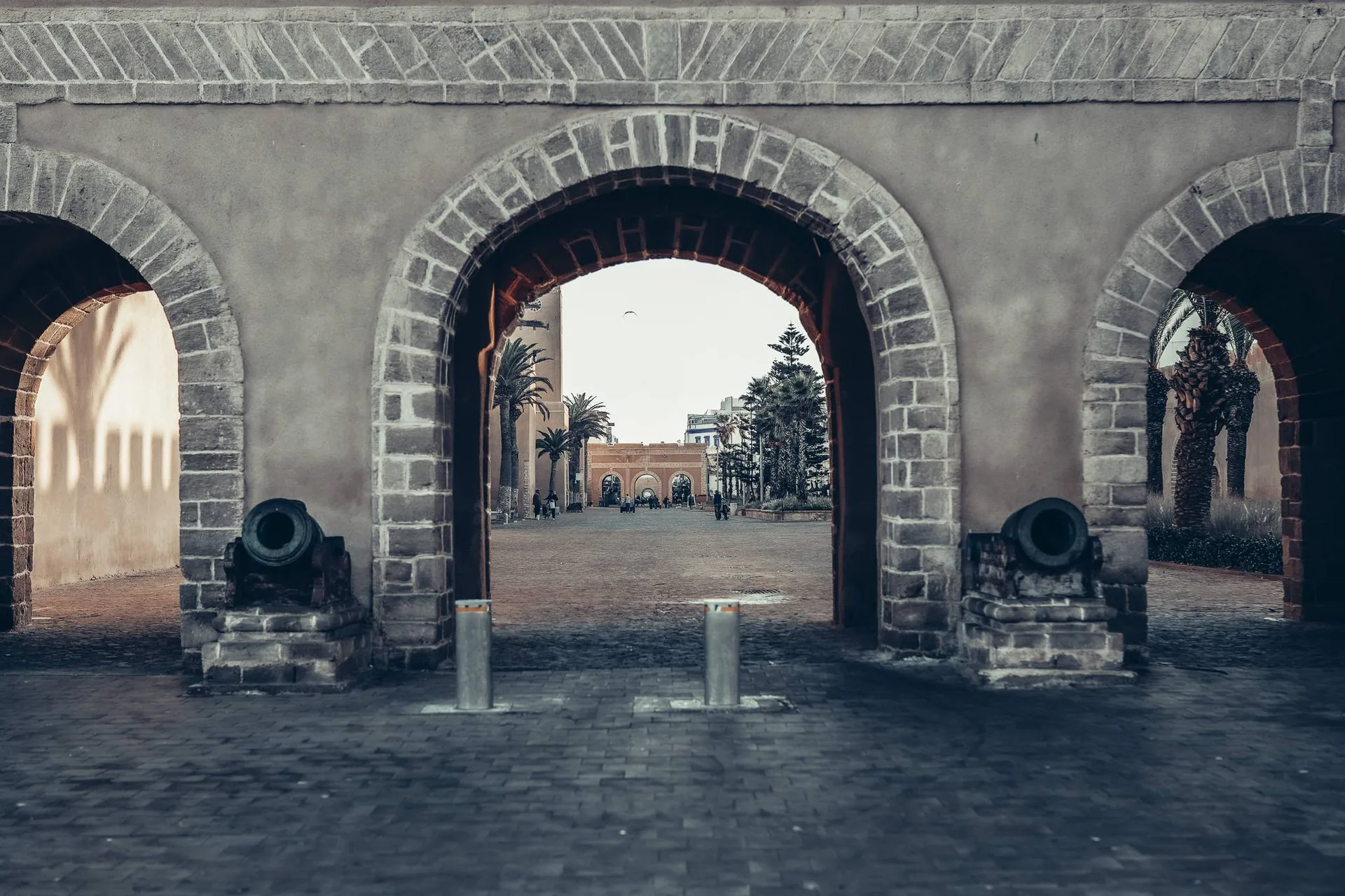
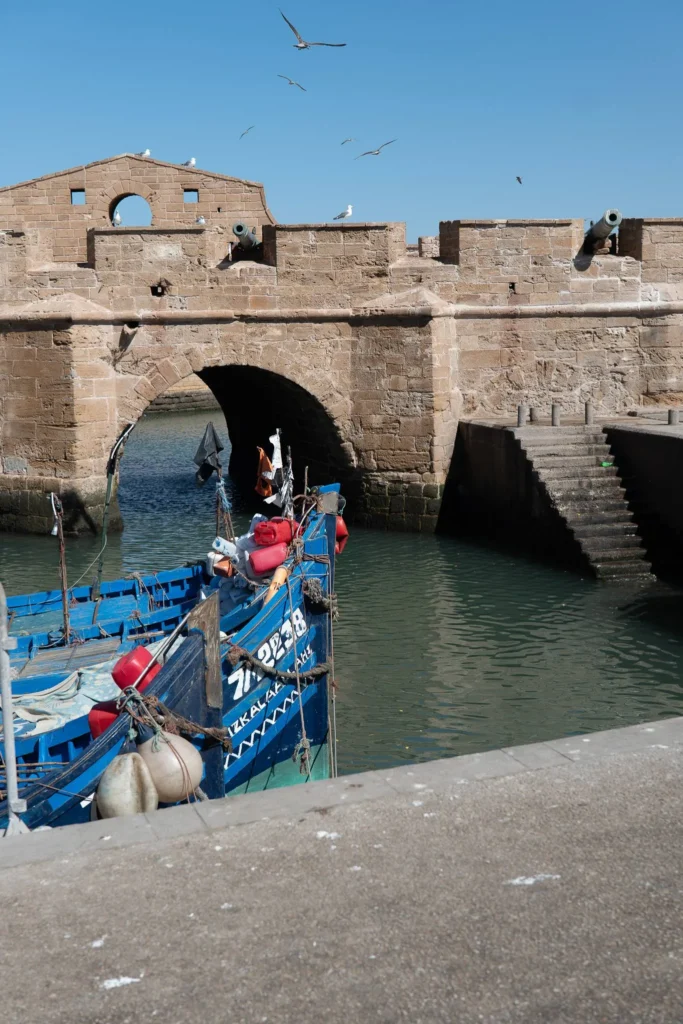
This regular layout is thanks to a Frenchman. Around 1760, the Alaouite sultan Sidi Mohammed ben Abdallah wanted to create a large trading port here, the Atlantic outlet for caravans coming from the Sahara (it was long nicknamed “the port of Timbuktu”). He entrusted the plans to the engineer Théodore Cornut, heir to the Vauban school. Hence these massive ramparts, these bastions, and these batteries of European cannons aimed at the ocean, which can be found at the Skala de la Ville.
The city experienced its golden age between the late 18th and 19th centuries, driven by its merchants, including a significant Jewish community settled in the mellah. And if all this heritage still stands so well, it’s not by chance: the medina of Essaouira has been classified as a UNESCO World Heritage site since December 2001.
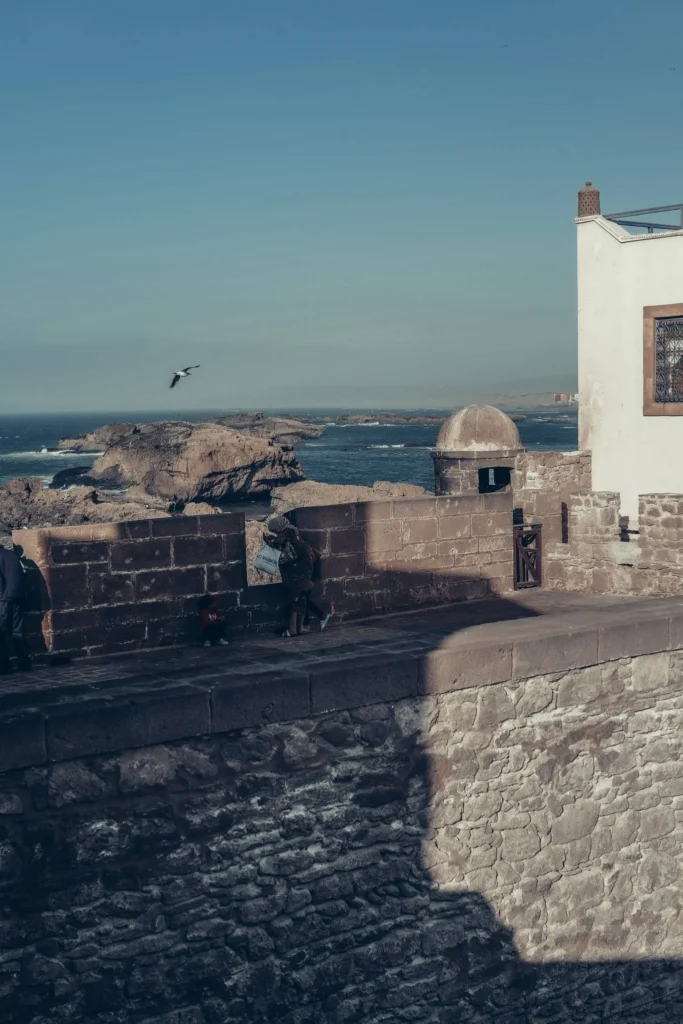
Remaining is the main character of this whole story: the wind. Essaouira truly lives up to its nickname as the city of wind, due to the trade winds blowing from the Atlantic for much of the year. The day we emerged onto the ramparts, it was blowing so hard that it almost blew my brain out (thankfully the walls protect the interior of the city). This wind is the signature of Essaouira: it cools in the summer and has made the city famous among kite surfers.
What to see in Essaouira: the medina, the ramparts, the fish market
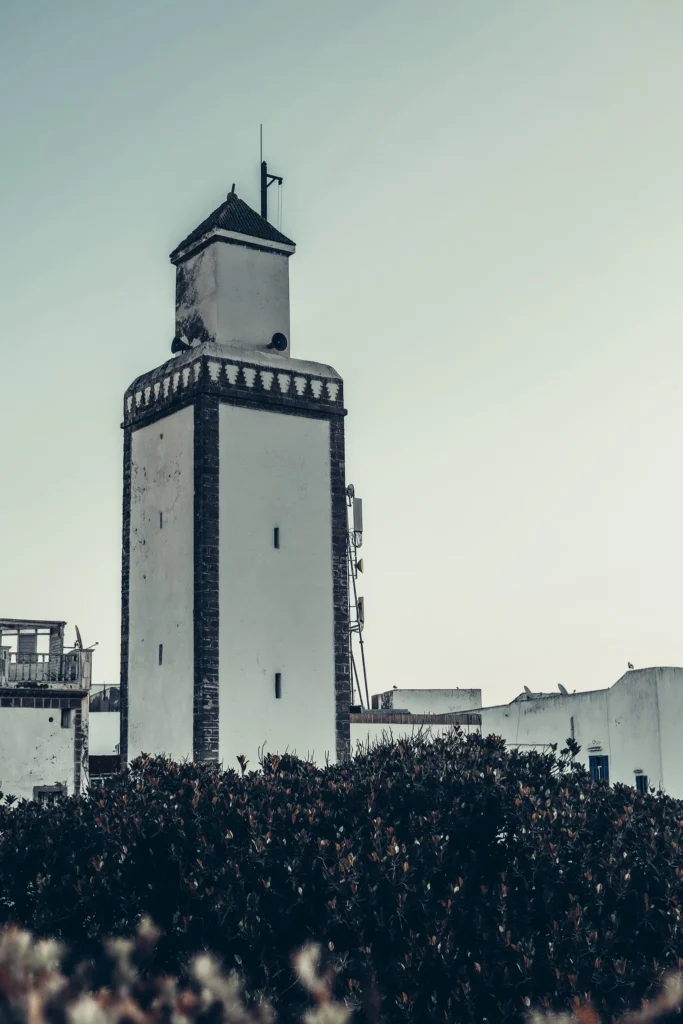
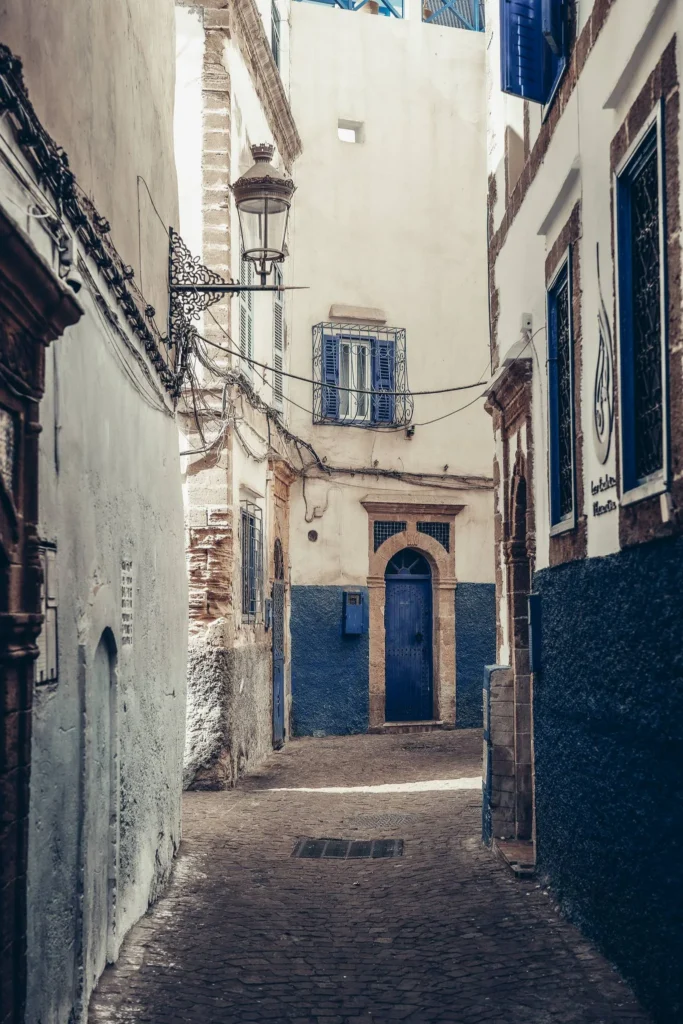
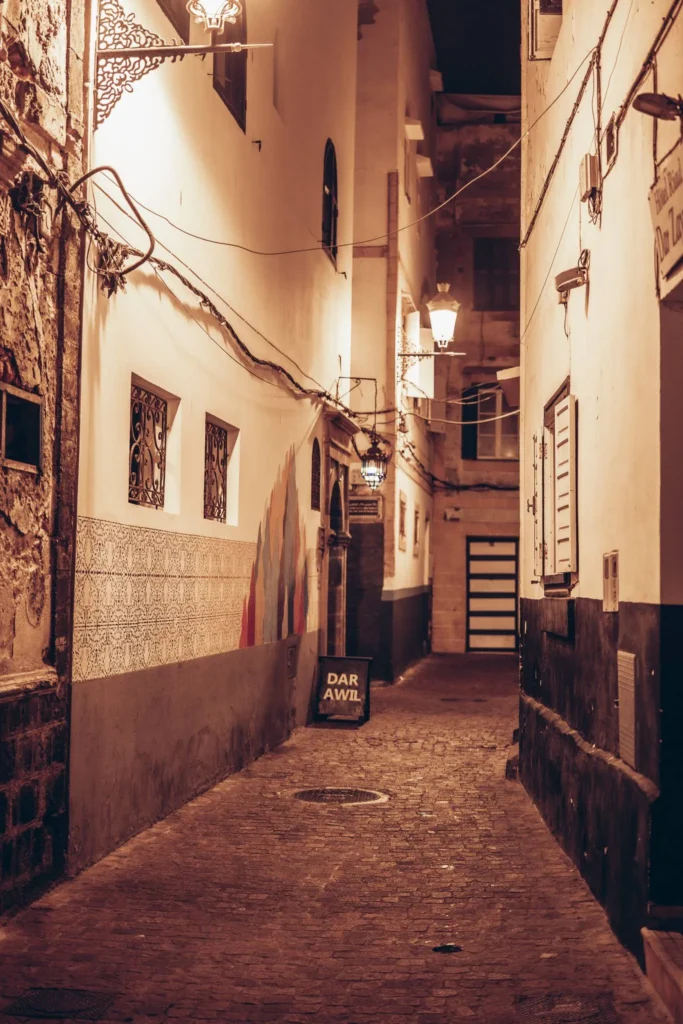
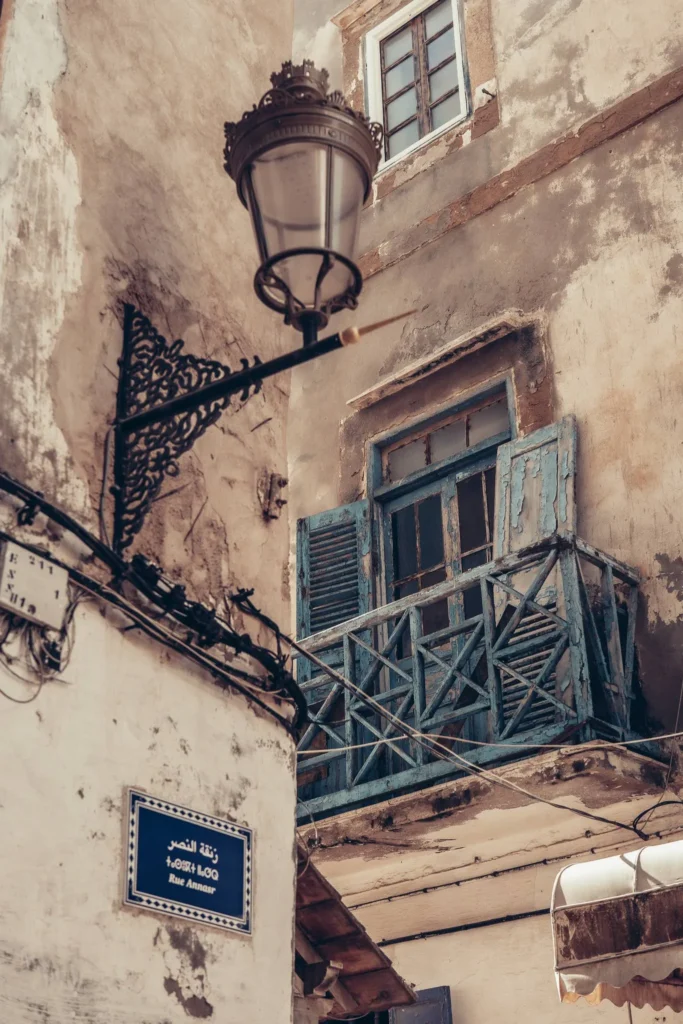
The medina is the heart of the visit, and it’s a real labyrinth. The best thing to do is to get lost on purpose: we wandered without a plan, just to enjoy the facades, the wooden doors sometimes painted blue, the shutters and the colors. Here, everything is in two shades, white and blue, with touches of yellow, creating a soft ambiance, almost timeless.
One thing that really helps in this maze is having internet directly on your phone (an eSIM, in our case), to find your riad, a restaurant, or a meeting point without wandering around for an hour. We’ve struggled to find a local SIM card upon arriving in other countries, and here we completely avoid the problem.
For Morocco, we set off with a Holafly eSIM, activated quietly before taking off to have data as soon as we landed. If you’re interested, there’s a discount of -5% with the code LAPLANETEDECARO. And if you want to calmly compare all the options (your home plan in roaming, local Moroccan SIM, eSIM), we detailed all that in our dedicated connectivity guide for Morocco.
Which unlimited SIM card for a trip to Morocco?
What internet connection to use during a stay in Morocco? This question is frequently asked by travelers. We have explored the various options available in Morocco in this comprehensive article....
Read moreFollowing the wind, we always end up at the ramparts and the Skala de la Ville, this long terrace of cannons facing the Atlantic. A little anecdote for enthusiasts: these walls served as a backdrop for Game of Thrones, where Essaouira played the city of Astapor. And just below, there’s the place we preferred: the fishing port, with its fish market. There, the change of atmosphere is immediate, between the fishermen unloading, the seagulls squawking, the cats hoping for a fish, and the famous blue boats lined up, one of the symbols of the city.
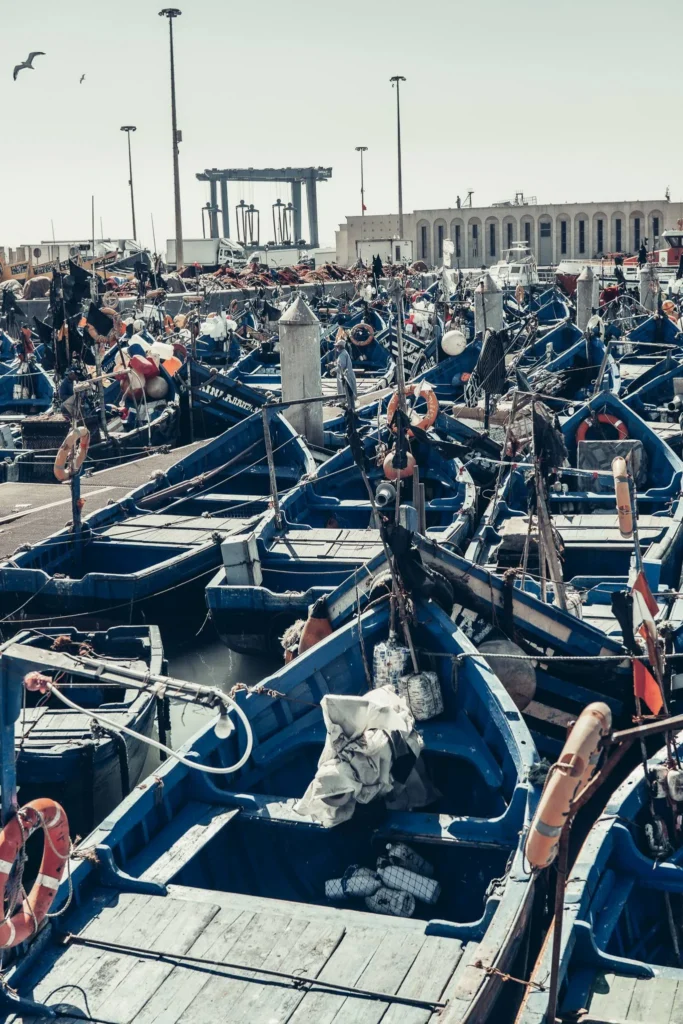
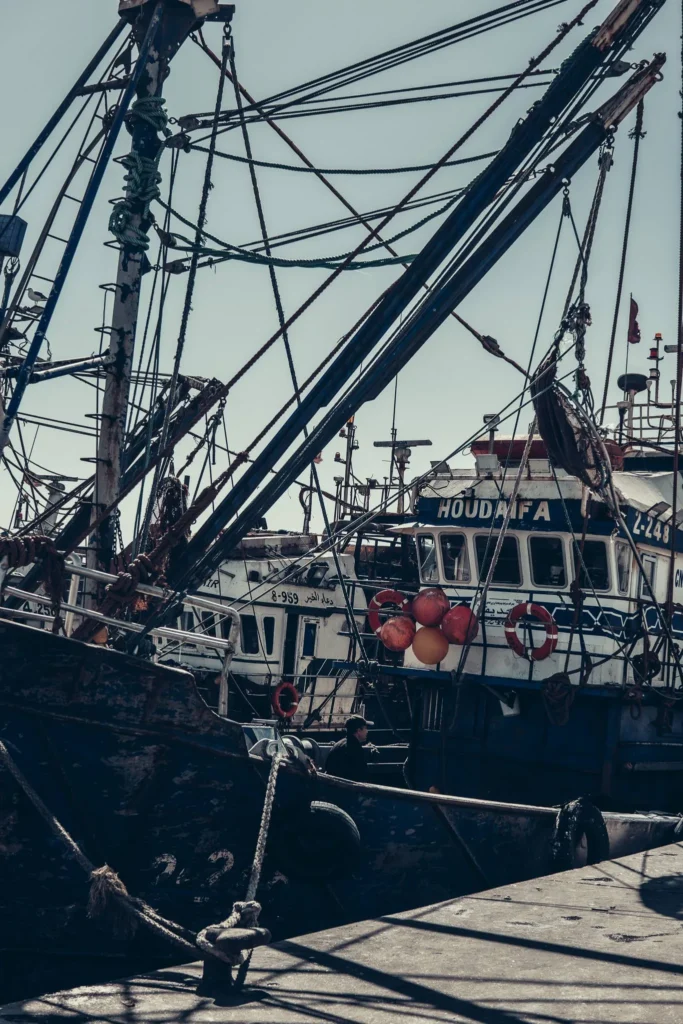
If you’re wondering how to fit all this in, here’s how we explored Essaouira in a day, from morning coffee to sunset. And if you have a second day ahead of you, save it for the beach, a kite session, and the road to Marrakech.
Our typical day in Essaouira, hour by hour
A day in the medina, from morning coffee to sunset
The main square, the ramparts, mint tea at Abdou's, a Moroccan lunch, the fish market and the beach to finish in style.
- MorningPlace Moulay el Hassan
We start at the large square overlooking the ocean, a café on the terrace, time to feel the rhythm of the city (and count the cats).
- MorningSkala of the City & ramparts
The 18th-century cannon terrace facing the Atlantic, one of the backdrops of Game of Thrones. Be careful, it’s breathtaking.
- Late morningHerboristerie d'Abdou (Abdulhadi)
We stroll through the yellow and blue alleys to Abdou's little shop for an Atlas Berber tea and some good visiting tips.
- MiddayLunch at Adwak
Our best dishes of the stay: tajine, zaalouk, couscous. For a pastilla, head over to Tagna 8, right next door.
- AfternoonThe fish market and the blue boats
Head to the fishing port for its famous lined blue boats, seagulls, and watchful cats. The official fish market takes place in the afternoon, around 3 PM to 5 PM (closed on Sundays); in the morning, it's the boats returning.
- EveningSunset on the beach
We end up on the large beach south of the medina, between the kitesurfers' sails and the golden light, before heading back to have dinner in the illuminated alleys.

We're Caroline and Xavier
We drive to a place, stay long enough to get it wrong a few times, then write the guide we wish we'd had: parking, timing, what's worth the detour.
Ce que vous souhaitez recevoir :
The wind, surfing, and the beach
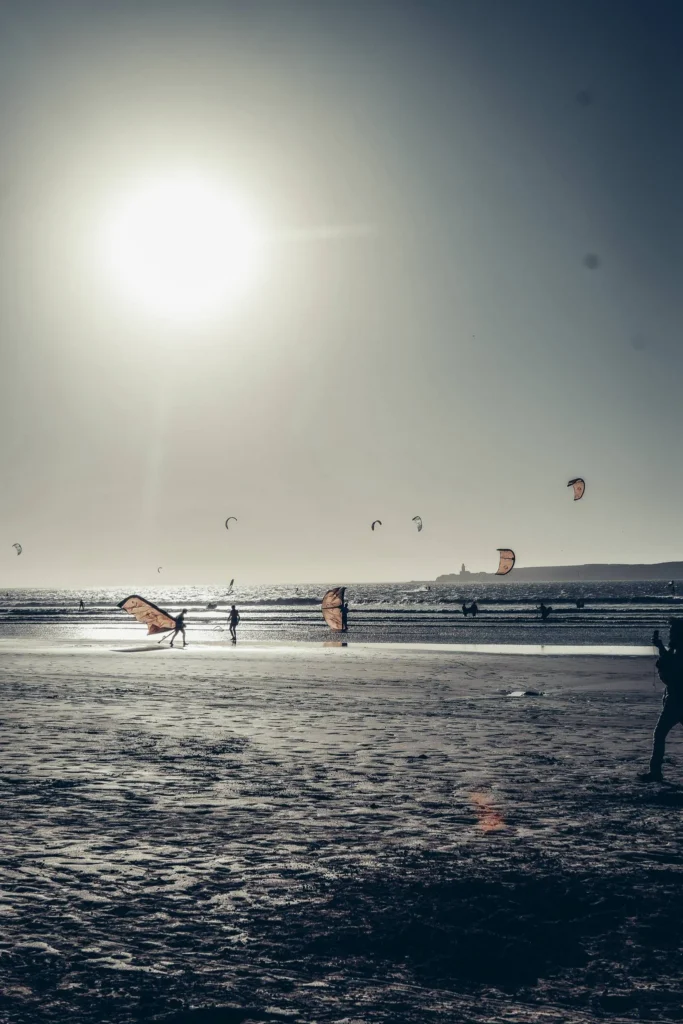
When you say city of wind, you inevitably think of sliding sports. Essaouira is one of the world capitals of kitesurfing and windsurfing, and from the ramparts, you can see a true ballet of sails offshore. Even if you don’t get on a board, it’s a spectacle in itself, especially at the end of the day when the light fades.
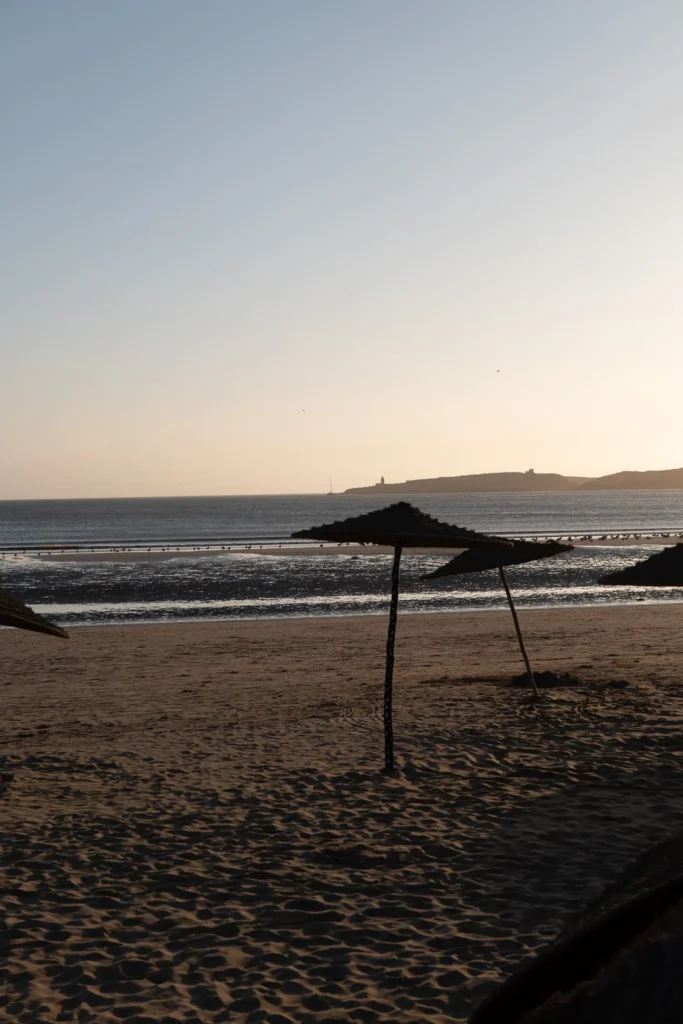
The large beach stretches south of the medina, and the more you walk, the more you encounter people: surfers, joggers, but also horses, quads, and even camels offered to tourists. We didn’t try the camel ride (that will be for next time), but at sunset, on that vast sand, it must be worth the look.
Craftsmanship, herbalists, and encounters
If there’s one thing that fascinated us in Morocco, it’s the place that plants, herbs, and spices occupy in everyday life. Herbal shops are part of the decor, and it’s in one of them, a tiny shop, that we made one of the most beautiful encounters of our stay: Abdulhadi, whom everyone calls Abdou.
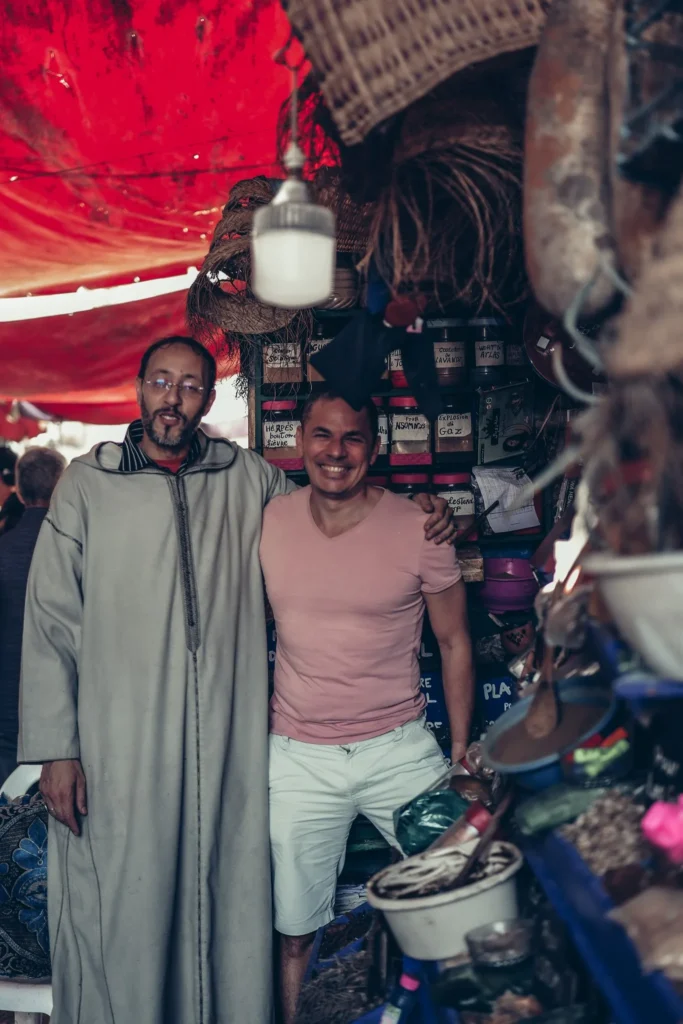
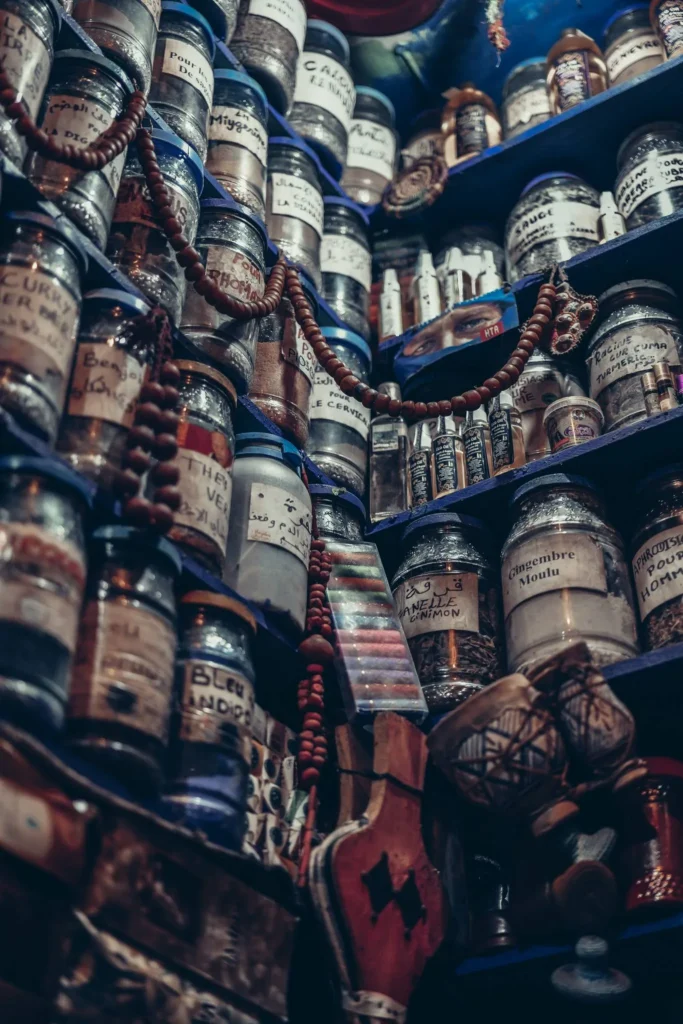
He invited us to drink traditional Berber tea, Atlas tea, preparing the mixture in front of us: juniper berries (the ones used to make gin, as he cheekily points out), naturally sweet Moroccan cinnamon, and Kelâat M’Gouna rose, the valley of roses. Beyond the tea, he gave us plenty of good visiting tips, and it was on his recommendations that we strolled around the old Jewish quarter.
A little further on, we met Mohamed, another merchant, who sold us his ginseng, which he jokingly calls his “turbo Viagra,” reputed to be an aphrodisiac and good for circulation. And it was I who summed it up out loud: I’m the one taking it, and it’s Caroline who reaps the benefits (there you go, now you know everything). There’s also the city’s iconic craftsmanship, thuya wood: thuya burl, with its swirling patterns, has been worked here from generation to generation, and we left with a very clear desire for an extra bag to bring everything back.
Where to eat in Essaouira
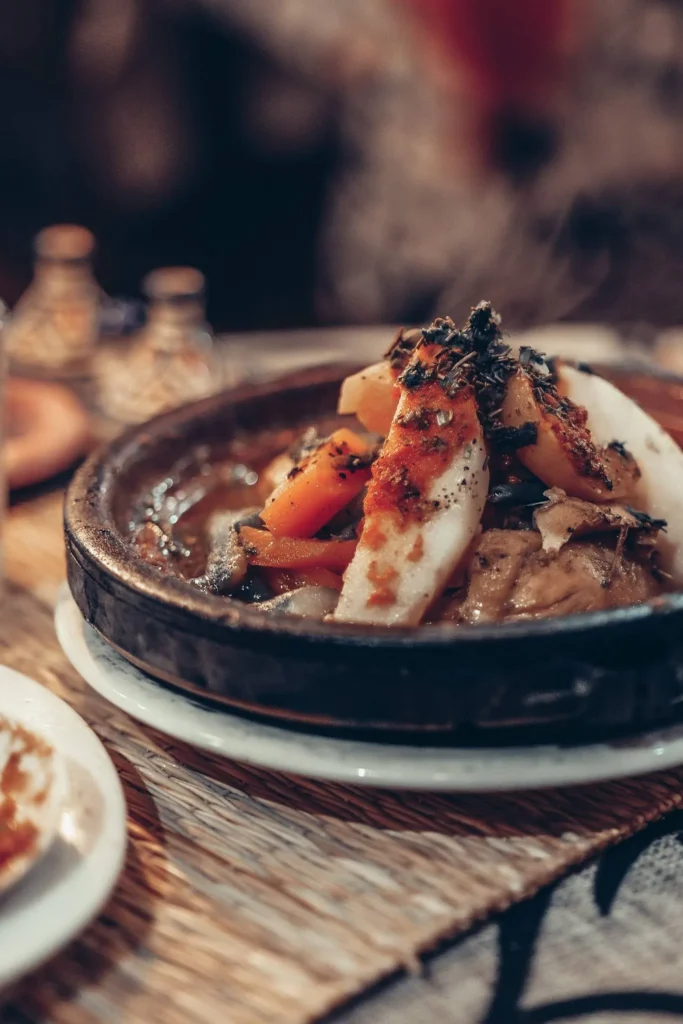
We found our best address on the very first night, and we went back a second time because we loved it so much: Adwak, in the medina. Chicken tagine with preserved lemons, zaalouk (that melting eggplant puree you could eat by the spoonful), couscous, small appetizers with olives and harissa… it’s a real safe bet, no fuss and generous. When you go back twice to the same restaurant on such a short stay, honestly, the message is clear.
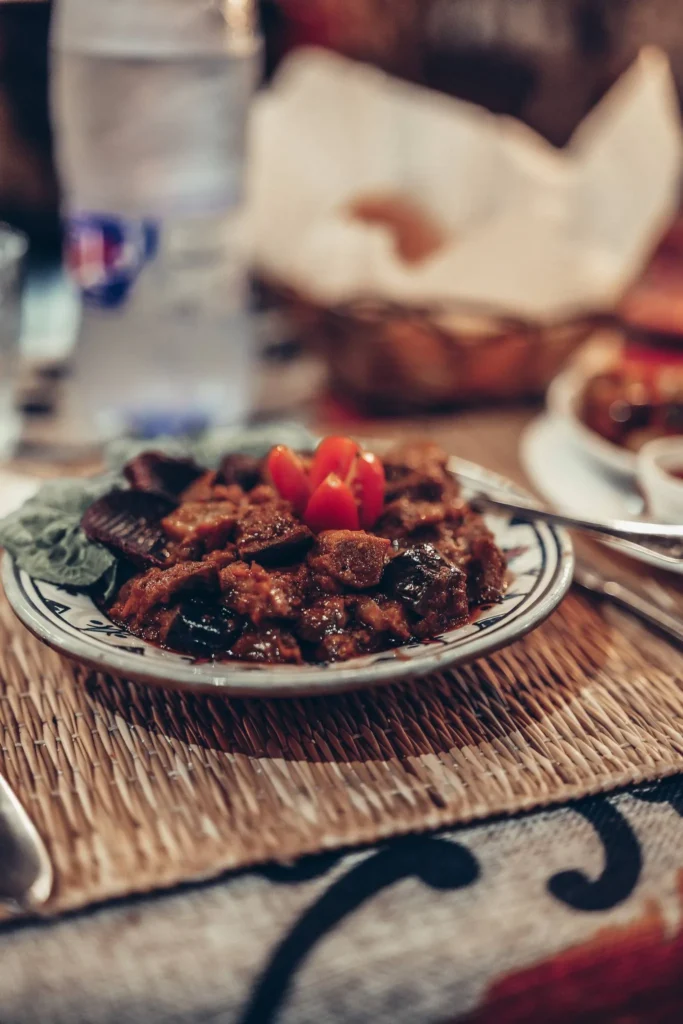
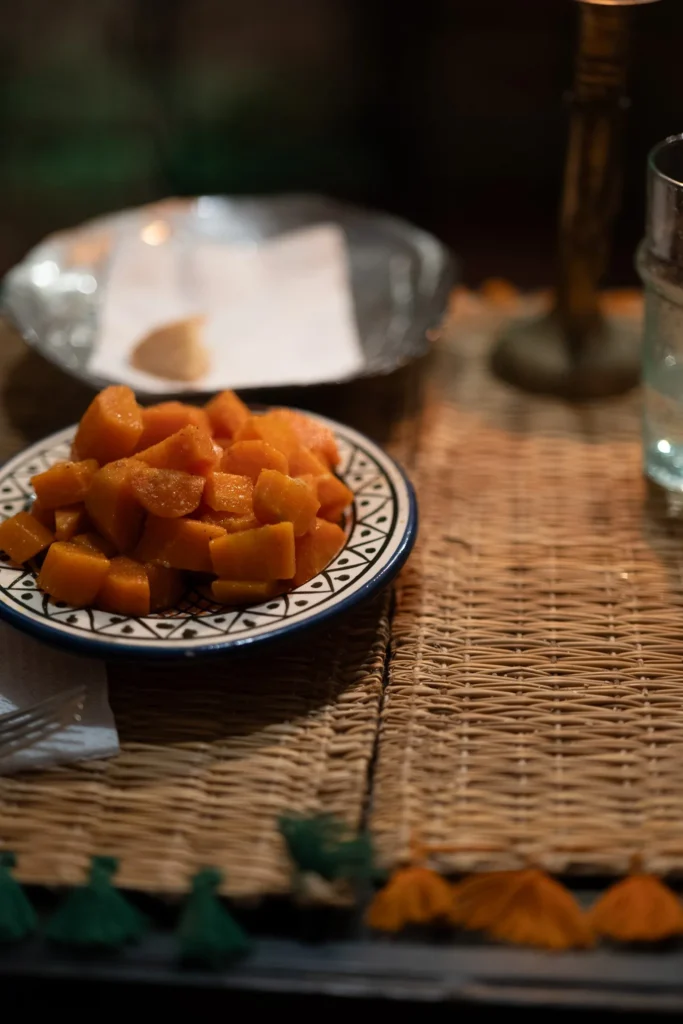
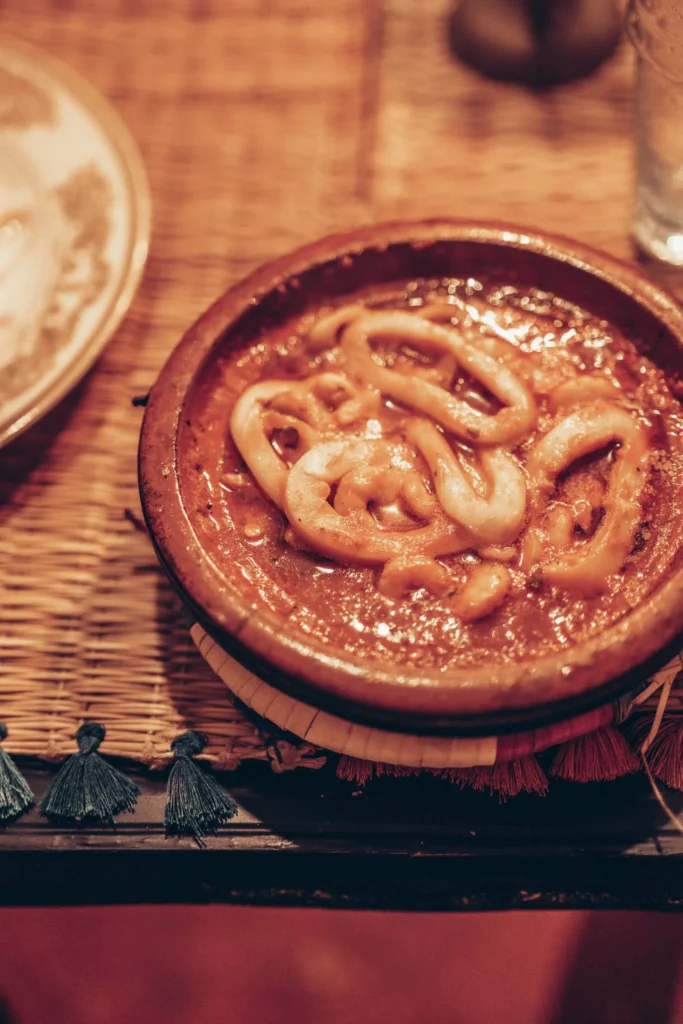
Our second table was thanks to a couple of French people we met upon arrival, who were eager to pass on their good tips before leaving. Head to Tagna 8, still in the medina, for a chicken pastilla for about ten euros, preceded by small chermoula-marinated carrots with cumin, bread, and a pepper sauce. Caroline had the pastilla, I had a shrimp and squid tagine, and we finished with a fruit salad with yogurt. No need to reserve, we enjoyed ourselves.
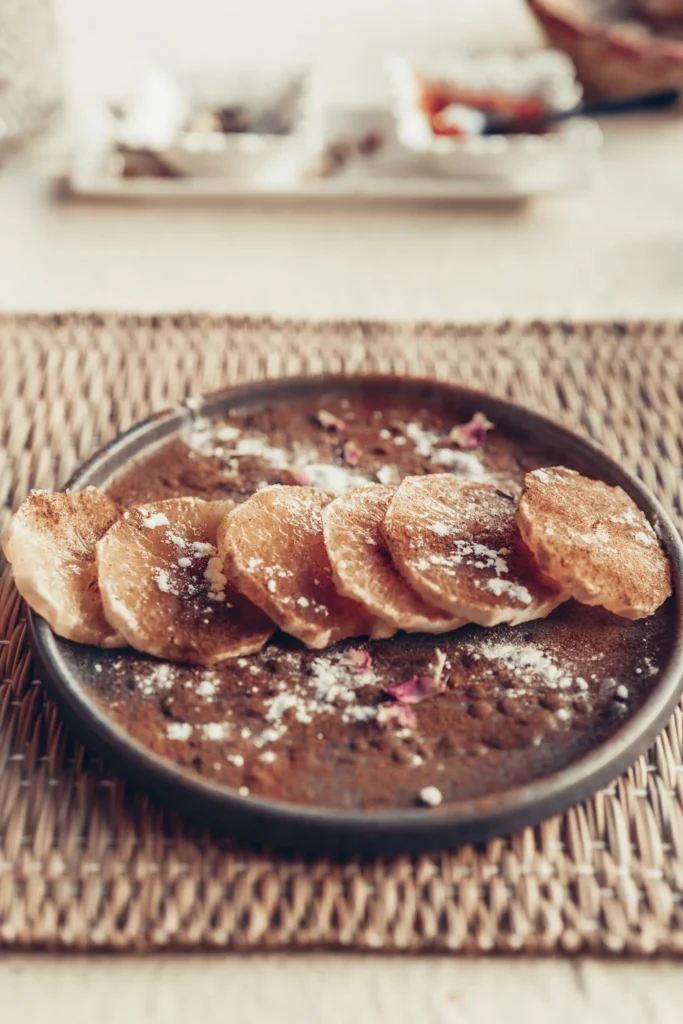
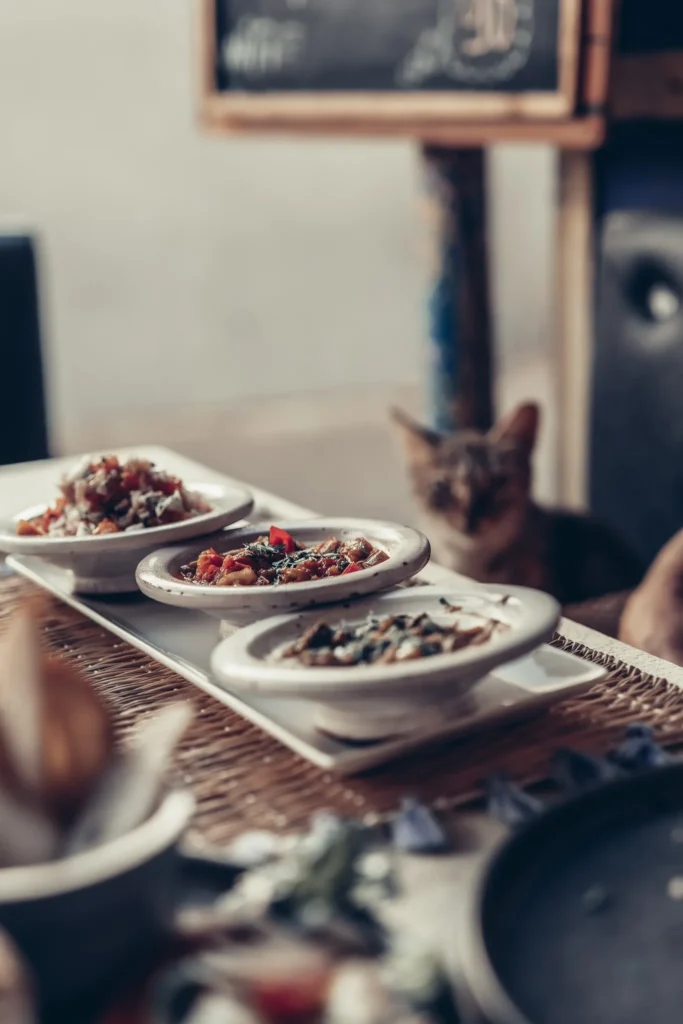
And then there’s the third, the one we had spotted for its desserts and kept in reserve. I had grilled sardines with traditional harissa (be careful, it’s spicy, but it really depends on the palate), Caroline had an assortment of Moroccan salad. But it was indeed the desserts that impressed us: an orange with cinnamon and powdered sugar, and an ultra-liquid yogurt flavored with rose and orange blossom. A delight, and as everywhere, a cat was never far from the table.
Is it worth it?
Honestly? Yes, without hesitation. Essaouira is the kind of city where we must have passed the same places fifteen times, and where each time we discovered a new passage, a new shop, a decoration we hadn’t seen. Here, you will never have seen it all, even thinking you’ve done everything, and that’s precisely what makes you want to come back.
We won’t lie to you: we didn’t do everything. No camel ride, no kite session, no trip into the hinterland of argan trees. We left with a little list of “next time,” and that’s just fine. For a first contact, this Atlantic city all in blue clearly caught us off guard. We will return, promise.
Essaouira: an idea of the weather
The climate of Essaouira is mild almost all year round, cooled by the ocean and the trade winds. Here’s the weather for the next few days to help you prepare your bag (bring a sweater for the evenings, it gets cool and humid as soon as the sun sets).
Essaouira : a glimpse of the weather
5-day forecast
Fancy a last-minute trip? Here's the 5-day forecast to help you decide.
Monthly climate
We prefer sunny days without too much rain, but everyone has different tastes! Here's the monthly climate to help you choose your ideal time.
| Month | Min temp | Max temp | Rain | Weather | Rating |
|---|---|---|---|---|---|
| October | 17°C | 24°C | 7 mm | ☀️ | |
| November | 15°C | 22°C | 33 mm | ☀️ | |
| December | 11°C | 19°C | 118 mm | 🌦️ | |
| January | 11°C | 18°C | 163 mm | 🌧️ | |
| February | 13°C | 21°C | 28 mm | ☀️ | |
| March | 13°C | 20°C | 97 mm | 🌦️ | |
| April | 15°C | 22°C | 43 mm | ☀️ | |
| May | 17°C | 23°C | 2 mm | ☀️ | |
| June | 18°C | 24°C | 2 mm | ☀️ | |
| July | 20°C | 26°C | 0 mm | ☀️ | |
| August | 20°C | 27°C | 0 mm | ☀️ | |
| September | 21°C | 28°C | 3 mm | ☀️ |
Essaouira on the map: our addresses
To help you find your way, we’ve gathered all the places we talked about on a map: our riad, our restaurants, Abdou’s herbal shop, the ramparts of the Skala, the sunset square, and the port. Click on each marker for the address and information.
Essaouira : Places we can tell you about
Here's our selection of places in Essaouira: spots we've visited that might be useful to you. Use the list view to discover each address in detail, and export everything to add to Google Maps or your favorite GPS app.
| Place | Address | Download |
|---|---|---|
| Riad El Rahala | 25 Rue Zallaqa, Essaouira 44000, Maroc |
| Place | Address | Download |
|---|---|---|
| Tagna 8 | 1 Rue Moulay Azouze, Av. Sidi Mohamed Ben Abdellah, Essaouira 44000, Maroc | |
| Adwak | Rue de Tetouan n.2, Av. Sidi Mohamed Ben Abdellah, Essaouira, Maroc |
| Place | Address | Download |
|---|---|---|
| Abdulhadi Herbalist | Medina, Essaouira 44000, Maroc | |
| Essaouira port fish market | Port de peche, Essaouira, Maroc |
| Place | Address | Download |
|---|---|---|
| Skala of the City | Rue de la Skala, Medina, Essaouira, Maroc |
| Place | Address | Download |
|---|---|---|
| Place Moulay el Hassan | Place Moulay Hassan, Medina, Essaouira, Maroc |
Essaouira: frequently asked questions
What was the former name of Essaouira?
Essaouira was called Mogador, the name still used in the West until the 20th century. In Arabic, as-Sawira means "the well-designed" or "the little wall," referring to the grid plan of its medina.
Who built the ramparts of Essaouira?
The fortified medina was commissioned around 1760 by the Alaouite sultan Sidi Mohammed ben Abdallah, who entrusted the plans to the French engineer Théodore Cornut, heir to the Vauban school. Hence this very regular checkerboard plan and these cannon bastions facing the ocean.
How to get from Marrakech to Essaouira?
Count about 190 km, or 2h30 to 3h of driving. The easiest option is the bus: the companies Supratours and CTM provide direct connections several times a day, for around ten euros one way. No need to rent a car to get to Essaouira from Marrakech.
Why is the wind so frequent in Essaouira?
Essaouira is nicknamed the city of wind because of the trade winds, these regular winds that blow from the Atlantic for much of the year. This is what cools the city in summer and makes it one of the world capitals of kitesurfing and windsurfing.
What are the inhabitants of Essaouira called?
They are called the Souiris (from as-Sawira). The city has long been home to a significant Jewish community, very active in the port trade, of which the mellah (the old Jewish quarter) still bears traces.
What is the best time to visit Essaouira?
The climate remains mild all year round thanks to the ocean. The spring and autumn are ideal for wandering around the medina. Summer is windy (perfect for kite surfing, less so for sunbathing peacefully), and by the end of June the city comes alive with the rhythm of the Gnaoua and World Music Festival.
PS: we counted, in Essaouira there are officially more cats than tourists, and they know it. If one of them sits at your table during the sardines, it means they’ve adopted you. As for Mohamed’s ginseng, we’ll set the packet aside, we’ll let you guess who reaps the benefits.
Morocco, and the road after
Two years of full-time van life, and the Algarve as our base ever since. We still hit the road, by van or otherwise, and we write up what we find along the way. An email when we have something to say, no more.
Ce que vous souhaitez recevoir :