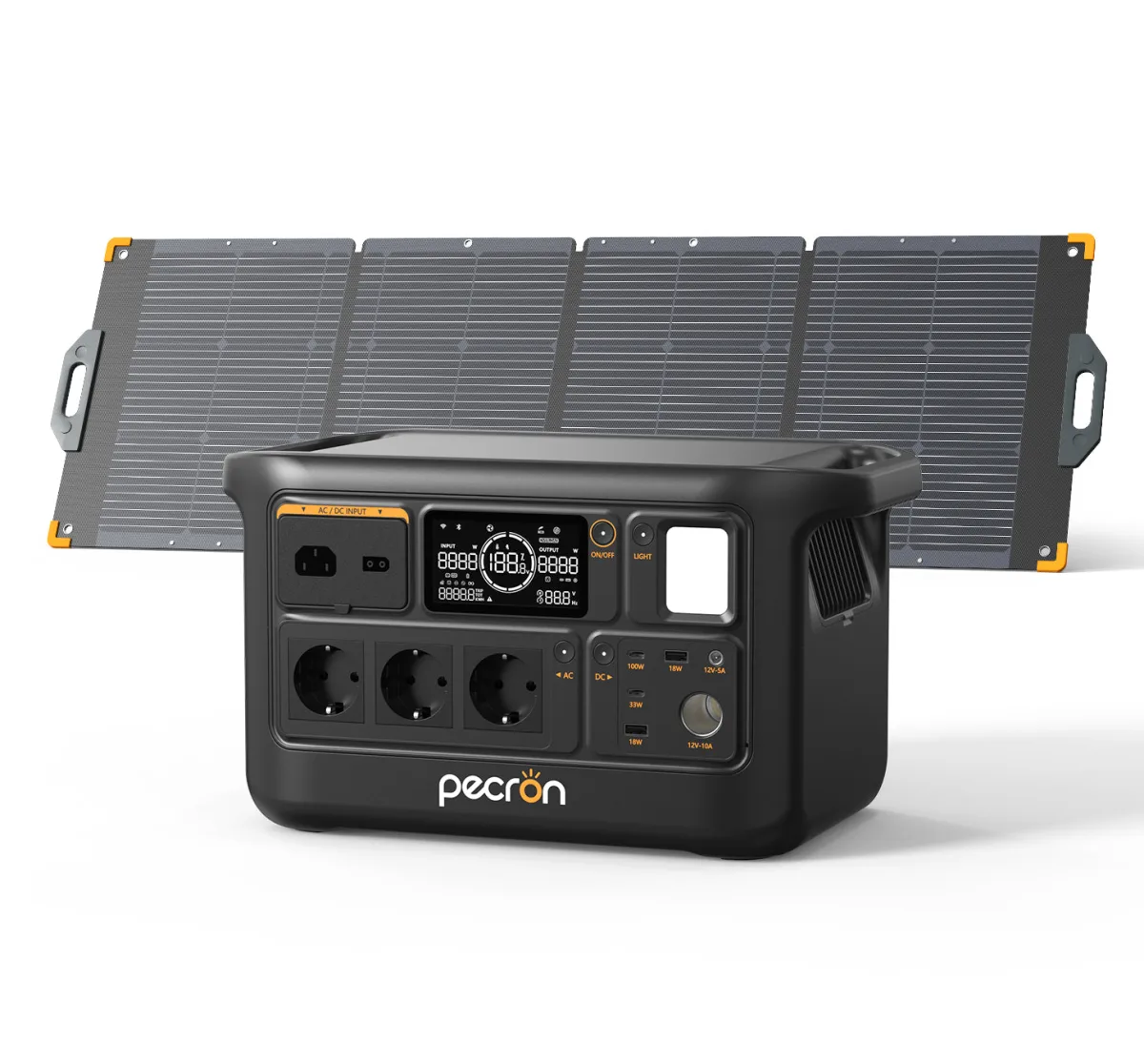
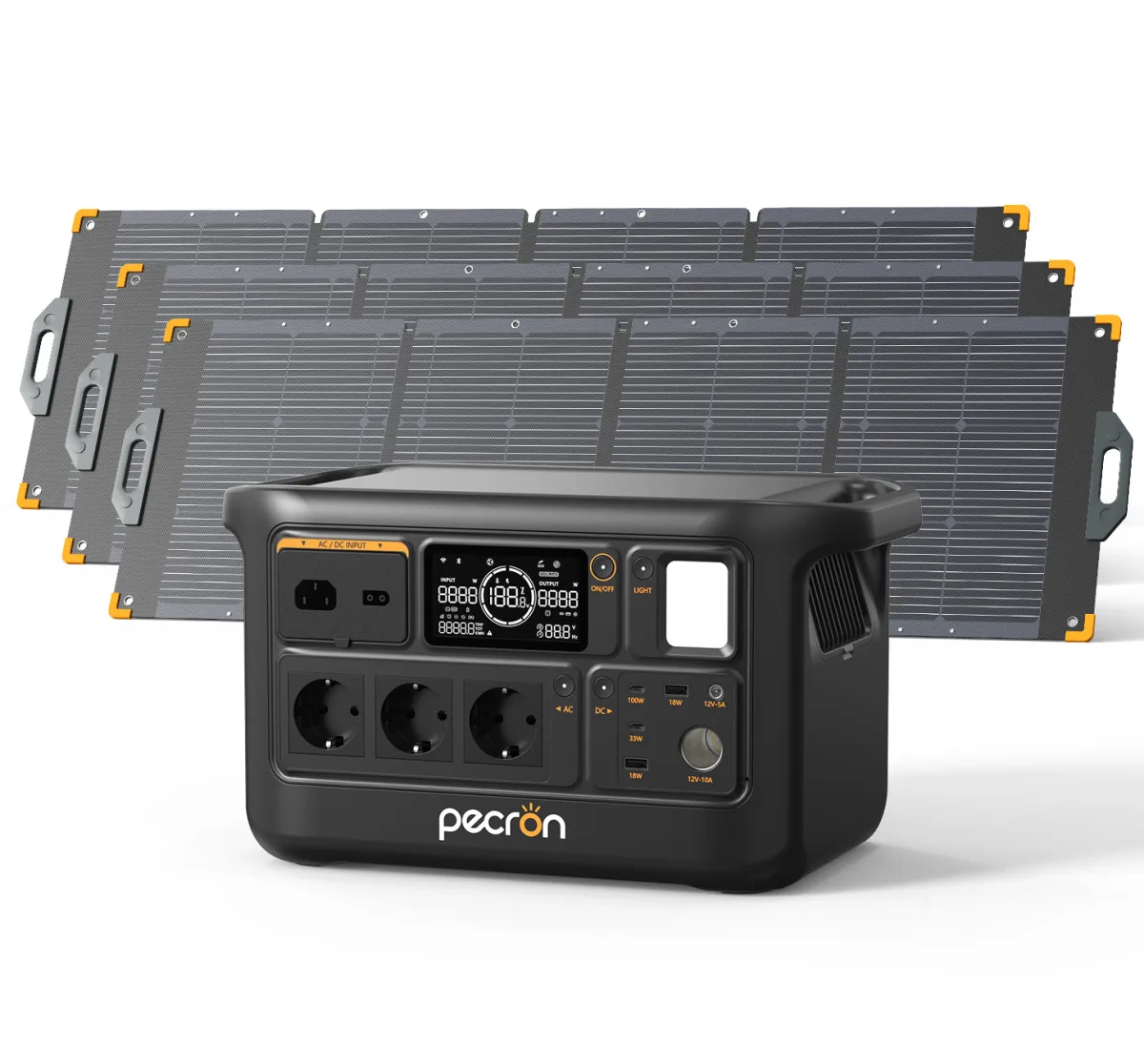
Pecron F1000LFP: portable power station 960Wh LiFePO4
PECRON**Verified price on 1 October 2026. The final price may vary.
Portable LiFePO4 power station of 960 Wh and 1500 W pure sine wave, compact and durable (3500 cycles). Three 230 V sockets, 600 W solar charging and 1000 W mains, UPS function. The good capacity-price ratio for small camper vans and home backup.
Why use our link and our code?
Video
Description
The Pecron F1000LFP honestly plays the capacity-price ratio card. A portable power station of 960 Wh, a LiFePO4 chemistry, a 1500 W pure sine wave inverter, all at an entry-level price: Pecron positions itself as a challenger to EcoFlow and Bluetti, and in this specific segment, the bet seems quite successful.
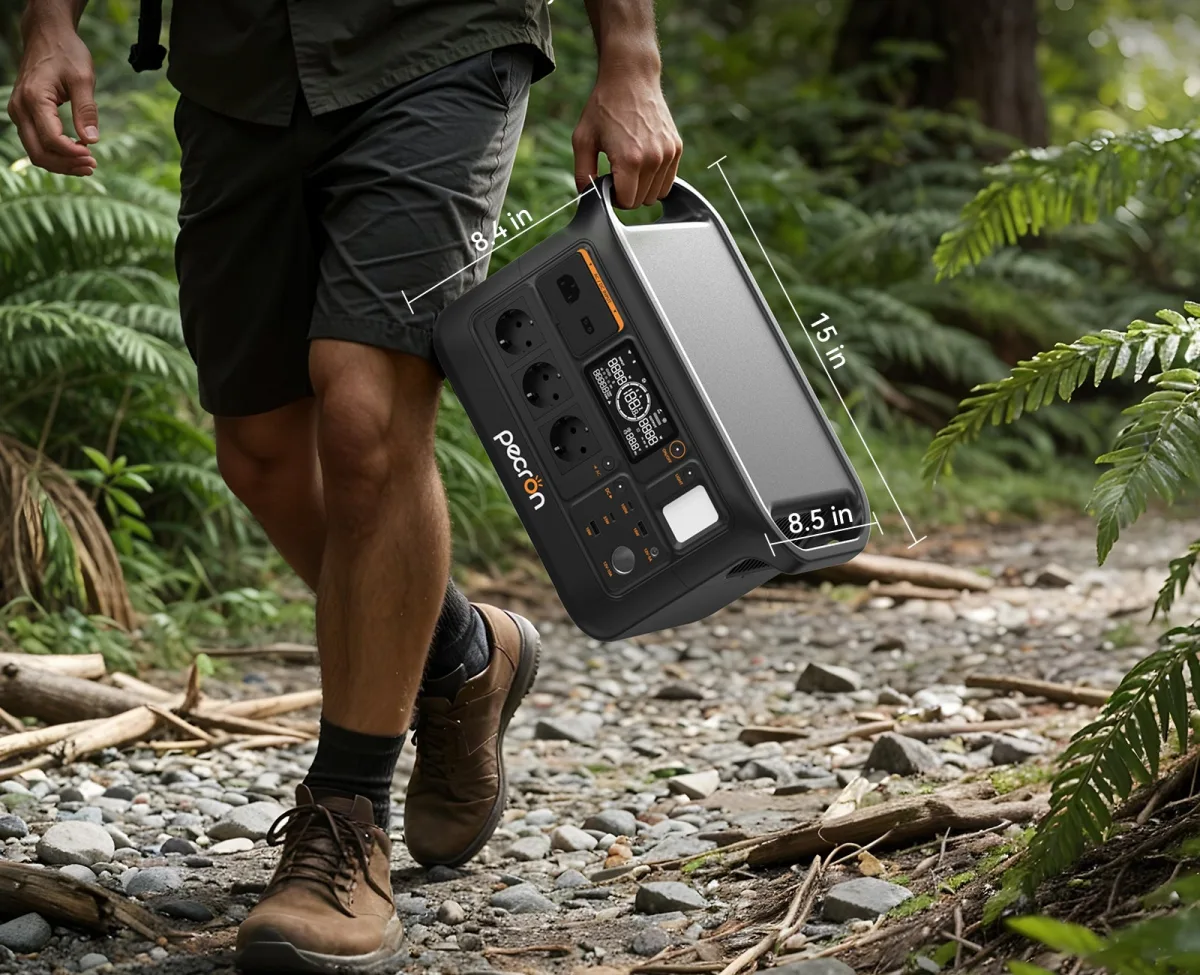
In our usage ranking, we place it among the compact versatile stations. At 960 Wh and 10.8 kg, it remains a unit that can be lifted with one hand and slid under a bench. We mainly see it for small camper vans and weekend vans, much less for the large van that draws continuously, because its battery is not expandable (we'll come back to this later, that's the real downside).
A small honest clarification: we haven't plugged it in ourselves. What we say here is based on its actual specifications and on test benches from creators who have put it through its paces. When we have it in hand, we will supplement with real experience.
Who is this Pecron F1000LFP for?
It's a station for those who want LiFePO4 without spending a premium brand budget. Specifically, it targets:
- The small camper vans and weekend vans: enough to power the fridge, recharge phones, run the coffee maker and the computer without a generator.
- Home backup and remote work: in case of a power outage, its UPS function takes over almost instantly for the box, PC, and a few essential devices.
- The traveler who prioritizes economic sense: 1500 W output and a real long-lasting battery for the price of a much smaller competitor.
However, if you live year-round in a large power-hungry van, consider looking for a modular expandable station: the F1000LFP does not accept an additional battery, what you buy is what you have.
The features to know
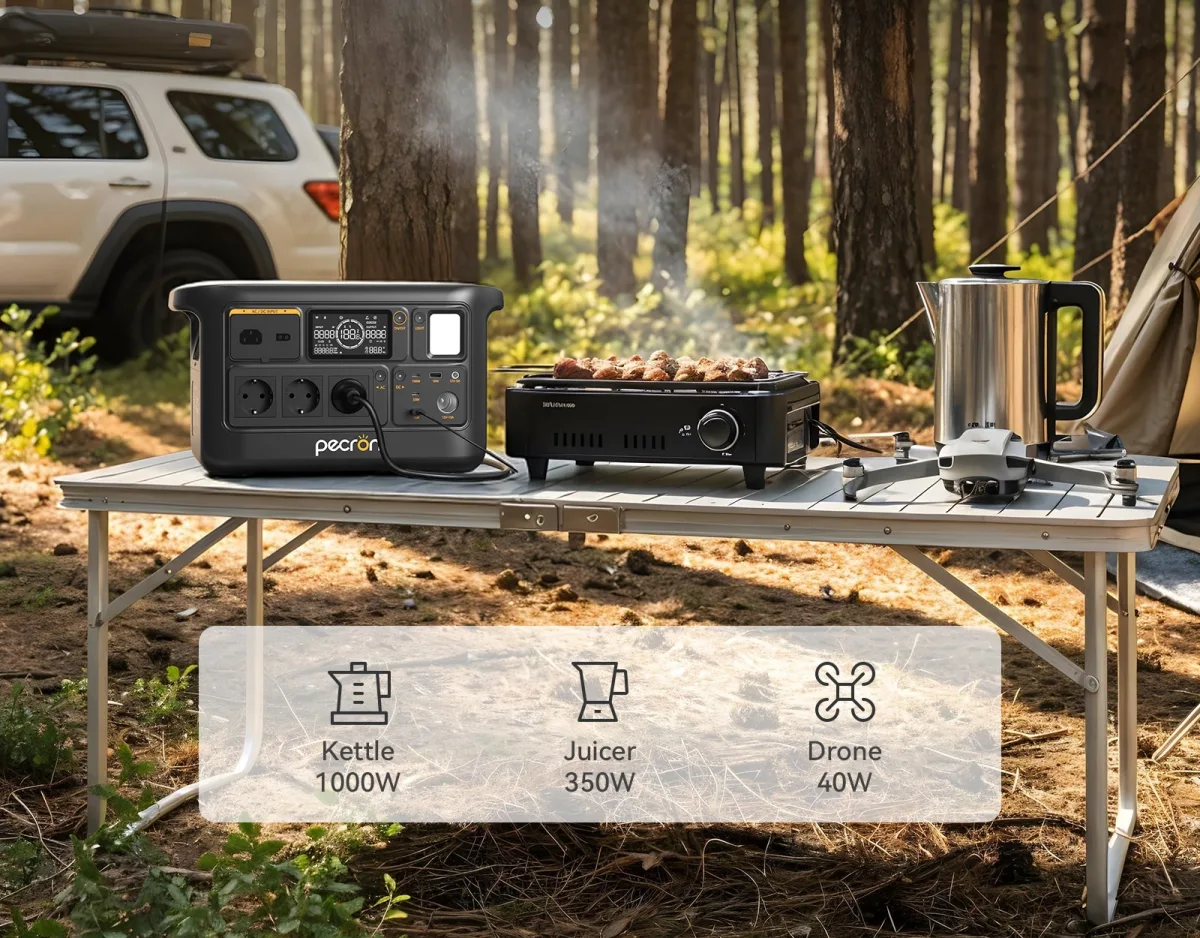
The balance of this station is a bit unusual: the 1500 W inverter is sturdier than its 960 Wh battery might suggest. Translation, it can handle power-hungry devices (coffee maker, small tools, modest induction cooktop) even if it won't keep them running for hours. The LiFePO4 chemistry rated at 3500 cycles remains its best fundamental argument: it's a battery that lasts for years, where older lithium generations wear out much faster.
On the comfort side, Pecron has ticked the boxes that were missing on its older models: a clear and readable screen outdoors, an app with Bluetooth and Wifi to control outputs remotely and mute the beep, an integrated LED lamp, and a power button separate from the inverter (so no need to leave the inverter running to stay connected). The operation remains under 25 dB as long as you stay below 500 W, making it a discreet office neighbor.
Three sockets and ten outputs: the smart niche
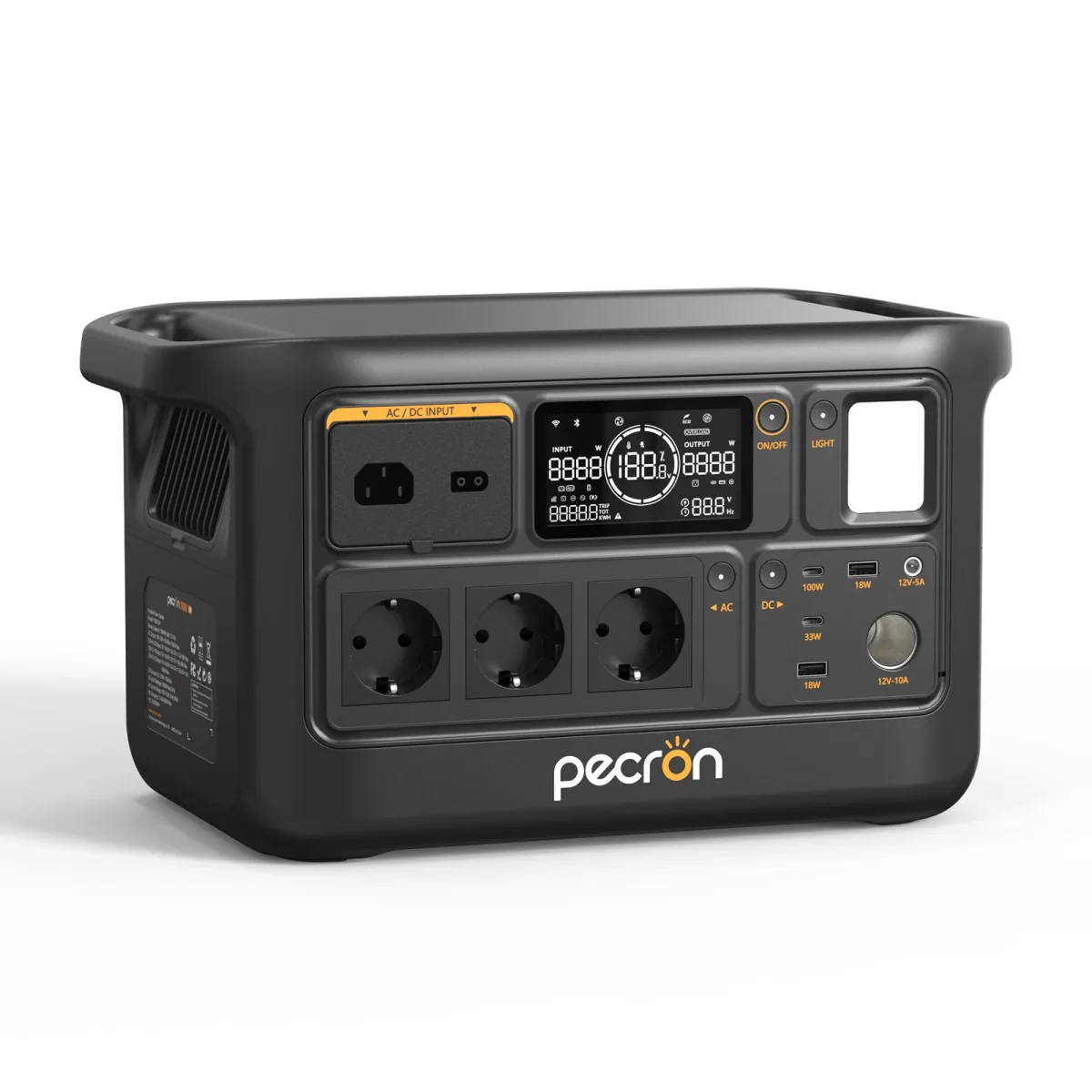
This is the detail that caught our attention, in a good way. In this format, we usually see two AC sockets, sometimes four. Pecron has opted for three 230 V sockets, and it's surprisingly more practical on a daily basis: you plug in the fridge, the PC, and a third device without juggling with a power strip. All outputs are on the front, which is ideal when the station is tucked away in a trunk or under a piece of furniture.
The other pleasant surprise comes from the USB ports. The F1000LFP has a total of nine outputs: the three AC sockets, two USB-C (one with Power Delivery 100 W for directly charging a laptop), four USB-A, a 12V/10A car cigarette lighter, and a DC output. For a station of this size, the port offering is generous and well spaced, without overlapping chargers.
What autonomy for daily use?
With 960 Wh usable, you need to think in terms of usage, not full days. It powers a camper fridge for a good part of the day, recharges a phone about twenty times, supports a laptop over several cycles, and can run a coffee maker or a small tool for as long as needed. For a weekend for two, with regular recharging via solar or mains, it's a format that fits well. For a week off-grid without sun, it will be just enough; that's the accepted limit of a battery of this capacity.
Recharge: mains, solar, or car
This is a concrete strong point. On mains, it accepts up to 1000 W and goes from 0 to 80% in about 50 minutes, meaning a full charge in about 1h10. On solar, it accepts up to 600 W via an XT60 input, which represents almost a full recharge on a good sunny day. It can also recharge via the car cigarette lighter while driving, and Pecron provides the cables in the box, at no extra cost. The charging speed is adjustable via the app, handy for preserving the battery or staying quiet.
Why buy from Vantour?
Because you buy directly from Pecron, without a third-party reseller between the brand and you:
- 100% authentic and official product, shipped from the brand's European warehouse.
- Stocks managed directly by Pecron, so real availability.
- 5-year warranty (2 years + 3 years) provided by the brand, a real safety net for a station that you keep for a long time.
- And a Pecron customer service that has significantly improved lately, which matters for this type of product.
On the pricing side, to give you a concrete idea: £439,00 at the brand, and £403,88 with our code PECRON (-8% off).
Our opinion and the right reflex before buying
The F1000LFP is an honest and well-thought-out entry-level model: durable LiFePO4, a generous inverter, three sockets, and a good number of USB-C, all for a contained budget. Its only real flaw is the lack of battery expansion: it's a station chosen for a defined need, not for an autonomy that will grow later. If your usage fits within its 960 Wh, it's an excellent value for money. Before making a decision, take a look at our guide to choosing a portable electric station, it will help you determine the right capacity based on your van and your outings.
Technical specifications
| Capacity | 960.00 Wh |
|---|---|
| Net Weight | 10.85 kg (23.92 lb) |
| Dimensions | 380 x 217 x 214 |
| Total Number of Output Ports | 9.00 |
| Total Output Power | 1,500.00 W |
| Number of AC Outputs | 3.00 |
| Max AC Output | 1,500.00 W |
| Output Voltage | 220-240 V / 50 Hz (pure sine) |
| USB-A | 4 x USB-A (18W) |
| USB-C | USB-C PD 100W + USB-C 33W |
| DC 12V Output | Car socket 12V/10A, DC5525 12V/5A |
| AC Charging | 1,000.00 W |
| Solar Charging | 600.00 W |
| Car Charging | Yes (12V) |
| Battery Chemistry | LiFePO4 |
| Number of Extra Battery Ports | 0.00 |
| Display | ✓ |
| Wi-Fi | ✓ |
| Bluetooth | ✓ |
| Application | ✓ |
| Warranty | 5.00 an |
| Noise | 25.00 dB |
| Life Cycles | 3500+ (80%) |
| Operating Temperature | -10 to 45 |
| UPS Function | ✓ |
| Charging Temperature | 0 to 45 |
Compare with similar products
£439,00
This product
|
£409,00
See the product
|
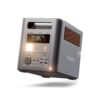
£439,00
See the product
|

£599,00
See the product
|
|
|---|---|---|---|---|
| Capacity | 960.00 Wh | 960.00 Wh | 1,024.00 Wh | 1,024.00 Wh |
| Net Weight | 10.85 kg (23.92 lb) | 15.50 kg (34.17 lb) | 11.64 kg (25.66 lb) | 12.50 kg (27.56 lb) |
| Dimensions | 380 x 217 x 214 | 392 x 230 x 315 | 350.00 mm (13.78 in) | 398,200,284.00 mm (15,677,185.00 in) |
| Total Number of Output Ports | 9.00 | 12.00 | 9.00 | 11.00 |
| Total Output Power | 1,500.00 W | - | 1,800.00 W | - |
| Number of AC Outputs | 3.00 | 2.00 | 2.00 | 4.00 |
| USB-A | 4 x USB-A (18W) | 2 ports, QC 3.0 18W | 2 ports, QC 3.0 18W | 2 × 18W Max |
| Application | ✓ | - | ✓ | - |
| Warranty | 5.00 an | 7.00 an | 7.00 an | 5.00 an |
| Noise | 25.00 dB | - | - | 30.00 dB |
| Life Cycles | 3500+ (80%) | 3500+ Charge/Discharge cycles to 85% | 4000+ cycles (to 80% capacity) | 4000 Cycles to 80% Capacity |
| Operating Temperature | -10 to 45 | - | - | - |
| UPS Function | ✓ | ✓ | ✓ | ✓ |
| Charging Temperature | 0 to 45 | - | - | - |
Our verdict
Benefits
- Durable LiFePO4 chemistry (3500 cycles) at entry-level price
- Generous 1500 W inverter for battery size
- Three 230 V outlets (the right niche) plus two USB-C including one PD 100 W
- Fast charging: 1000 W mains (0-80% in 50 min) and 600 W solar
- UPS function, screen, Bluetooth/Wifi app, and built-in lamp
- 5-year warranty and cables included in the box
Disadvantages
- Non-expandable battery (no additional module)
- 960 Wh: weekend format, just for long off-grid sessions
An honest and well-equipped entry-level LiFePO4, ideal for small motorhomes, weekend vans, and home backup. To choose for a specific need: its battery does not expand.
Frequently Asked Questions
Is the Pecron F1000LFP expandable?
How long will it run a campervan fridge?
How fast does it recharge?
Can it work as a UPS at home?
Why a LiFePO4 battery?
Customer reviews
Review
There are no reviews for this product yet.
Additional information
| Option | Price | Availability |
|---|---|---|
| Standard | £439,00 £403,88 | In stock |