


Introduction
Choosing the ideal size for a campervan is an important decision that influences the travel experience. This article covers key factors such as space needs based on family size, budget, type of trip, and planned destinations. It also explores the environmental impact and offers strategies for a more sustainable approach to van life, providing an overview to make an informed choice suited to every nomadic lifestyle.
Factors to Consider When Choosing the Size of Your Campervan
We previously published an article on choosing the type of vehicle for vanlife. Assuming you’ve decided on a campervan, several factors must be considered to ensure the vehicle meets your needs and expectations. This decision impacts not only your comfort and travel experience but also the practicality and economic viability of your adventure. Here’s an in-depth look at the key elements to consider.
Family Size and Space Needs: The composition of your family or travel group is crucial. The more people you have, the more space you’ll need for sleeping, living, and storing your belongings. A campervan should be a space where everyone feels comfortable, not cramped. Consider not only the number of beds but also the common living area and storage solutions.
Type of Trip: Your travel habits also influence the choice of size. For weekends or short getaways, a compact model can be advantageous, offering greater ease of movement and parking. For longer stays or road trips over long distances, or even if you decide to live year-round in a campervan, opt for a more spacious model equipped for long-term comfort, with amenities like a functional kitchen, a bathroom, and enough space to relax.
Budget: The cost of purchase, maintenance, insurance, and fuel varies significantly with the size of the campervan. A larger model will naturally be more expensive in all aspects. It’s essential to consider your budget not just for the initial purchase but also for ongoing expenses. Find a balance between the desired comfort and what you can reasonably afford.
Destinations: The size of your campervan can limit or facilitate access to certain destinations. Large vehicles may struggle with narrow roads, low bridges, or campsites with size restrictions. Conversely, a smaller model offers more flexibility and can access more remote locations or natural campsites.
Comparing Campervan Sizes
Choosing the right size campervan is crucial for balancing comfort, maneuverability, and accessibility. This choice largely depends on your personal preferences, the number of people traveling, and your planned destinations.
Small Models: Compact and Maneuverable
Campervans around 6 meters (approx. 20 feet) offer exceptional maneuverability and ease of parking comparable to converted vans. They are particularly suitable for couples seeking flexibility and simplicity in their travels, allowing easier access in urban areas and standard parking spaces.
Medium Models: A Balanced Compromise
Choosing a campervan between 6.5 and 7 meters (approx. 21 to 23 feet) strikes a balance between living space and maneuverability. This range offers enough space for a central bed and more substantial storage without significantly compromising ease of driving. It’s a wise choice for those who value both comfort and flexibility.
Large Models: Maximum Comfort
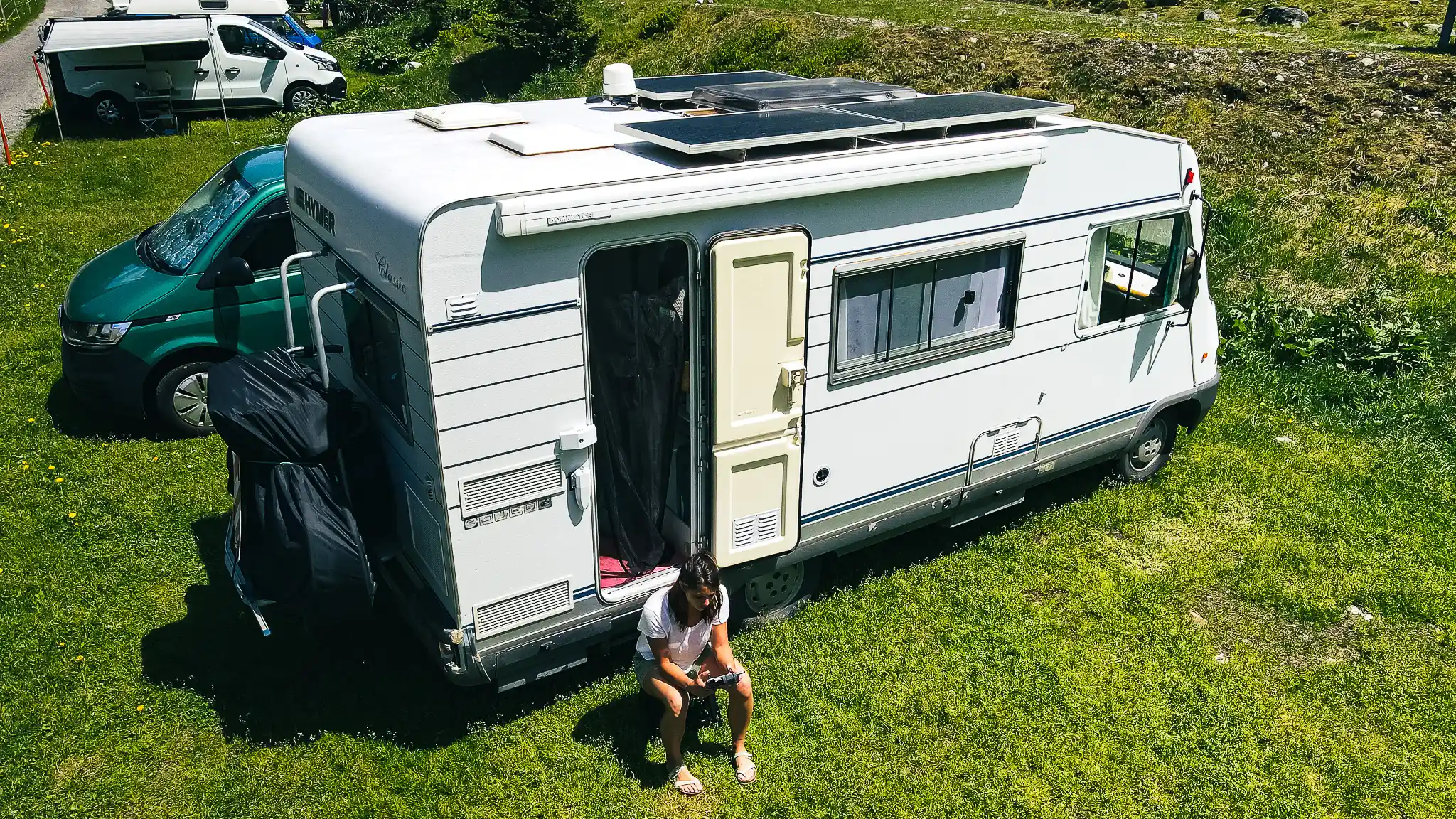
Campervans around 7.4 meters (approx. 24 feet) are designed for those who don’t want to compromise on space and comfort. Ideal for families or retirees traveling for extended periods, these models offer luxurious amenities, permanent beds, and a wide variety of layouts. However, their size can restrict access to certain places and requires greater caution when driving and parking.
User Experiences
Diving into the world of van life through the eyes of those who’ve lived it reveals a mosaic of experiences, with each campervan size offering its own lessons. These testimonials, compiled from various van-lifers, highlight the richness of the nomadic adventure.
Small Models: The Art of Optimization
Fans of small campervans praise their ability to slip in anywhere. Their advice? Maximize every nook and cranny. Using vertical storage solutions, opting for multifunctional furniture, and adopting a minimalist lifestyle are keys to living large in small spaces.
Medium Models: Balance and Adaptability
Those who prefer medium-sized campervans value the balance they offer. Choosing foldable or removable accessories can transform the space as needed, whether for a relaxing moment or a family dinner.
Large Models: Home Comfort
Van-lifers with larger models emphasize the benefits in terms of comfort and space. Their tip? Don’t overlook the importance of outdoor space. Adding an awning or outdoor furniture extends the living area, offering a perfect balance between indoor and outdoor living.
Environmental Considerations and Impact
The ecological footprint of van life significantly depends on the model of campervan chosen. The larger the vehicle, the higher the fuel consumption and environmental impact. This calls for a thoughtful balance between comfort and ecological responsibility.
Strategies for a More Sustainable Van Life
To reduce the environmental impact of your travels, consider:
- Choosing a fuel-efficient vehicle: Opt for newer, more efficient models, or consider using electric or hybrid vehicles.
- Reducing your carbon footprint: Favor extended stays in one place to minimize travel distances and CO2 emissions.
- Eco-friendly practices: Use biodegradable products, limit water consumption, and commit to waste sorting and reduction.

We're Caroline and Xavier
We got most of it wrong before we got it right. We share what actually holds up day to day in a van, and what we wouldn't do again.
Ce que vous souhaitez recevoir :