


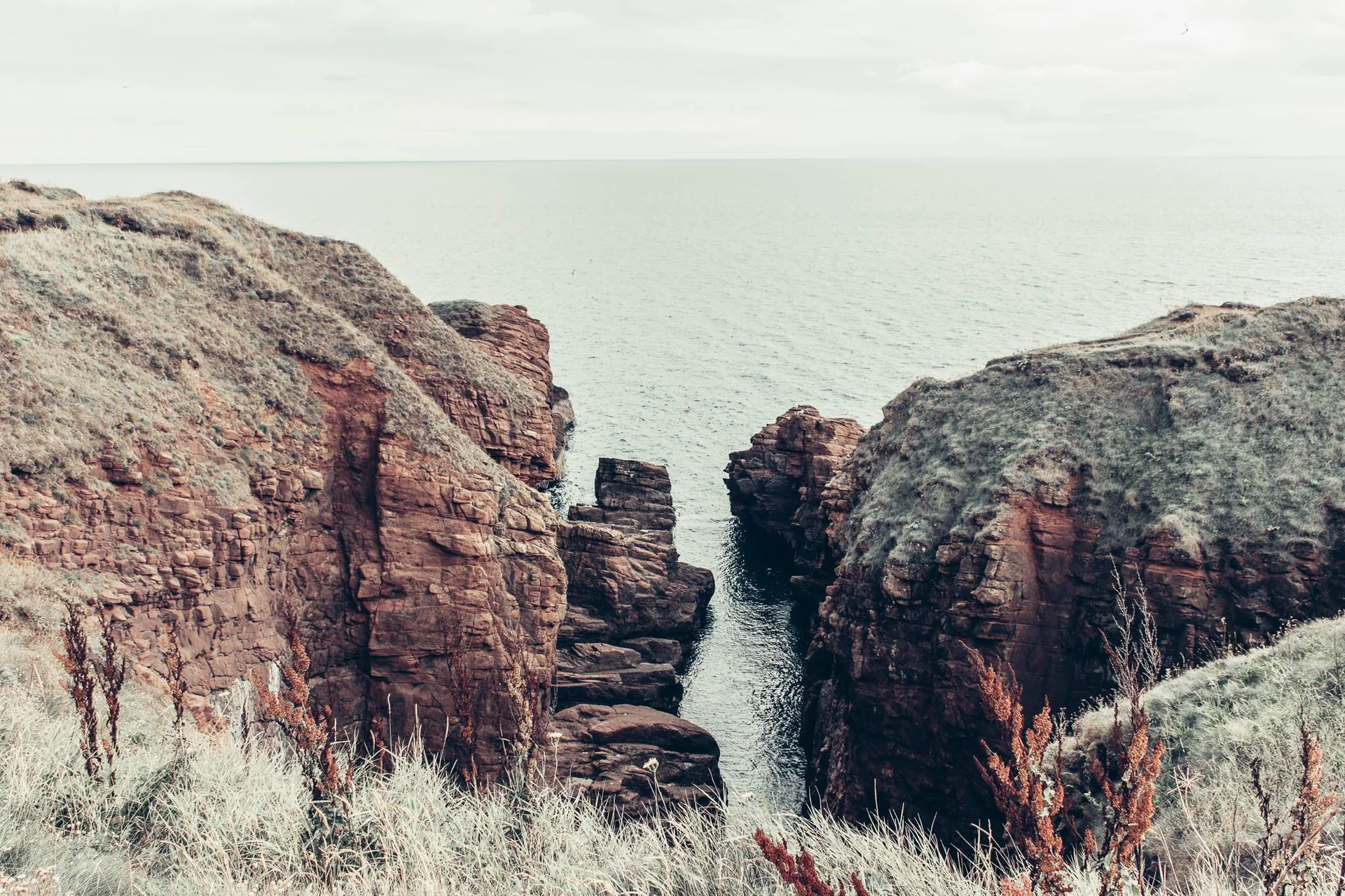
Video of our visit to Arbroath
Before getting into the full guide, here is our video filmed on site. You will see the harbour, a memorable pub, the restaurant above the port, and the bike ride to the cliffs the next morning (with a Caroline metaphor we wanted to preserve for posterity).
Plan your trip: United Kingdom
Tours, tickets and day trips in London.
5% off with code PLANETEDECAROT
Booked on Trip.com — partner link.
Compare rental companies and book at the best price.
10% off with code PLANETECAROLOC
Booked on Trip.com — partner link.
Provided by Holafly, our partner.
5% off with code LAPLANETEDECARO
Booked on Holafly — partner link.
Arbroath, the little crush just above Dundee
Let’s start with the honest summary: Arbroath is not one of Scotland’s big hitters, it’s a medium-sized town of about 20,000 people that had its heyday in the 19th century when it was the largest fishing port in Scotland. Today, it is the kind of stop you could easily skip if you only glance at the map the night before. That would be a mistake.
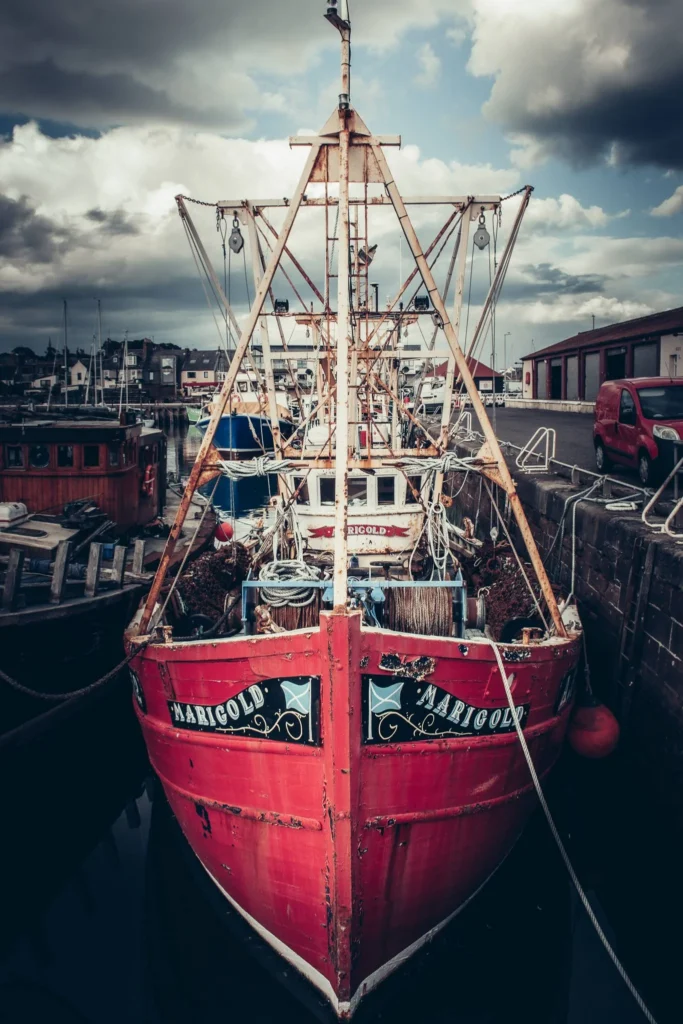
What we liked, in no particular order: nature ten minutes away by bike (the cliffs and their noisy gull colonies), the still-working harbour with its huge trawlers (including the legendary all-red Marigold), the disarming friendliness of the locals who strike up conversations in the street (Caroline ended up chatting with two Scots eating fish and chips on a bench, just like that, for no reason), the local pub where we felt as if we had wandered into Homer Simpson’s, and dinner above the harbour with smoked fish straight from the smoker.
What changes compared with Edinburgh (which we also loved) is the scale. Arbroath is easy to do on foot, the van spot is 10 minutes from the centre, people talk to you without ceremony, and the budget is noticeably lighter. If you’re road-tripping the east coast from Edinburgh or Stirling, don’t skip Arbroath.
How to get to Arbroath on a road trip
To reach Arbroath by van or camper, you have a few good options depending on where you are starting from and how much driving you are willing to do in one go.
Once you are on the east coast, Arbroath sits on the well-known Angus Coastal Route (A92), an official VisitScotland route linking Dundee to Aberdeen by the sea. So you can easily string together Carnoustie (golf), Arbroath, Lunan Bay (wild beach), Montrose, and Stonehaven (with Dunnottar Castle) without pointless diversions. It is the natural continuation of an east coast road trip, and it is genuinely lovely.
When to visit Arbroath by van
Angus : a glimpse of the weather
5-day forecast
Hesitating about leaving now? Here are the forecasts for the coming days.
Monthly climate
Let's be honest, we prefer beautiful sunny days. But if you enjoy cooler weather or rain, here's everything you need to find your perfect time.
| Month | Min temp | Max temp | Rain | Weather | Rating |
|---|---|---|---|---|---|
| October | 8°C | 13°C | 112 mm | 🌦️ | |
| November | 5°C | 9°C | 121 mm | 🌧️ | |
| December | 4°C | 8°C | 101 mm | 🌦️ | |
| January | 2°C | 5°C | 188 mm | 🌧️ | |
| February | 3°C | 7°C | 125 mm | 🌧️ | |
| March | 3°C | 10°C | 38 mm | ☀️ | |
| April | 4°C | 11°C | 55 mm | 🌦️ | |
| May | 7°C | 14°C | 38 mm | 🌦️ | |
| June | 11°C | 17°C | 77 mm | 🌧️ | |
| July | 12°C | 19°C | 89 mm | 🌦️ | |
| August | 12°C | 18°C | 65 mm | 🌦️ | |
| September | 11°C | 17°C | 100 mm | 🌦️ |
The climate in Arbroath is temperate oceanic, a bit like Brittany but in Scottish mode, and a touch colder. Average temperatures are around 6°C in January and 17°C in July. Across the year, rainfall totals about 537 mm and is spread fairly evenly, with a peak in August, which is also, slightly paradoxically, the busiest month.
The best time to come by van to Arbroath is from May to September, with a sweet spot in July and August for the weather (15 to 17°C on average, and those long northern days). If you want to dodge the crowds and the higher season prices, May, June or September work very well too, with slightly cooler temperatures but fewer visitors and a gentler budget.
Where to sleep in a van and camper in Arbroath
Angus : Places we can tell you about
Here's our selection of places in Angus: spots we've visited that might be useful to you. Use the list view to discover each address in detail, and export everything to add to Google Maps or your favorite GPS app.
| Place | Address | Download |
|---|---|---|
| Victoria Park | Victoria Park, Arbroath, Scotland | |
| Keptie Pond | Keptie Pond, Arbroath, Scotland | |
| Arbroath Harbour | Arbroath Harbour, Arbroath, Scotland | |
| Elliot Caravan Park | Elliot Caravan Park, Arbroath, Scotland | |
| Colliston | 1 Cotton of Colliston, Arbroath, Scotland | |
| Spot Ladyloan (Stadium) | 40 Ladyloan, Arbroath, Scotland |
| Place | Address | Download |
|---|---|---|
| The Old Boatyard Restaurant | Arbroath Harbour, Arbroath, Scotland | |
| Townhouse Hotel | Arbroath, Scotland | |
| Smithies Deli & Gin Emporium | Arbroath, Scotland |
| Place | Address | Download |
|---|---|---|
| Arbroath Abbey | Abbey Street, Arbroath, Scotland | |
| Arbroath Museum (Signal Tower) | Ladyloan, Arbroath, Scotland |
| Place | Address | Download |
|---|---|---|
| Arbroath Coastal Path | Arbroath Cliffs, Scotland |
You can see the interactive map just above with the spots we identified. Now for the honest detail, based on what we actually found.

We're Caroline and Xavier
We drive to a place, stay long enough to get it wrong a few times, then write the guide we wish we'd had: parking, timing, what's worth the detour.
Ce que vous souhaitez recevoir :
Internet and SIM card in the UK
For UK readers, the useful point is simply this: mobile coverage in Arbroath itself is generally good, with 4G widely available and 5G present depending on your operator. Once you head further into rural Angus, or onwards towards the Highlands and islands, coverage can become much patchier. So if you are planning to keep driving north, it is worth checking EE, Vodafone, O2 or Three coverage maps before you go. If you’re visiting from outside the UK or EU, see our guide below.

Best UK SIM for a Scotland Road Trip: Highlands, Skye and NC500 Coverage
What internet connection to use during a stay in Scotland? Often questioned by travelers, we explored the various options available in Scotland in this comprehensive article. As always, each solution...
Read moreWhat to do in Arbroath in 1 to 2 days
Here are the 10 things we saw, did, and tested (or really should have done), ranked somewhere between Caroline’s priorities and mine. Spoiler: she puts the cliffs ahead of the Abbey, I put dinner with a view ahead of the cliffs, so we made a compromise.
1. Arbroath Abbey and the Declaration of 1320
It is the historical highlight of Arbroath, and frankly it is huge when you know the context. The abbey was founded in 1178 by King William I of Scotland, in honour of Thomas Becket (the archbishop murdered in Canterbury by Henry II of England). Building work took 50 years and was completed in 1233. It is now in ruins, but built in the region’s typical red sandstone, with an impressive west front and its famous “O” round, which once served as a landmark for ships offshore.
But the episode that still resonates most strongly here is the Declaration of Arbroath of 6 April 1320. A letter signed by 51 Scottish nobles and sent to Pope John XXII (then based in Avignon, during the Church’s very French period) to assert Scotland’s independence from England and defend Robert Bruce’s right to rule. It is one of the founding texts of Scottish national identity, and is often compared with the American Declaration of Independence for the way it shaped later political thought.
In practical terms, the site is open to visitors (managed by Historic Environment Scotland), with a visitor centre covering the full story and an exhibition on the Declaration. Allow about an hour for the ruins, plus 30 minutes for the centre. Admission is around £8 for adults. It is open year-round, with seasonal opening hours.
2. The red sandstone cliffs by bike
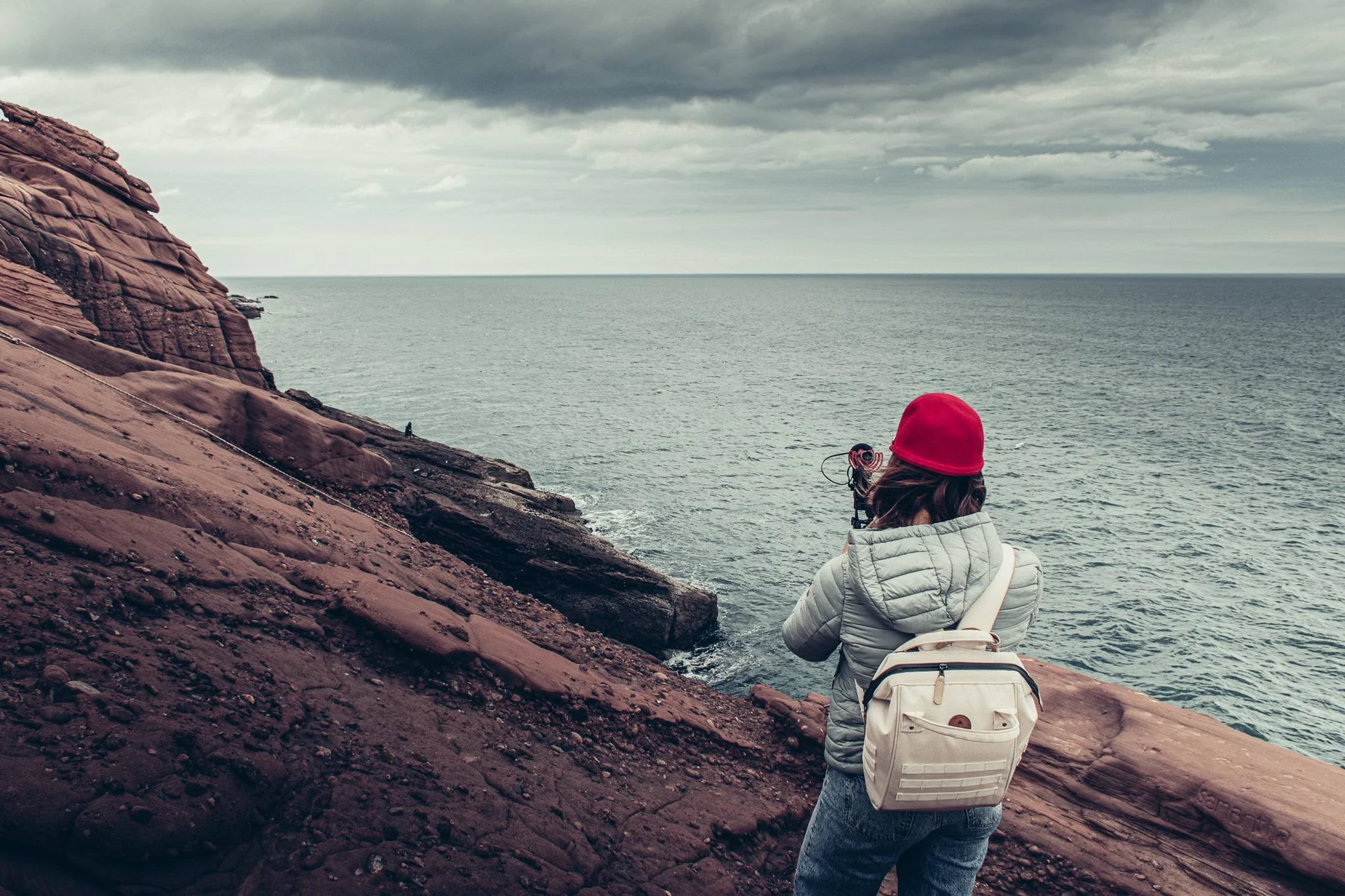
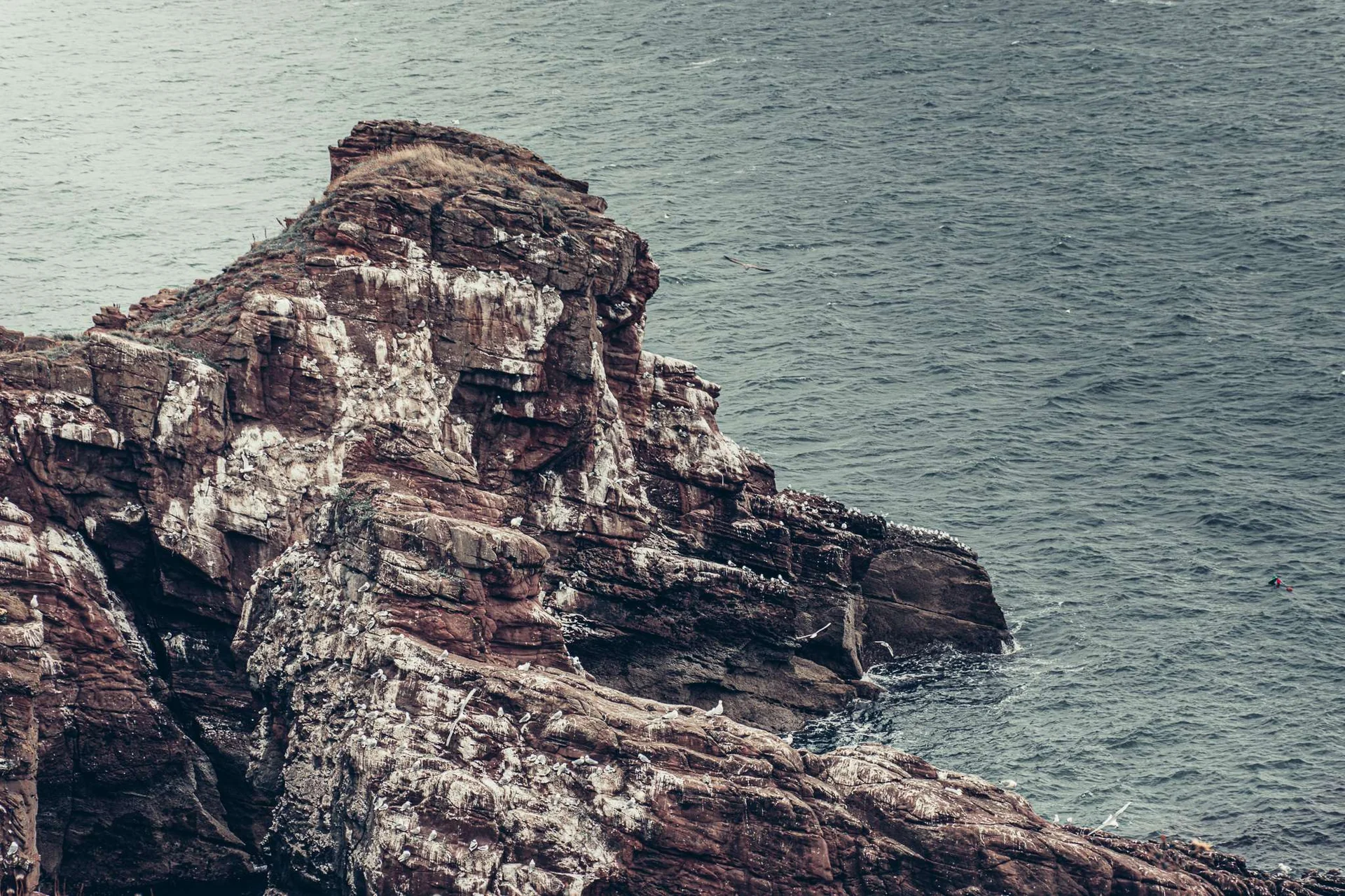
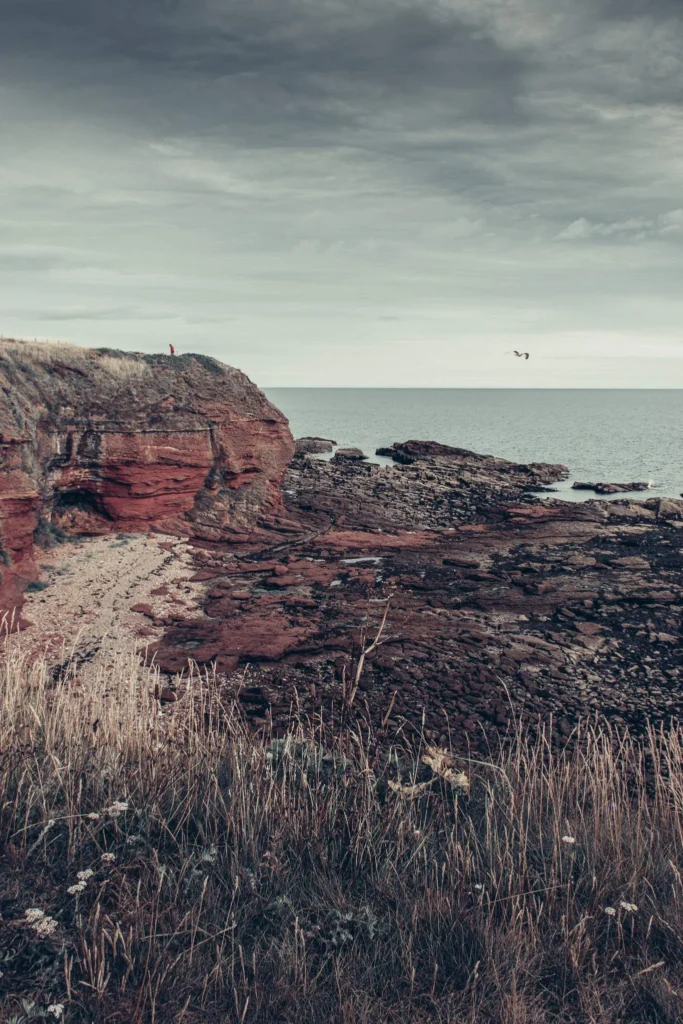
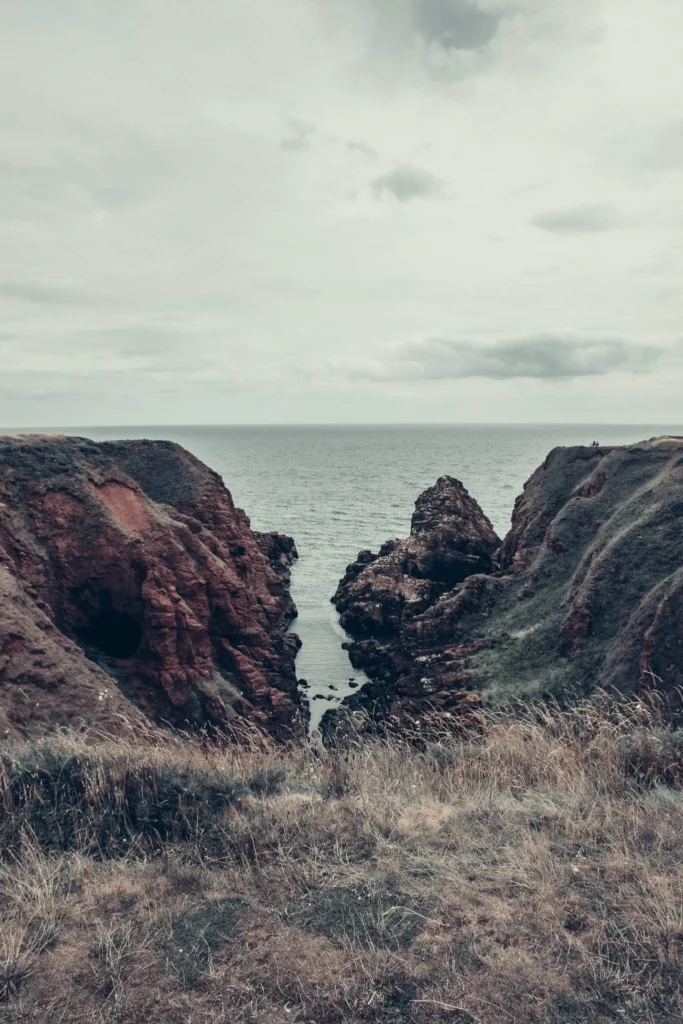
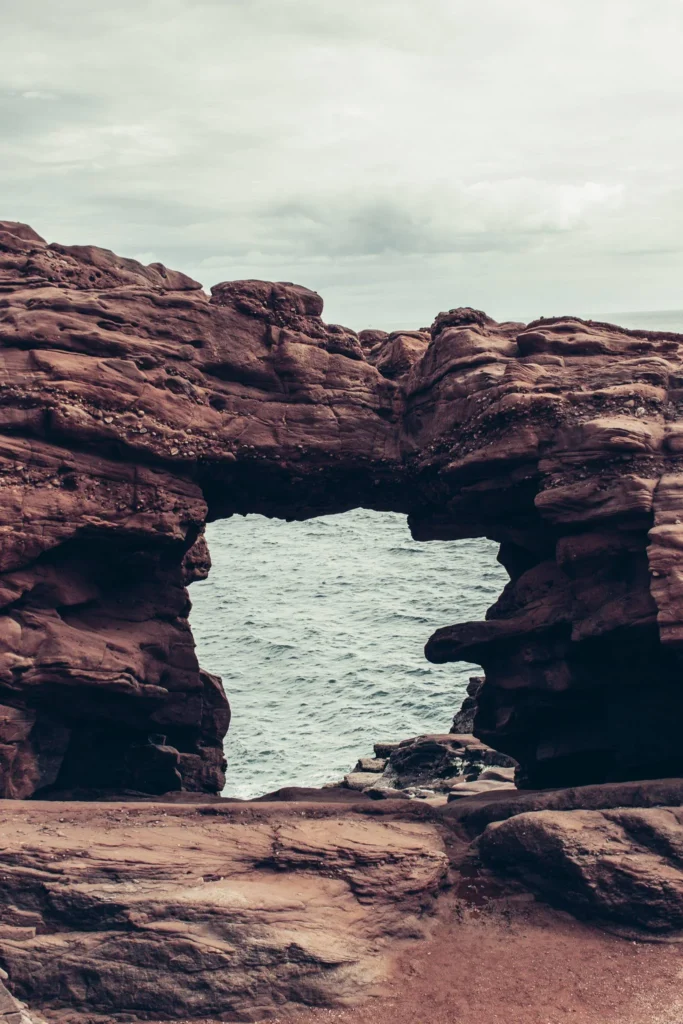
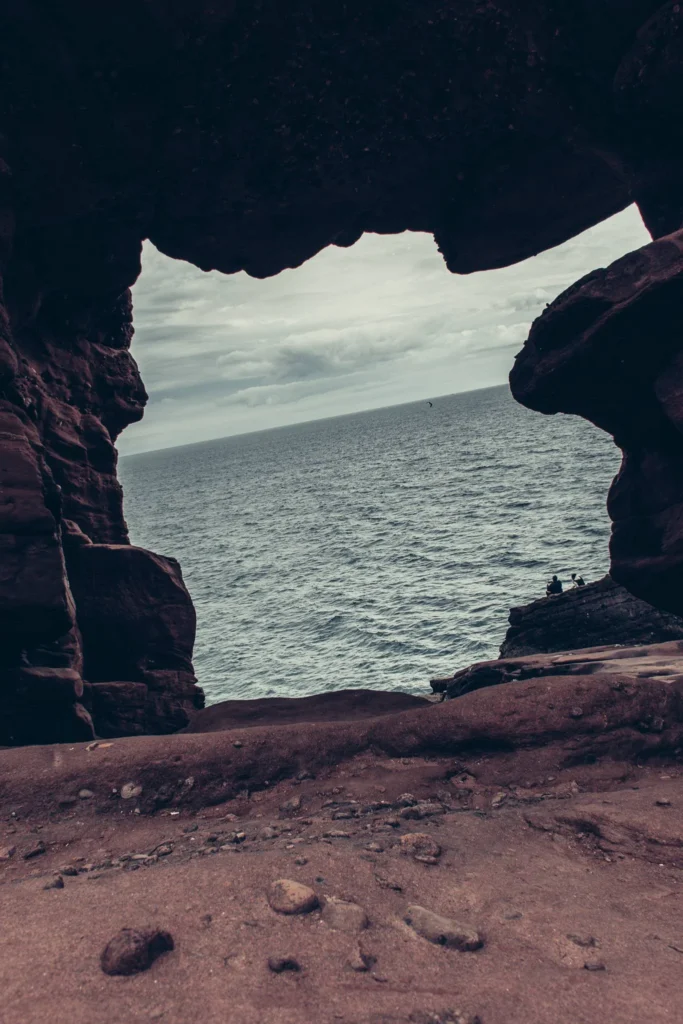
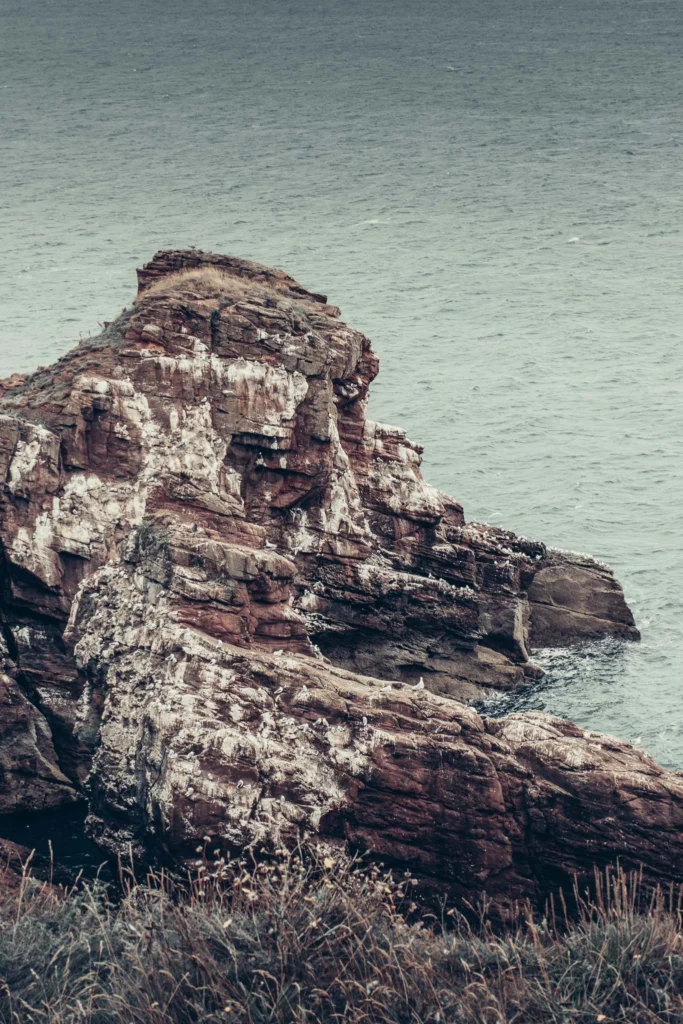
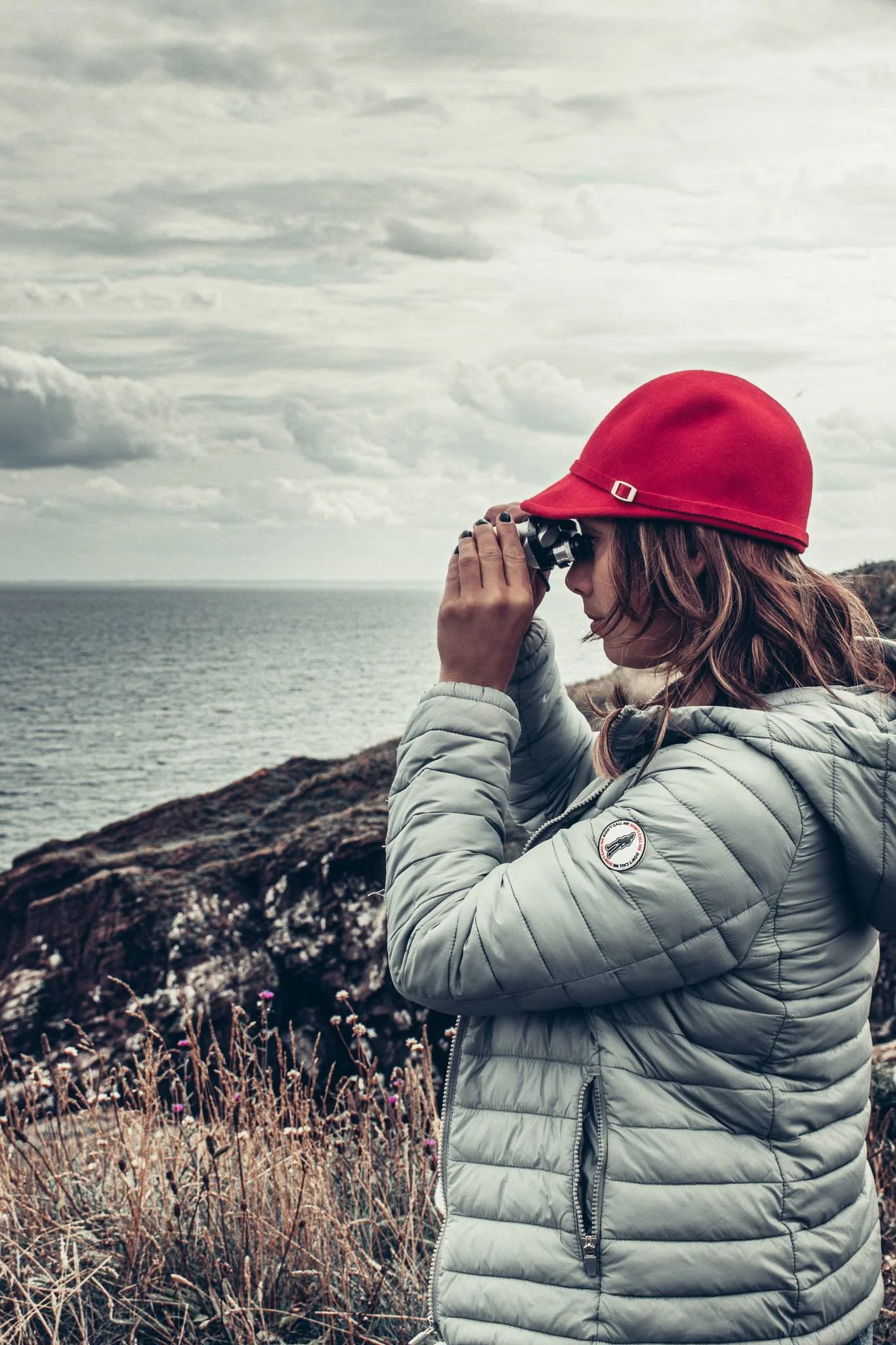
The second essential stop, and our visual favourite. The Arbroath Cliffs begin from the harbour and run north-east along the coast for 5 to 3.5 miles, forming what is known as the Arbroath Cliffs Nature Trail. The North Sea has carved the rocks into arches, caves and strange formations. We saw several spectacular natural arches (Caroline got the binoculars out to watch the seabird colonies below).
Our practical advice: take the bike from the centre. It is flat and surfaced, accessible for families and older visitors too. Allow 10 minutes to reach the start from the van spot between the sea and the football ground, then about 1.5 hours for a relaxed out-and-back on the trail. You can walk it too, of course, but it is much longer, and you may finish slightly broken.
3. The harbor and its trawlers (including the legendary red Marigold)
The harbour of Arbroath is one of the oldest in Scotland, founded in 1394 and expanded in the 19th century with the construction of a new harbour in 1839 to export jute, like nearby Dundee. At its height, it was the largest fishing port in the country. Today it is still active, more modest, but still properly authentic.
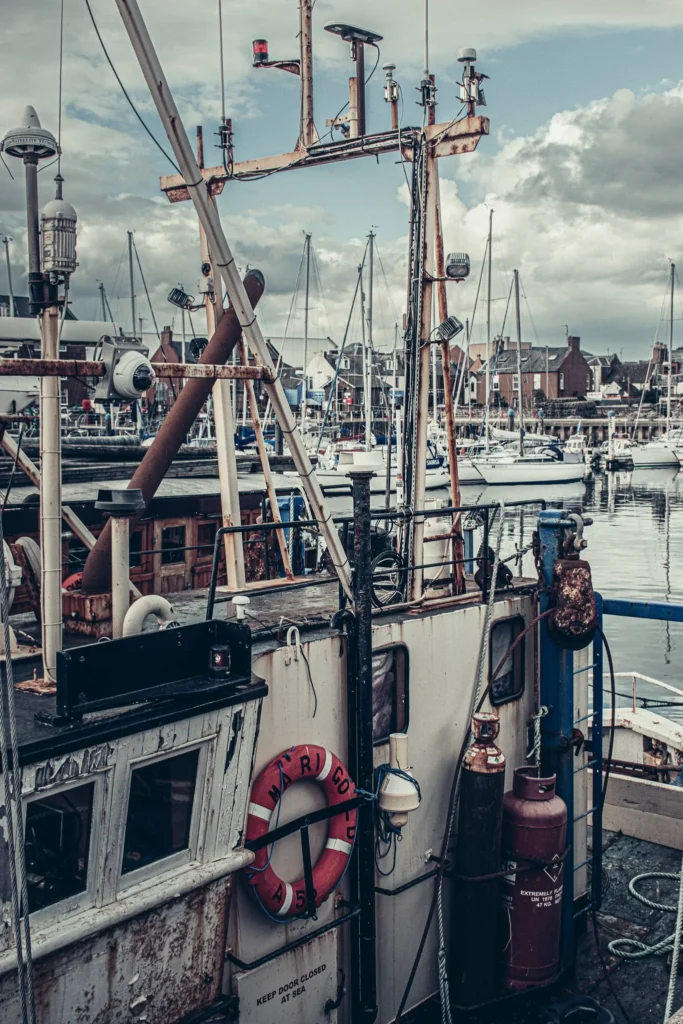
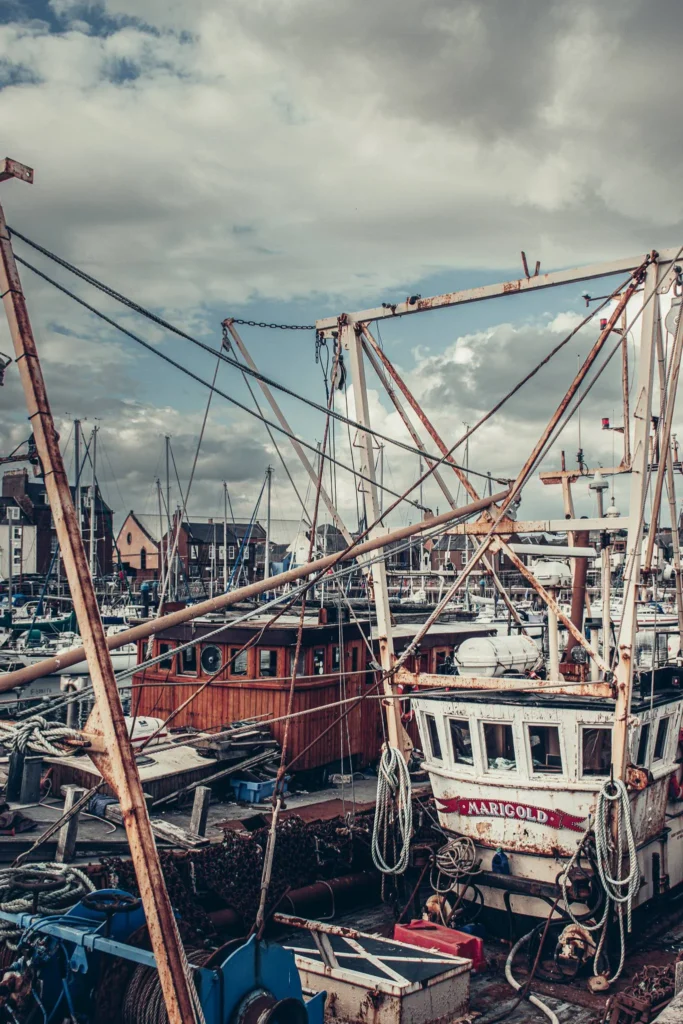
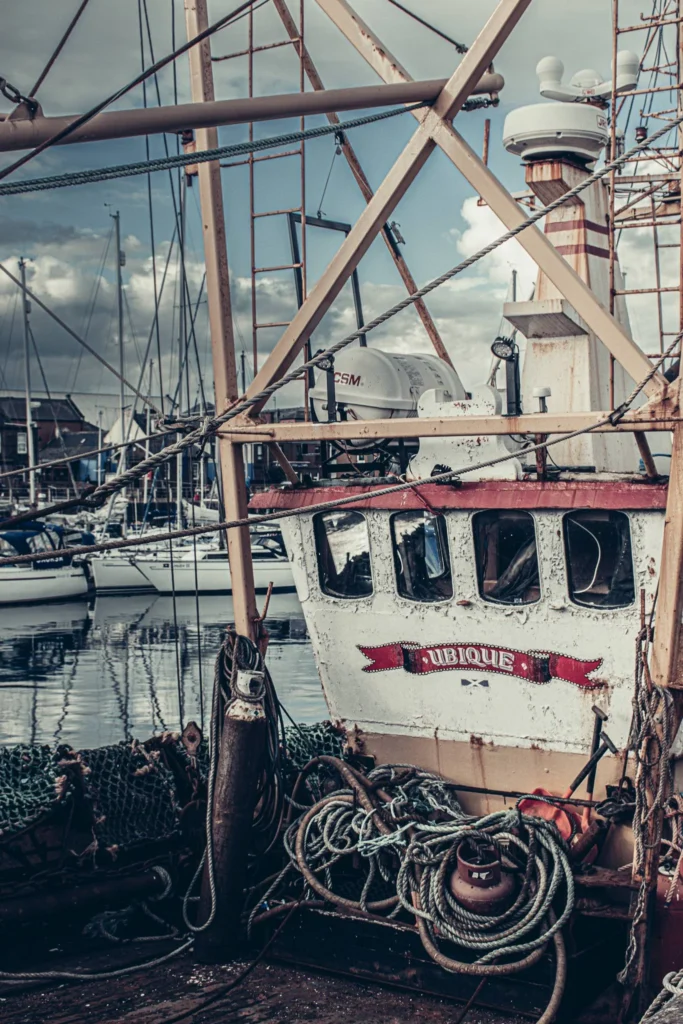
Walking along the quayside, we saw several enormous trawlers, including our favourite: a bright red fishing boat called Marigold, old, rusting in places, but with a modern security camera fixed to the wheelhouse. That contrast between the rough old world and the modern detail sums up Arbroath rather well.
4. Signal Tower Museum and the Bell Rock lighthouse
Do you see that imposing white tower by the sea? It is the Signal Tower Museum. Formerly the land station for the Bell Rock lighthouse, the oldest surviving offshore lighthouse still in operation anywhere in the world (built in 1810 to 1811 by Robert Stevenson, grandfather of Robert Louis Stevenson, the author of “Treasure Island”). The lighthouse stands on a reef 11 miles off the coast of Arbroath and has saved hundreds of lives.
The museum tells the heroic story of building the lighthouse, the day-to-day lives of the keepers’ families (who lived here on land while the men were out at sea), and the way they communicated with the lighthouse via signal lights. It is a short visit, about 45 minutes, free, and perfect when the weather turns.
5. The beach and the rising tide (with alien eggs)
Arbroath’s beach starts from the harbour and stretches north. It is not spectacular in itself, sand and pebbles mostly, but the atmosphere is strong when the North Sea starts biting at the rocks on a rising tide. Caroline pointed out “the splashes of the rising sea” and for 30 seconds I understood “clafoutis”, which tells you everything about our level of concentration at that point.
6. Hospitalfield House (the secret garden house)
15 minutes on foot from the centre, Hospitalfield House is a historic house dating back to the 13th century (yes, really that old), now turned into an arts centre and artist residency. The enclosed gardens, with all their ferns, are beautiful, and there is a garden café inside a greenhouse. Entry to the gardens is free, while the house hosts temporary contemporary art exhibitions. A very good late-afternoon stop when the golden light settles on the brick.
7. The Arbroath Seafest (August, a must-see festival if you’re around)
If you are in Arbroath in August, check the dates for the Seafest, a yearly two-day festival celebrating the town’s maritime heritage and drawing nearly 30,000 people. On the programme: sea demonstrations, tastings of local produce including Arbroath Smokies in street-food form, and activities around the harbour. There is also the Seafront Spectacular with an airshow, which is ideal if you enjoy a lively east coast atmosphere. Just plan for parking, because it fills quickly.
8. The Tennent’s pub “Simpsons style”
We ducked into a local pub in the afternoon, and Caroline and I immediately had the same thought: this is the Simpsons’ bar. Caroline was convinced she had seen Homer at the counter, while I was certain Moe was nearby. Popular atmosphere, pints of Tennent’s at about £4, big screen, loud conversations, absolutely no effort made to be discreet. We lasted 30 minutes before escaping with a “finally out of this hell… well, this pub atmosphere!”
(It was funny to experience, and it is the sort of thing you do once for the memory before finding somewhere calmer for dinner.)
9. Chatting with locals on the street
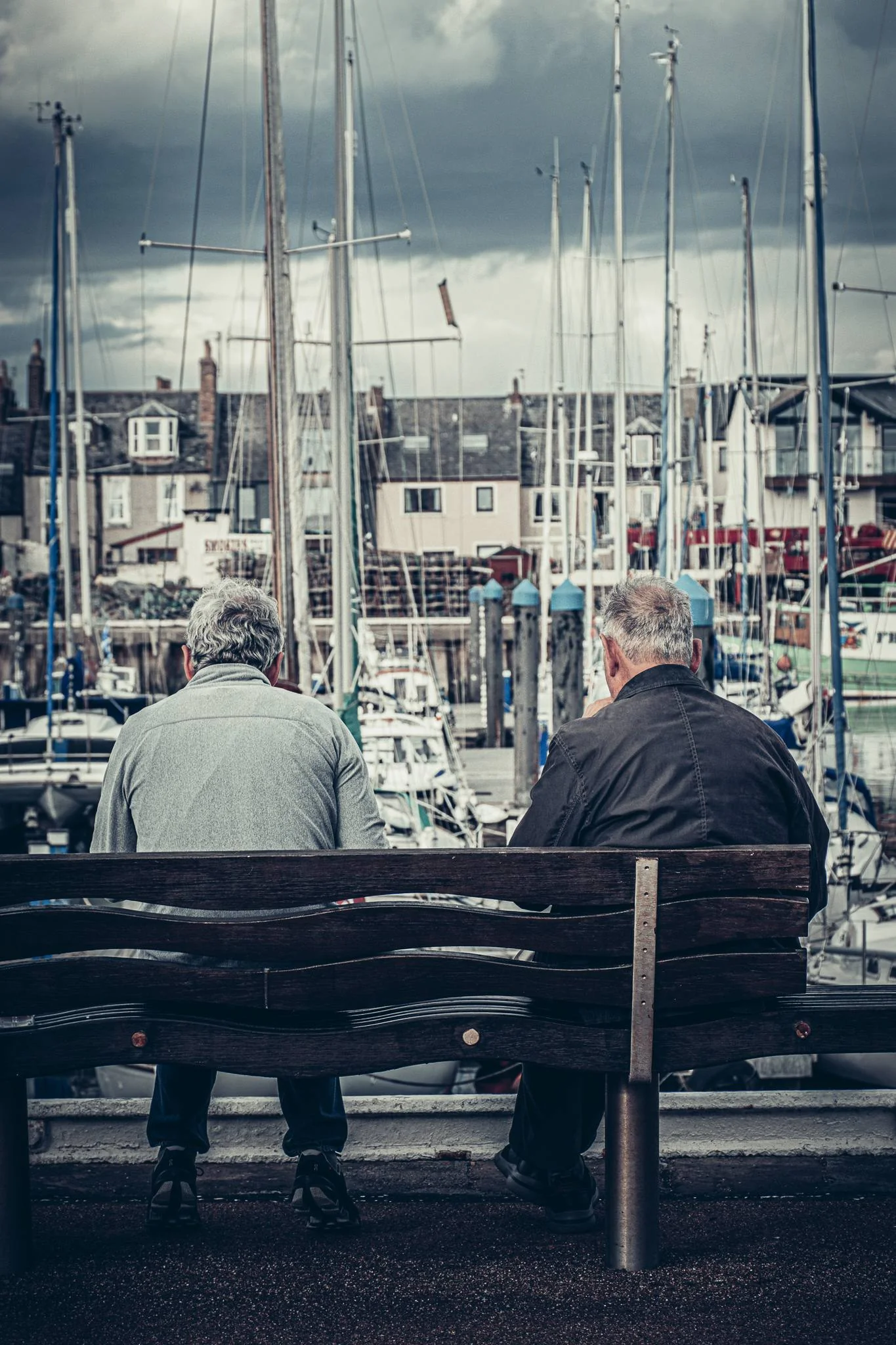
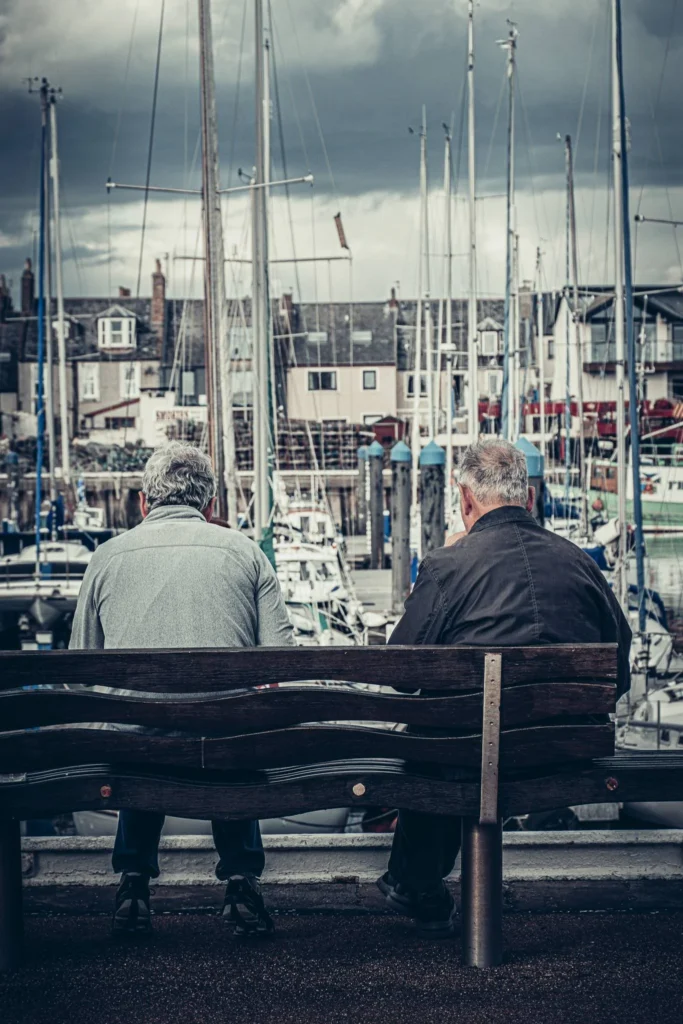
It is not an activity in the strict sense, more a mood you notice in Arbroath. Locals are disarmingly open: they come over for no particular reason, ask where you are from, tell you about the sea, or about where you ought to go next. Caroline got pulled into a conversation by two Scots eating fish and chips on a bench by the harbour. They also enjoy a little joke: we heard “Are you lost in Arbroath?” three times in two days.
(If your English is decent, it is the perfect place to practise. If the Scottish accent defeats you, smiling and nodding still works surprisingly well.)
10. Lunan Bay (6 miles away, cinematic wild beach)
We did this just before heading on to Stonehaven: Lunan Bay, 6 miles north of Arbroath, a wild 2 miles stretch of sand with the ruins of Red Castle looking over it. No crowds, no snack vans, nothing. Just the North Sea, the wind, the dunes, and you. A must if you are extending your stay. Wild camping is tolerated nearby, but there are no services.

Where and what to eat in Arbroath: the Arbroath Smokie
The absolute local speciality is the Arbroath Smokie, and people here do not mess about with it. Since 2004, the name has been protected by Protected Geographical Indication (PGI) status, much like the French AOC idea. Only fish smoked in Arbroath using the traditional method can be sold under that name. The technique goes back to the 19th century in the nearby village of Auchmithie, just north of Arbroath, before moving into the town itself.
How it is made: two haddock tied by the tail, salted and dried, then hung on sticks above a smoking pit (in practice, half a whisky barrel sunk into the ground). A fire of beech and oak is lit, the sticks are placed over it, and the fish cooks until it takes on that distinctive golden-copper colour. You can eat it just as it is, or in traditional Scottish dishes such as cullen skink.
The Old Boatyard Restaurant: our tested choice
We went for dinner at The Old Boatyard Restaurant on the harbour at 7.30 pm (and found ourselves among the last to arrive, because locals here happily eat at 5 pm, another world). I had smoked haddock to start, followed by mussels and chips (the Arbroath Smokie is even better when you are eating it right beside the original smokehouses). Caroline had homemade smoked salmon to start, then sea bass with samphire and a little saffron soup.
Detailed verdict. On the starters: Caroline’s homemade smoked salmon was excellent, lightly woody but not overpowering, and the contrast with the pickled courgette gave it a real kick. My haddock was saltier, but you could properly taste the smoke and wood from the traditional method, powerful and very good. For the mains, the revelation was my mussels, huge and fleshy, with that sea-and-land touch from the bacon working its way right into them, frankly a bit mad. Caroline’s sea bass was fine and delicate, with a potato cake and samphire. Caroline also finally got her famous Irish coffee, which she had been talking about for two days.
Other restaurants in Arbroath
If you want to branch out beyond the harbour restaurants, several places stand out in the town centre: Townhouse Hotel (traditional food, cosy atmosphere), Smithies Deli & Gin Emporium (café, deli, gin, ideal for lunch), Hospitalfield House (the café in the grounds of the historic house, to pair with a visit). And if you want to buy Smokies to take away, several smokehouses by the harbour sell directly to the public: expect to pay around a tenner for two fish, ideal for a picnic on the cliffs.
Budget for a road trip in Arbroath
Quota RapidAPI dépassé (limite par minute/mois). Réessayez plus tard.
Budget-wise, the good news is that Arbroath is noticeably more affordable than the bigger cities further south, especially Edinburgh and Glasgow. It is still the UK, so some things sting a little (fuel, alcohol in pubs, paid attractions), but you feel straight away that this is a less touristy, more local stop. Here are our practical benchmarks from summer 2022:
– Restaurant meal (starter + main + drink): £25 to £35 per person, with good local fish.
– Pint in a pub: £4 to £5 (Tennent’s, Belhaven, and other Scottish names).
– Takeaway (fish and chips): £8 to £12 per person.
– Smokies bought direct from the smokehouse: £8 to £10 for two fish.
– Diesel (summer 2022): around £1.80 to £1.90/litre.
– Entry to Arbroath Abbey: about £8 per adult.
– Paid campsite: £18 to £25 per night for a van with services.
Our experience: two days that sum up Scotland well
Here is what we actually did, day by day, so you can picture the stop properly.
Day 1. Arriving via the A92 from the south, we park at the sea-and-football-ground spot and have lunch in the van. A little walk by the sea in the early afternoon (the famous alien eggs and Scottish bathers), then a failed attempt to walk to the cliffs (too far, we will try again tomorrow). So we switch to a town wander instead: Signal Tower Museum from the outside first, then a proper stroll round the harbour with the Marigold and the rusty trawlers. We go into a local pub, have two pints of Tennent’s, then flee the noise. Dinner at 7.30 pm in the harbour restaurant (see dedicated section below, smoked fish starters, generous plates, local whisky with water). Back to the van, where we realise we are one of 17 campervans lined up behind the “no parking” sign. Sleep.
Day 2. Up at 8 am, bikes out, 10 flat minutes to the start of the cliffs. We follow the red cliffs trail for about 1.5 hours return, passing the natural arches. Back around noon, lunch at the van (Smokies bought directly at the harbour the evening before). Afternoon: visit to Arbroath Abbey and the 1320 Declaration exhibition (the sort of thing we would clearly have missed if we had not read up first), then Signal Tower Museum (Bell Rock is brilliant). We think about Hospitalfield House but we are tired, so we leave it for next time. Departure late afternoon for Stonehaven and Dunnottar Castle (our next stop, recounted in the Stonehaven guide).
To go further on the Scottish east coast
Arbroath is the ideal link between the southern cities (Edinburgh, Stirling) and the north-east coast (Stonehaven, Aberdeen). Here are our full guides to the stops immediately before and after, to follow in the order of the road trip.
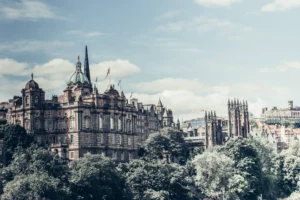
Discovering Edinburgh by road trip and van: Complete Guide
Discover Edinburgh in this travel guide for everyone, perfect for van road trip enthusiasts. Explore the history, budget, where to sleep, where to park, where to eat, and what to...
Read more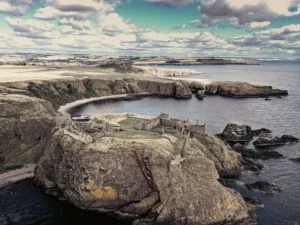
Discovering Stonehaven and Dunnottar by Campervan: Complete UK Guide
Dunnottar Castle on its sea cliff, a working fishing harbour, the seals and the most photogenic ruin in Scotland. Our UK guide to Stonehaven and Dunnottar by campervan.
Read more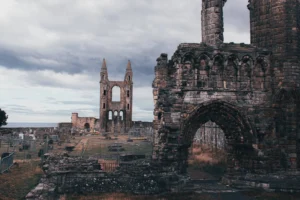
Discovering St Andrews on a Campervan Road Trip: Complete UK Guide
Cathedral ruins, the Old Course, Prince William's university and a windswept beach. Our UK guide to St Andrews by campervan in the Fife peninsula.
Read more
Discovering Stirling on a Campervan Road Trip: Complete UK Guide
This guide takes you to Stirling, the perfect destination for a Van Road Trip. Discover the history, budget, where to sleep, where to park, where to eat, and what to...
Read moreAucun contenu défini pour ce script.
PS: and thank you to “Hair Brosse” for awakening in us a deep taste for terrible phonetic puns, we never really recovered during the rest of the road trip (do not ask Caroline what “Glasgow” became in our private vocabulary by the end, it involves a crisp brand and remains classified).
The next route, straight to your inbox
Two years of full-time van life, and the Algarve as our base ever since. We still hit the road, by van or otherwise, and we write up what we find along the way. An email when we have something to say, no more.
Ce que vous souhaitez recevoir :