



Right, picture the scene: it’s lashing it down outside, the windscreen is fogged up again, and you’re wondering whether van life in winter is actually a good idea… Let’s be honest for a second. Spending December up north, fighting the cold, the damp and the gas bottle that runs dry at 3am, is doable (we even wrote a whole guide on it), but it’s not the path we chose. We did the opposite. We pointed the van at the sun.
And that first year, I still remember it, we crossed into Portugal bang on the 1st of December, like slightly battered migrating birds… We’ve done it every winter since (and ended up settling there for good, which tells you how much we loved it). So in this guide I’ll tell you where to chase the winter sun in Europe, when to leave, and the few traps we discovered the hard way. Because yes, there are some.
Winter in the sun in a van: your questions
Where can you spend winter in the sun in a van or motorhome in Europe?
The safe bets are the Algarve (Portugal), Andalusia and the Costa del Sol (Spain). For more heat, aim for the Canary Islands or drop down to Morocco. Sicily, Sardinia and Crete offer a winter that's mild rather than hot, more about hiking and culture than the beach.
When should you leave for the south, and how long to stay?
The classic overwinterer's rhythm: head down between November and early December, come back up in March-April. Plan transition stops (Camargue, Catalonia) so you don't go from the UK to Andalusia in one hit, and ease into the warmth gradually.
Which is the warmest destination in deep winter?
The Canaries, at 20 to 25°C year-round, are eternal spring. Morocco is close behind (17 to 22°C by day, but cool, windy nights). The Algarve and Andalusia sit more around 15 to 20°C.
How much does a winter down south cost?
Far less than peak season: year-round campsites slash long-stay rates by up to 30% (think £5-10 a night off-season), many aires are free, and Morocco is unbeatable (a stuffed sandwich for under £2). Overwintering south often works out cheaper than heating up north.
Are you really warmer in a van down south than in an apartment?
Surprisingly, yes. Old southern buildings are built for summer heat: no ventilation, little insulation, so damp gets trapped. At 15°C in a damp flat you shiver, while a van parked in the sun catches every bit of warmth. That's the paradox of the Algarve in winter.
Is Morocco safe in a motorhome?
Yes, as long as you're organised. Avoid isolated wild spots and stick to the many cheap, well-equipped campsites and aires. The real difficulty is logistical (intense traffic around Marrakech) rather than a safety issue.
What paperwork do you need to drive to Morocco?
A valid passport, your V5C, and crucially a green card from your insurer covering Morocco (EU-only cover isn't enough outside the Union). Tourist stays are generally 90 days. The vehicle is temporarily imported on arrival, with a customs declaration to fill in.
Does the 90-days-in-180 Schengen rule apply to UK travellers?
Since Brexit, yes, and it's the big one. A British passport holder can only spend 90 days in any rolling 180 inside the Schengen area (Portugal, Spain, Italy, Greece). For a long winter that bites fast. Smart move: time in Morocco sits outside Schengen, so it doesn't burn your 90 days.
Can you wild camp in Spain and Portugal in winter?
In Spain, wild camping is banned but simply parking is tolerated as long as you don't deploy an awning or chocks (rules vary town by town, Malaga is strict). Portugal has tightened up: stick to the aires and campsites, which are everywhere in the Algarve.
Do you need to book ferries and campsites ahead in winter?
For ferries to Sardinia, Crete (10h from Piraeus) or the Canaries (up to 40h from Cadiz), yes: sailings drop off in winter, so book. Pitches are easy to find, except on the comfort aires that retirees love at Christmas.
Is it worth taking the van to the Canaries?
It's debatable. The ferry from Cadiz costs around €170 and can take up to 40 hours to Tenerife. Many do the maths and go without the van, renting on the spot, often cheaper. For a whole winter of guaranteed warmth, the effort can pay off.
How do you handle cold and damp if you stay living in the van?
Suitable heating, a dehumidifier, covered windows, controlled ventilation: we've put the whole method in our guide to living in a motorhome in winter. And for the opposite problem in summer, see how to beat the heat in your van.
Why head south for the sun instead of battling the cold
Now, I’m not saying living through winter in the cold is impossible. Plenty of people do it brilliantly, and if that’s your thing, we’ve broken down exactly how to live in a motorhome in winter (heating, insulation, plumbing, the deep freeze, it’s all there). But driving south isn’t running away. It’s a perfectly logical and economical choice, and here are four reasons why.
First, heating. In January up north, your heater runs non-stop and your gas bottle melts away before your eyes… Drop down to an average of 17°C and that whole expense collapses. No more stress about an empty bottle in the middle of the night, and no more hunting for gas refills from one country to the next (a whole saga in itself, trust me).
Then, power. The southern sun, even low on the horizon, tops up your panels far more generously. We’d actually fitted tilting solar panels specifically to catch that low winter light. If electrical autonomy is your weak point, have a read of our take on off-grid electric autonomy, it pairs nicely with this.
Then there’s life outdoors. A coastal walk in the Algarve on the 15th of January, a coffee on a terrace in Malaga in the depths of winter… that’s priceless (well, almost, let’s talk money). Because the fourth point is your wallet: campsites at up to 30% off in low season, often-free aires that are deserted, cheaper local markets. Fewer people, lower prices, the exact opposite of what everyone does in July. And the opposite of the crowd is exactly where we like to be.
When to leave, how to get down there, and the 90-day headache
Let’s talk calendar, because this is where the real mistakes happen, and for us Brits there’s a proper sting in the tail. Our rhythm, after several winters: head down between November and early December, come back up around March-April, when the north is liveable again. Leave too late and you cop the first heavy rains on the road; come back too soon and you find the grey waiting for you.
Coming from the UK, the smart move is to plan thermal transition stops rather than blitzing it. You can grind down through France via the Channel (Dover-Calais and a long haul), or skip most of France entirely with a ferry from Portsmouth or Plymouth to Santander or Bilbao, landing you in northern Spain a day’s drive from Andalusia. Either way, a night in the Camargue, another in Catalonia, and you acclimatise gently. To line up the stops we lean on Park4night and Caramaps (more on those in our guide to the best campervan apps).
And here’s the big one since Brexit: the 90 days in any 180 rule. As a British passport holder, you can only spend 90 days out of every 180 inside the Schengen area (Portugal, Spain, Italy, Greece). For a long winter, that cap bites fast. The clever workaround that a lot of British vanlifers now use: Morocco sits outside Schengen, so the time you spend there doesn’t burn your 90 days. Hop across, reset your tan and your clock, come back. Just sort a green card from your insurer for Morocco, and keep an eye on that counter.

We're Caroline and Xavier
We got most of it wrong before we got it right. We share what actually holds up day to day in a van, and what we wouldn't do again.
Ce que vous souhaitez recevoir :
Our destinations for a winter in the sun (and the weather to match)
Before the detail, a quick recap of the temperatures you’ll actually find on the ground in deep winter, to help you pick your heading. Spoiler: the further south you go, the warmer it gets, but it’s not always that simple (Crete in winter, for instance, is mild rather than beach weather).
Average temperatures felt in mid-winter (day, °C)
| Destination | December | January | February | Good to know |
|---|---|---|---|---|
| Algarve (PT) | 15-18° | 15-18° | 15-18° | Our HQ: mild, but humid |
| Andalusia (ES) | 15-20° | 15-20° | 15-20° | 320 days of sunshine per year |
| Sicily (coast) | 15-20° | 15-20° | 15-20° | Etna in the background |
| Sardinia | 12-16° | 11-15° | 12-15° | Cool: more hiking |
| Crete | 14-18° | 12-16° | 13-16° | Very far, long ferry |
| Canaries | 20-25° | 20-25° | 20-25° | The hottest (but 40h ferry) |
| Morocco (south coast) | 18-22° | 17-21° | 18-22° | Warm during the day, cool and windy at night |
Green = the hottest, gray = cooler. Indicative values for day on the coast.
Now, the detail. A little house rule on honesty: of the seven, there are three we genuinely lived in a van in winter (the Algarve, Andalusia and Morocco), and four we recommend seriously without pretending we parked the van there in January. I’ll tell you which is which each time.
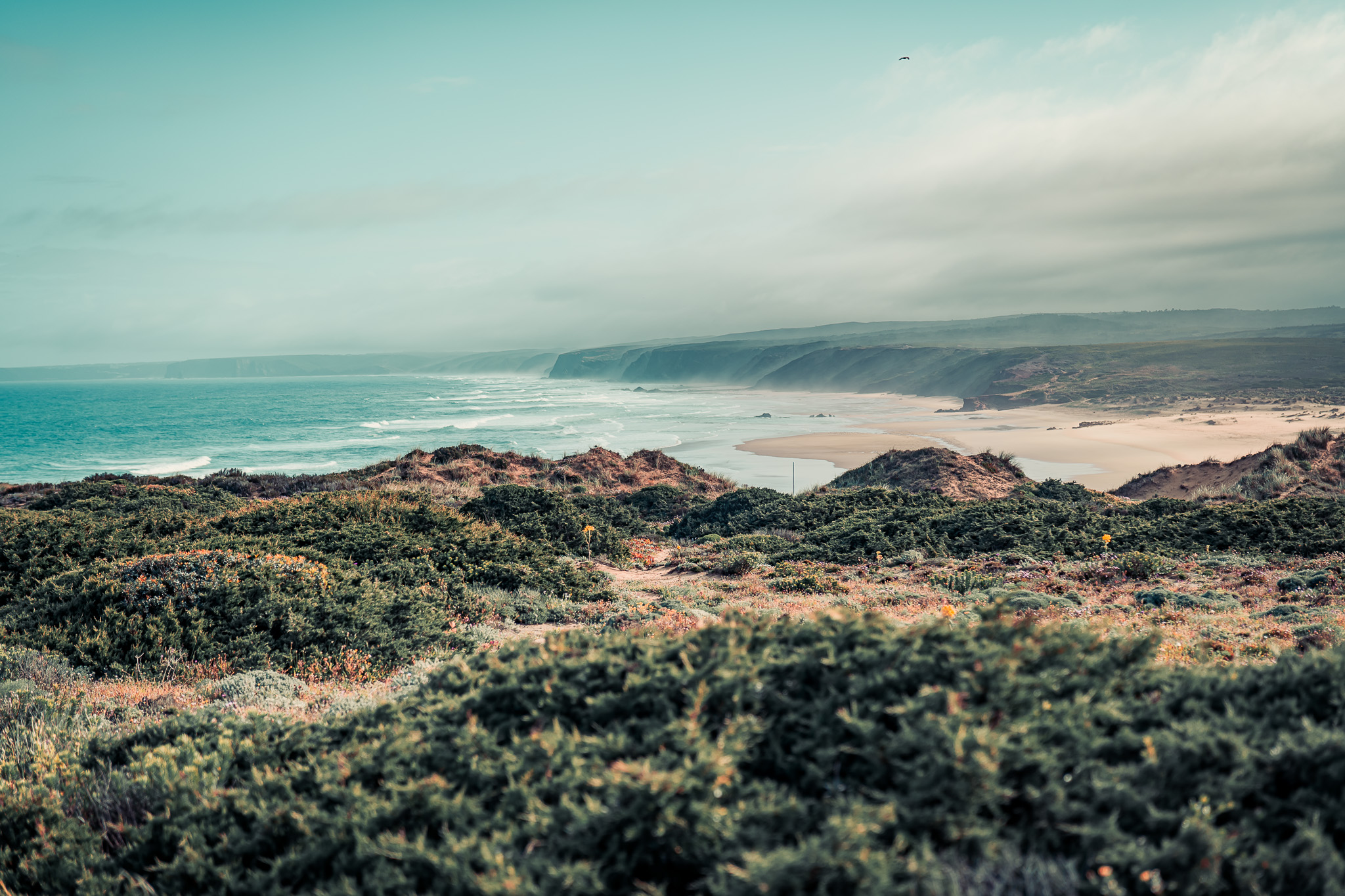
1. The Algarve, Portugal: our winter HQ
Obviously, we start with the one we know by heart (to the point of living there now). The Algarve is the safe bet for winter sun in a motorhome, and we’re clearly not the only ones who think so: that first year, we spent Christmas on a local aire, and I was gobsmacked to find it 95% full… packed with retirees who’d come down to overwinter. A whole little seasonal village, with its regulars.
Weather-wise, count on a mild 15 to 18°C. Honestly, it’s a joy: walking a deserted beach in late December, not to sunbathe but for the sea air and the light, in the dead of winter, is worth its weight in gold. The golden cliffs, the wild coves, Lagos, Faro or Tavira back to their calm selves… a completely different face. To dig deeper, we’ve got our guides to Lagos by camper van and exploring Faro.
2. Andalusia, Spain: sun and culture in spades
Andalusia literally glows in winter. With the Costa del Sol and its famous 320 days of sun a year, you sit comfortably between 15 and 20°C, plenty to live outdoors even in January. Malaga, Ronda, the white villages… a blend of culture and authenticity that’s far better savoured without the summer crush. To park up, the Camper Málaga Beach aire, 200m from the sand, is a reliable bet (hot water, easy emptying, sea right there).
And if you fancy something more urban, head for Seville. We’ve been several times, once slap in the middle of Christmas (yes, it’s entirely doable), and the architecture, the atmosphere, the sun-drenched lanes… it’s a favourite we’ve detailed in our guide to Seville by camper van. Just next door, the village of El Rocío is worth the detour too, all Andalusian wild-west.

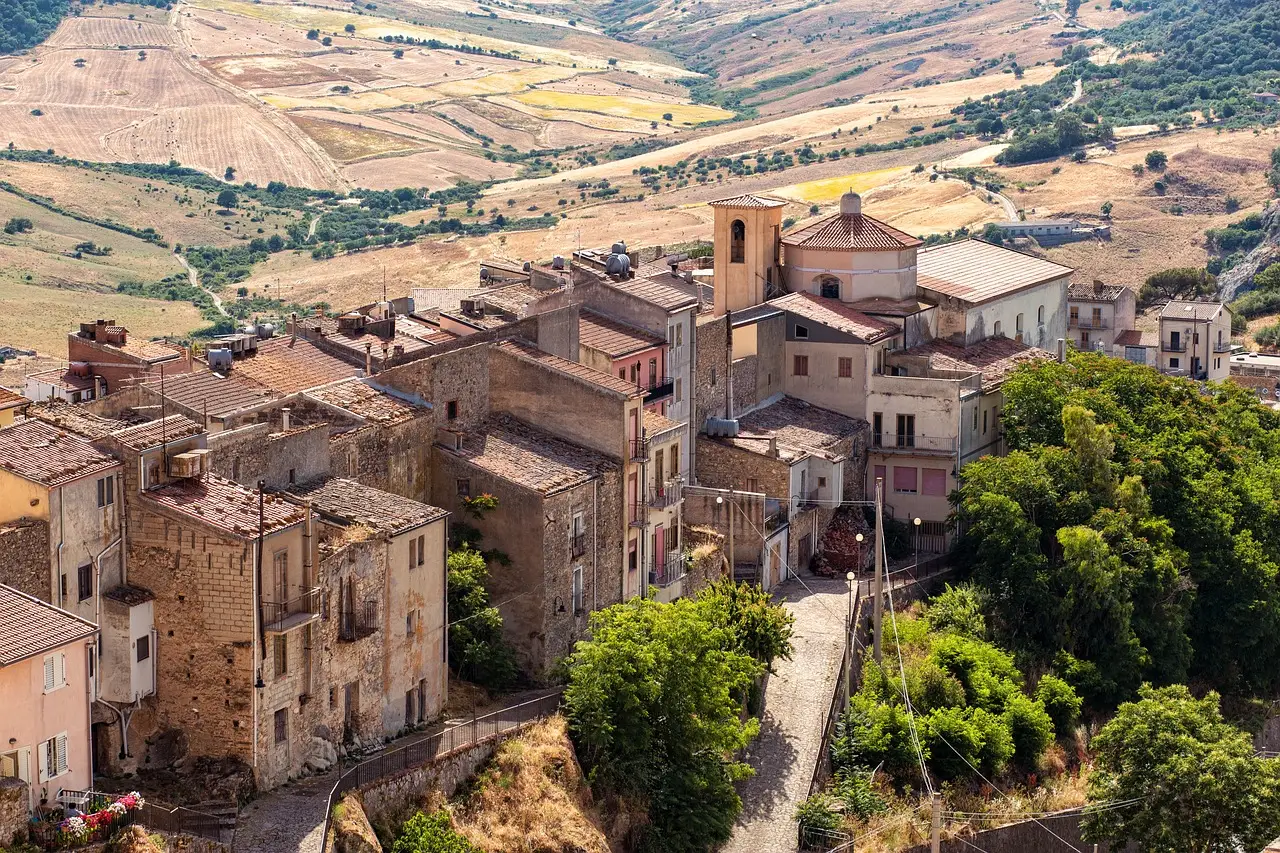
3. Sicily, Italy: adventure at the foot of the volcano
Right, cards on the table: Sicily we haven’t (yet) done in a van in winter. But it comes up so often among overwinterers that we couldn’t leave it out. What to know: the coast stays around 15-20°C, the Mediterranean climate is gentle, and Etna offers a wild contrast (snowy hikes up high in the morning, terrace in the sun in the afternoon). The natural thermal baths at Segesta, campsites with volcano views… it smells of easy adventure. One to note: ferries from mainland Italy need booking ahead in winter.
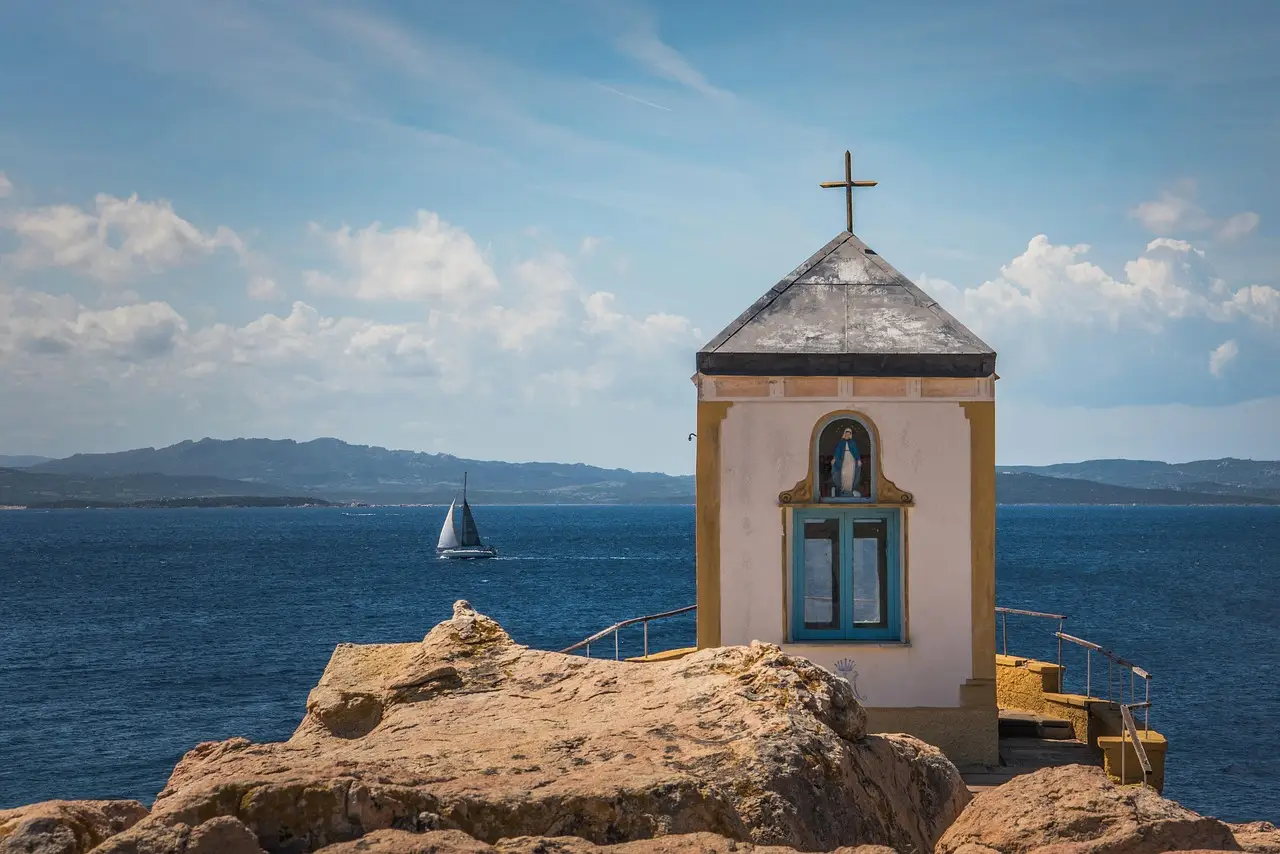
4. Sardinia, Italy: wild beauty
Same honesty: Sardinia is a recommendation, not first-hand experience for us. But on paper (and from the feedback we get), it has everything for winter: unspoilt, peaceful nature, deserted beaches, green hills, and less rain than other corners of the Med. Temperatures run a notch cooler (12-16°C), so think hiking and big open spaces rather than lounging. Budget-wise, we regularly read of campsites under €10/night off-season, which is genuinely reasonable.
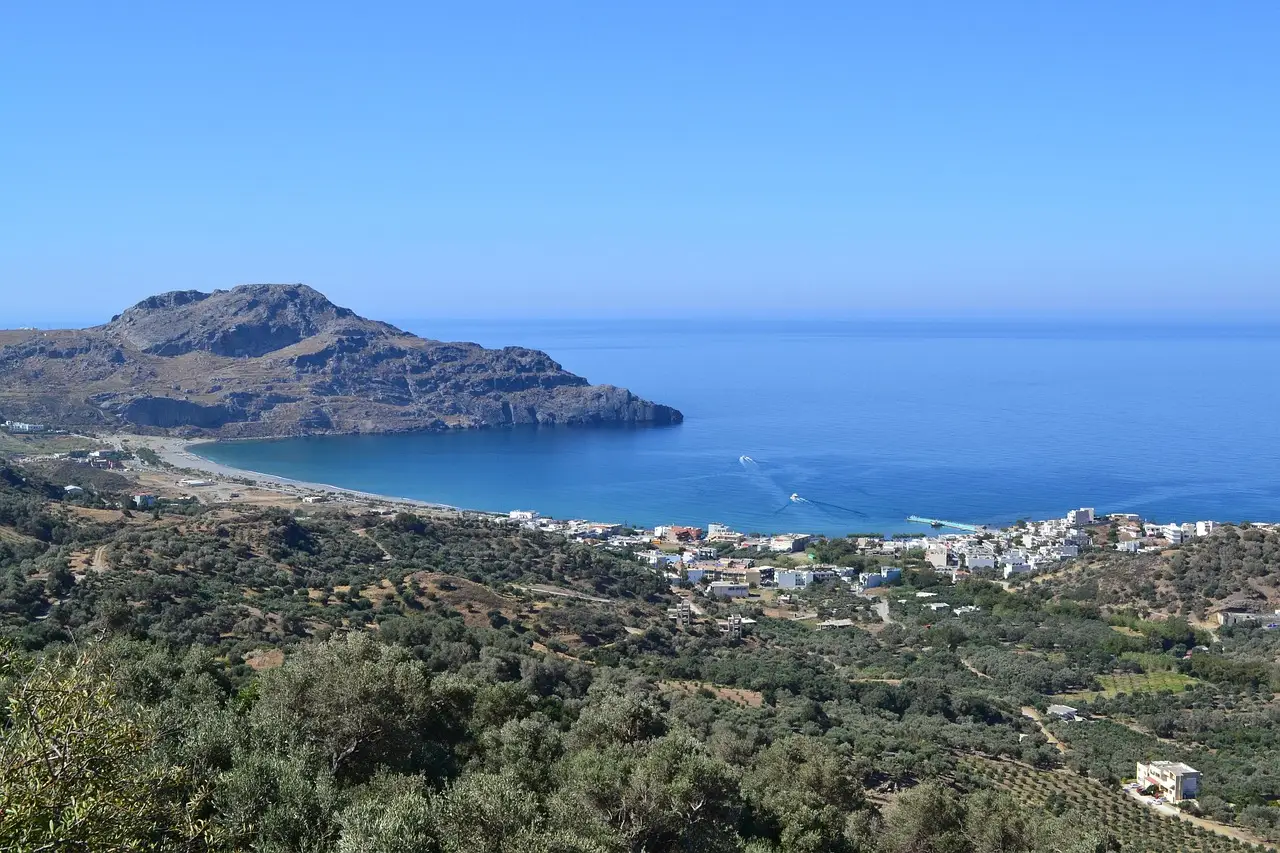
5. Crete, Greece: stepping out of time
Crete, again, we’ll level with you: we haven’t overwintered there. It’s the option for those who want to push far and slow. The climate is very mild, the culture immense (Knossos and the archaeological sites with not a tourist in sight must be something), but let’s be clear: you’re looking at 12-16°C rather than swimwear weather. And the ferry is serious business: from Piraeus, reckon on around ten hours, with reduced sailings in winter. So you book, and you don’t leave it to the last minute.
6. The Canary Islands, Spain: eternal spring
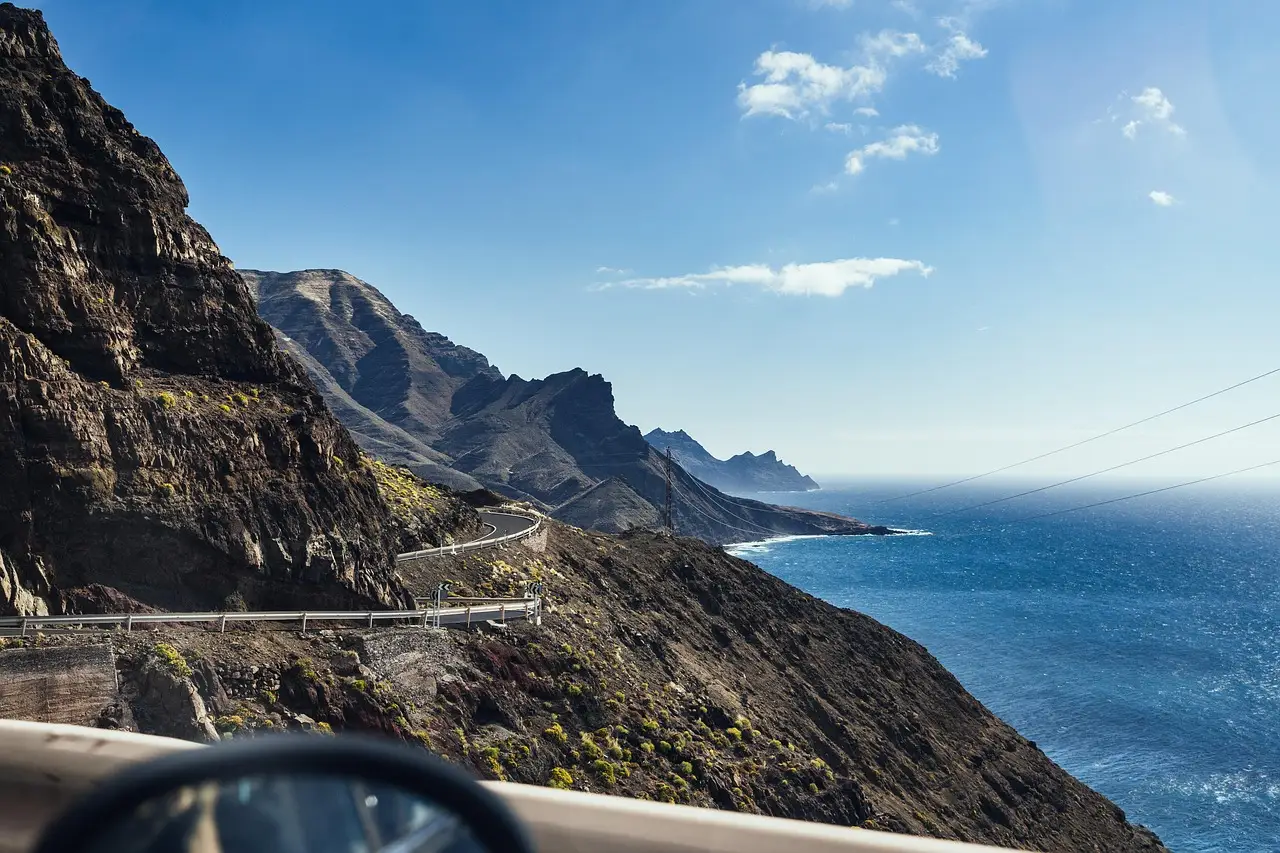
The Canaries are the holy grail of guaranteed warmth: 20 to 25°C all year, even in January. The catch, and it’s a big one, is getting the van there: the ferry from Cadiz costs around €170 and can take up to 40 hours to Tenerife. So plenty do the maths and go without the van, renting a vehicle on the spot (often cheaper, let’s be honest). Fuerteventura for surfing, the volcanic landscapes of Lanzarote… if you want sure-fire sun and the ferry logistics don’t scare you, it’s unbeatable.
7. Morocco: the real change of scene (and the real heat)
And we finish with the one we know well: Morocco. It’s not Europe, granted, but it’s so easy to drop down from Spain that we happily add it as a bonus. We’ve been twice, between October and December, and that’s where it got properly hot… In Marrakech we were warm both times, sweltering the first. Honest field note though: there’s a lot of wind, the days are hot but the nights cool, and in November you can hit a genuinely chilly day. Pack something for the evening even when the afternoon was a t-shirt job.
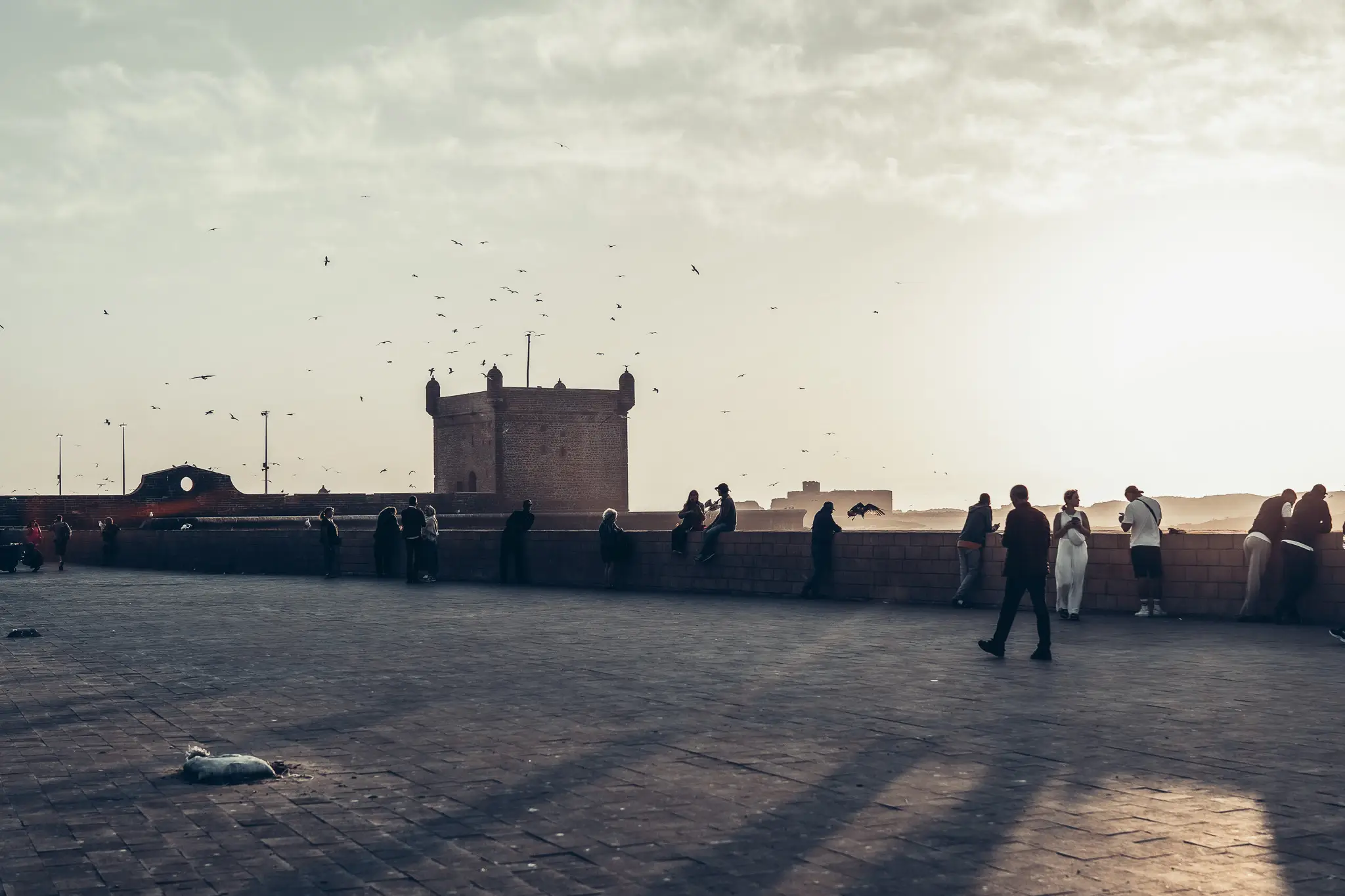
The change of scene, on the other hand, is total (and that’s exactly what makes it unforgettable). Souks, markets, narrow lanes, and an unbeatable budget: it’s not unusual to grab a stuffed sandwich for under two pounds. My soft spot goes to Essaouira, a wind-blown coastal town with great street food and a laid-back medina. Conversely, good luck parking a van near Marrakech: traffic and logistics quickly become a nightmare. One last, important tip: in Morocco, skip the wild spots and stick to campsites and proper aires, which are plentiful and cheap. To stay connected over there, we cover it all in our piece on getting a SIM card in Morocco.
The trap no one tells you: the apartment colder than the van
Right, brace yourself, because this is THE thing we wish someone had told us. That first year in the Algarve, we thought we were being clever: we’ll rent a little apartment for the winter and leave the van on a car park. Living the dream, eh… Except we had no idea the Algarve could be this damp in winter. The result: at 15°C indoors, we were frozen stiff. And we’re far from alone, some people genuinely end up unwell.
Why? Because the local buildings are designed to resist the summer heat: thick walls, no ventilation system, no air circulation, zero insulation against cold. The damp gets in and… stays. I couldn’t work out why every shop in the area was selling dehumidifiers by the pallet. No wonder. I understood very quickly (we even ended up asking the landlords, a bit deflated).
And the funniest part? I’d sometimes go and nap in the van in the afternoon, parked in full sun, because it was warmer than the flat. A bubble that catches the faintest ray versus old stone that holds the cold… no contest. So remember this paradox: if you’re worried about being cold in a van in the Algarve in winter, know that you’ll always be warmer inside it, in the sun, than in an old apartment. And if you do want to handle cold and damp in the van itself, we’ve put it all in our guide to living in a motorhome in winter.
Overwintering smart on-site: spots, atmosphere and budget
Once you’re down there, a few simple habits change everything. For spots, we run on Park4night and Caramaps, but in winter, always read the recent comments: some spots close, others turn to bogs after rain. In Spain, wild camping is banned, but parking stays tolerated as long as you don’t deploy an awning or levelling chocks (check town by town, Malaga for instance is strict). We’ve gathered our best corners in our piece on where to sleep on a road trip.
A word on the atmosphere, because it’s what surprises people most. On the comfort aires, you find that famous little world of retired overwinterers, British, German, Dutch, who cross paths year after year. But head to the surf spots and there’s not a retiree in sight: young, nomadic crowd, boards on the roof. Depending on the winter you’re after, you don’t aim for the same place. We rather like drifting between the two worlds (a bit of human warmth, a bit of ocean chill).
On budget, finally, overwintering south is mechanically cheaper: off-season markets and restaurants at gentle prices, and year-round campsites that slash their rates on long stays. A little tip, by the way, to save a few degrees (and therefore energy): park on the edge of a forest when you can. A CNRS study showed that forests hold 1 to 2°C more in winter. Always worth shaving off the heating.

How to live in a camper van during winter?
Navigating through winter in a van or motorhome combines the rigor of preparation with the raw beauty of the season. It’s a quest for balance between survival and enjoyment, requiring...
Read more
Refreshing your van or camper, how to avoid heat in Vanlife?
Heat can quickly turn your vanlife adventure into a nightmare. But with the right insulation techniques, thoughtful layout, and a few clever tips, you can keep your van pleasantly cool,...
Read more
Where to Sleep on a Road Trip
Ready to find the best places to park your van for the night? From wild nature spots to service areas, this article explores the top spots for a peaceful night's...
Read moreP.S.: while you’re planning your run south, just keep my biggest overwintering lesson in mind, the one that saved a fair few of our afternoons… a dehumidifier isn’t only useful in Algarve shops. Go on, point the van at the sun, it deserves it too.
Van life day to day, unfiltered
Two years of full-time van life, and the Algarve as our base ever since. We still hit the road, by van or otherwise, and we write up what we find along the way. An email when we have something to say, no more.
Ce que vous souhaitez recevoir :